A photographic record of Gunkanjima in 1997,
years before public tours opened the island to visitors.
Introduction
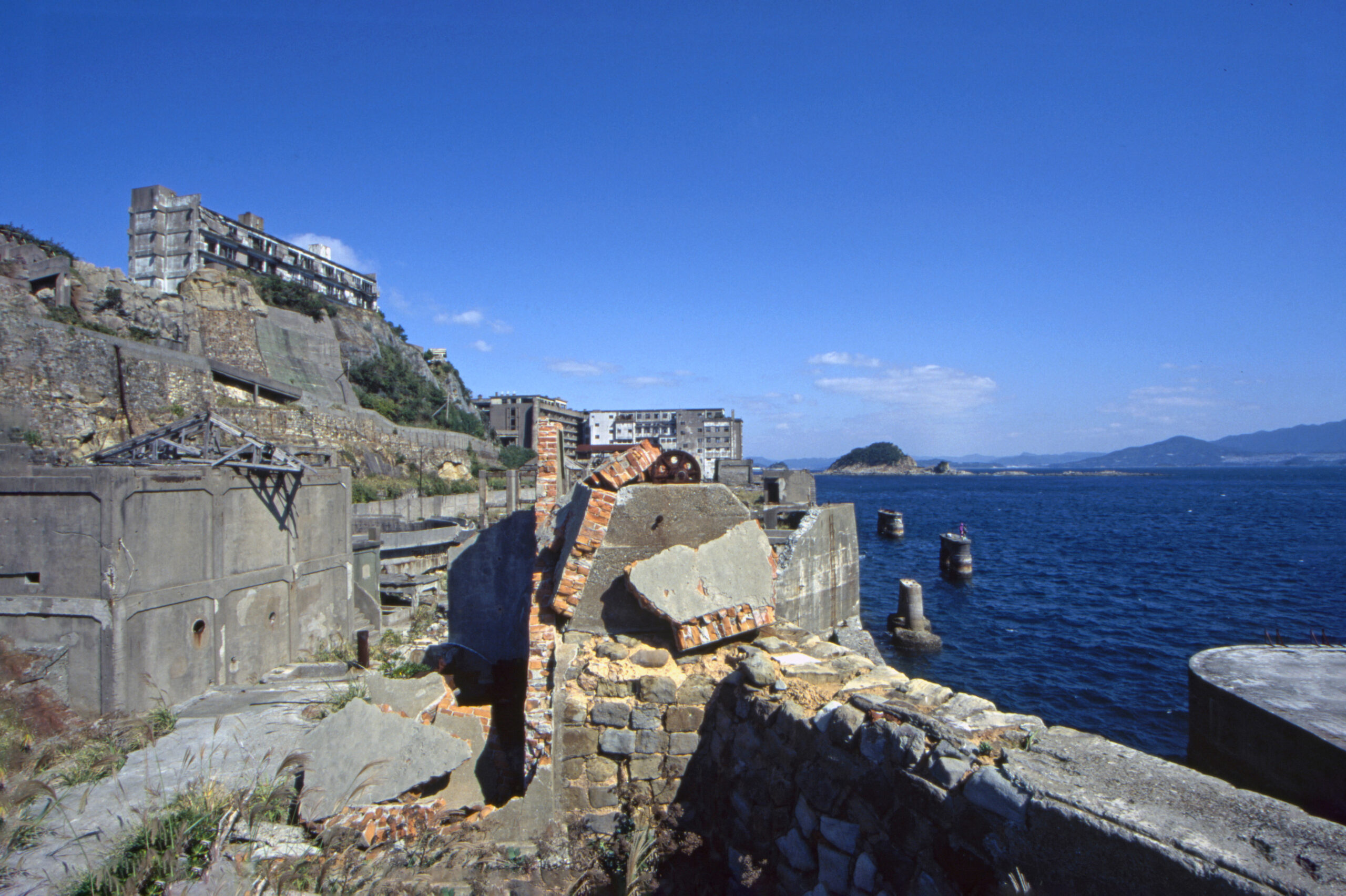
These photographs were taken in 1997, more than twenty years after the coal mine had closed and the island had fallen silent.
No one lived here anymore.
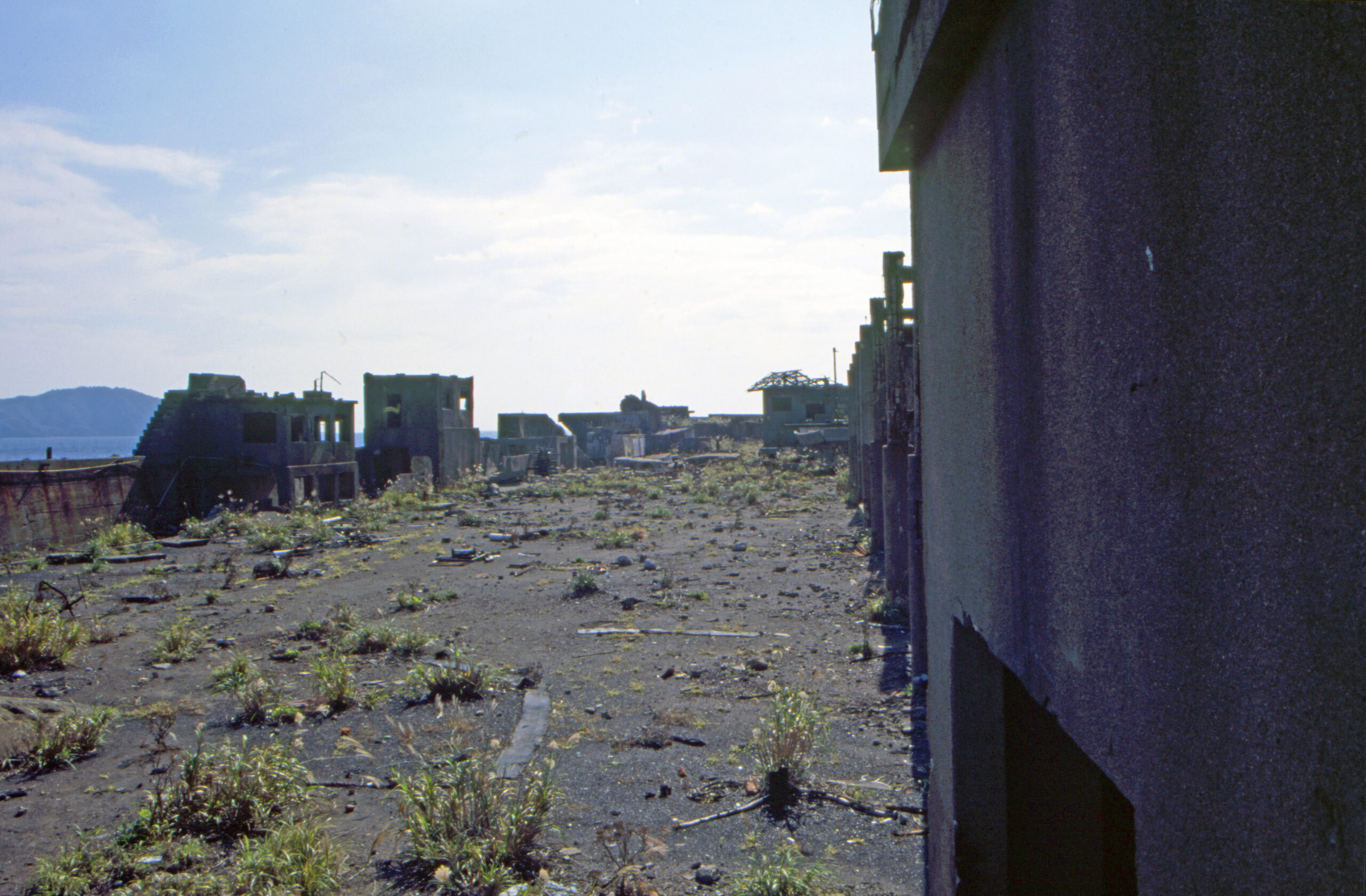
Concrete ruins stood against the sea. The only sounds were the wind and the waves.
Yet once I stepped onto the island, traces of everyday life were everywhere—as if the residents had only recently walked away.
Gunkanjima was no longer a functioning city, but its memory remained remarkably vivid.
The Island Before Tourism
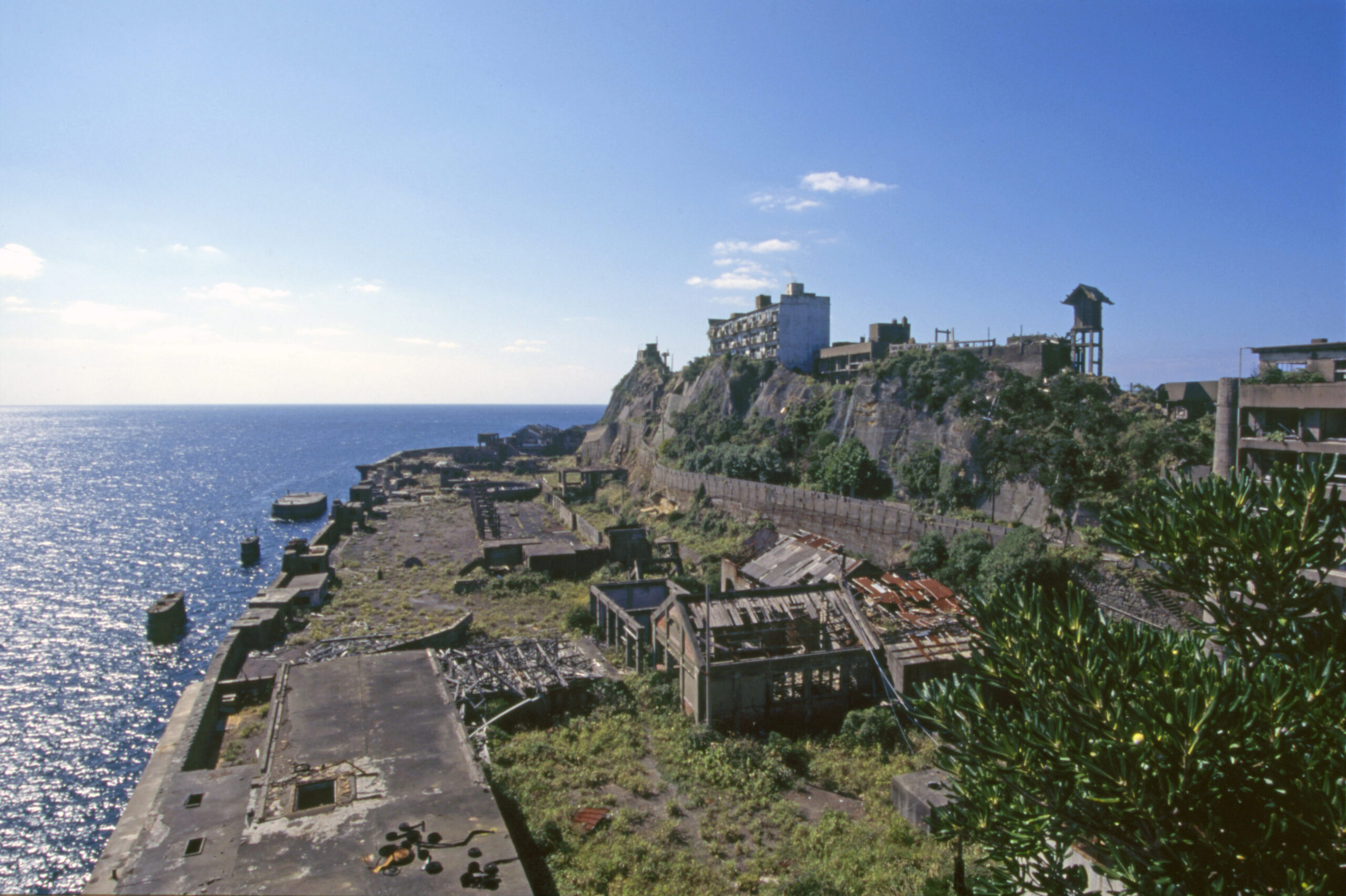
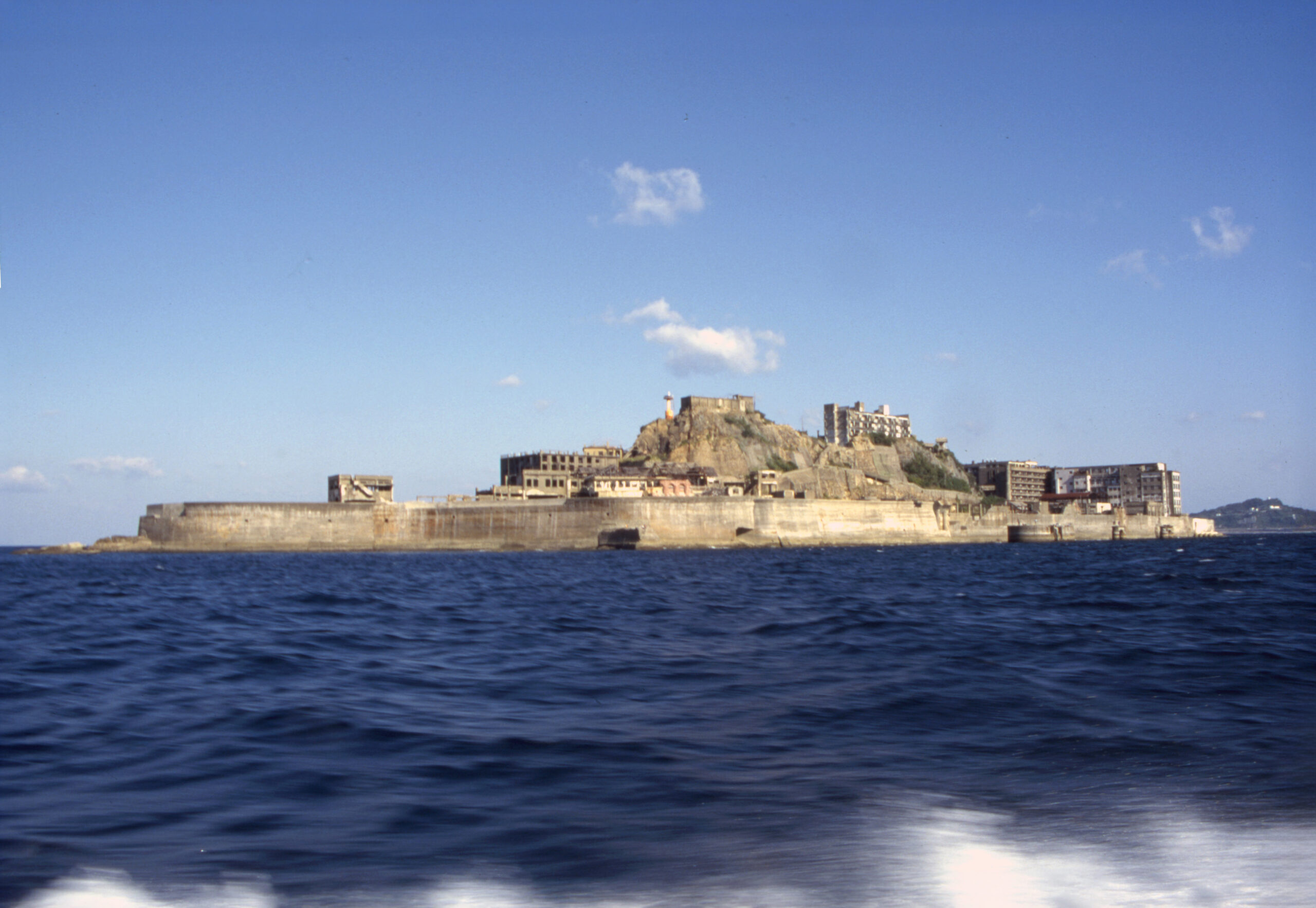
Gunkanjima is surrounded by the sea on every side.
An isolated island far from the mainland.
The calm waters were crossed only by small fishing boats, with the coastline of Nagasaki visible in the distance.
At the time, it was impossible to imagine that this abandoned island would one day become a UNESCO World Heritage Site, or that visitors from around the world would return to walk its streets.
It was simply a place of extraordinary silence.
Why I Went There
I had known the name Gunkanjima for years.
Its silhouette, resembling a battleship cutting through the sea, had always fascinated me.
During its peak in the 1960s, more than 5,000 people lived on this tiny island, making it one of the most densely populated places in the world.
What kind of lives had they built here?
Standing on the opposite shore of Nagasaki, I often found myself wondering what remained beyond the seawall.
Eventually, curiosity led me there.
Across the Sea
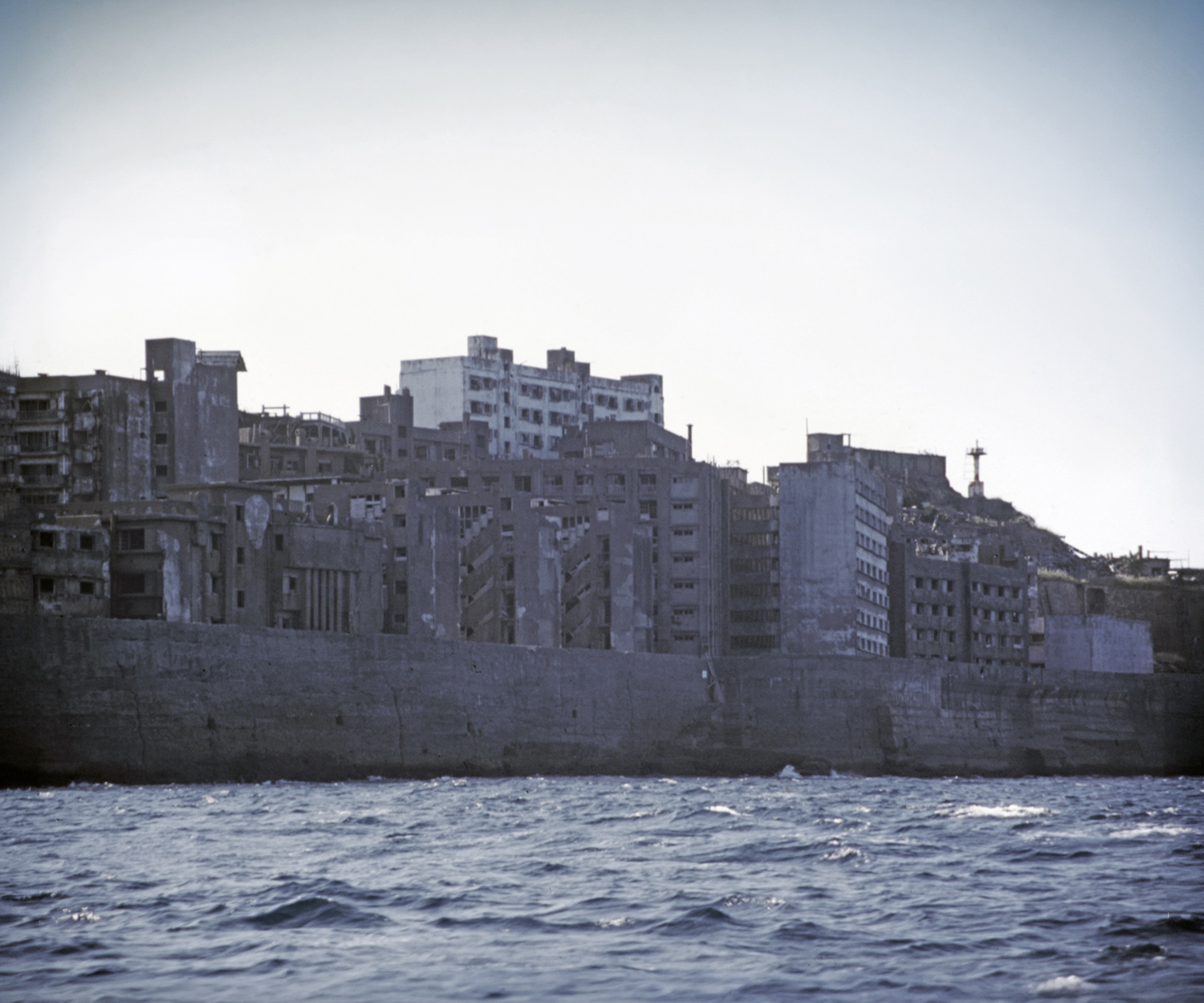
As our boat approached the island, the familiar silhouette slowly transformed into something entirely different.
The abandoned buildings grew larger with every passing minute.
Concrete towers filled the horizon.
It was unlike anything I had ever seen.
It was not simply an island.
It was a city.
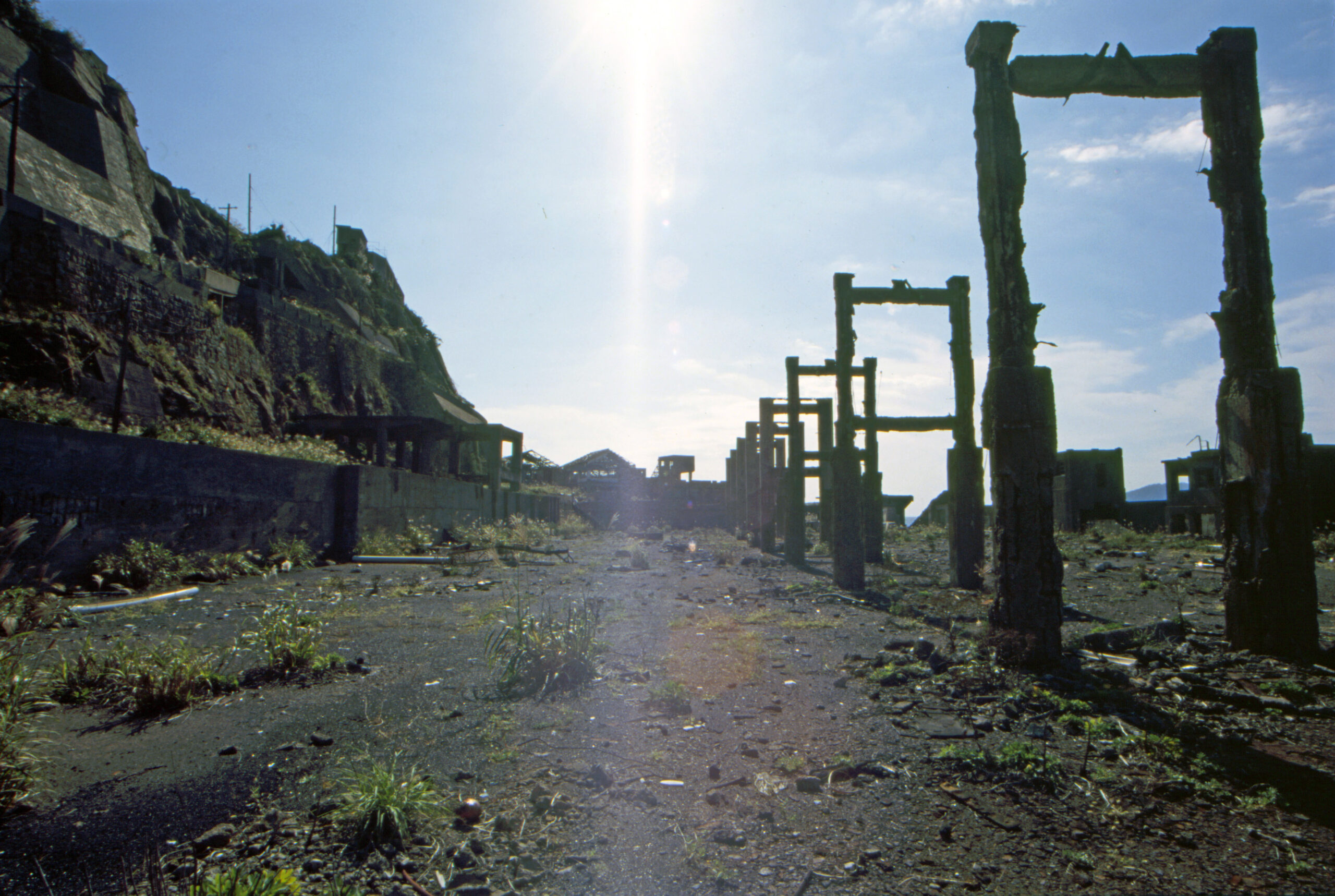
The Mining District
The first structures that greeted me were the remains of the coal mining facilities.
The machinery that once powered the island had long disappeared, leaving only weathered brick foundations and fragments of industrial architecture.
A massive conveyor structure still stretched across the site, silently reminding visitors that this entire island had once existed because of coal.
Walking through the ruins felt almost like following the long approach to an ancient shrine.
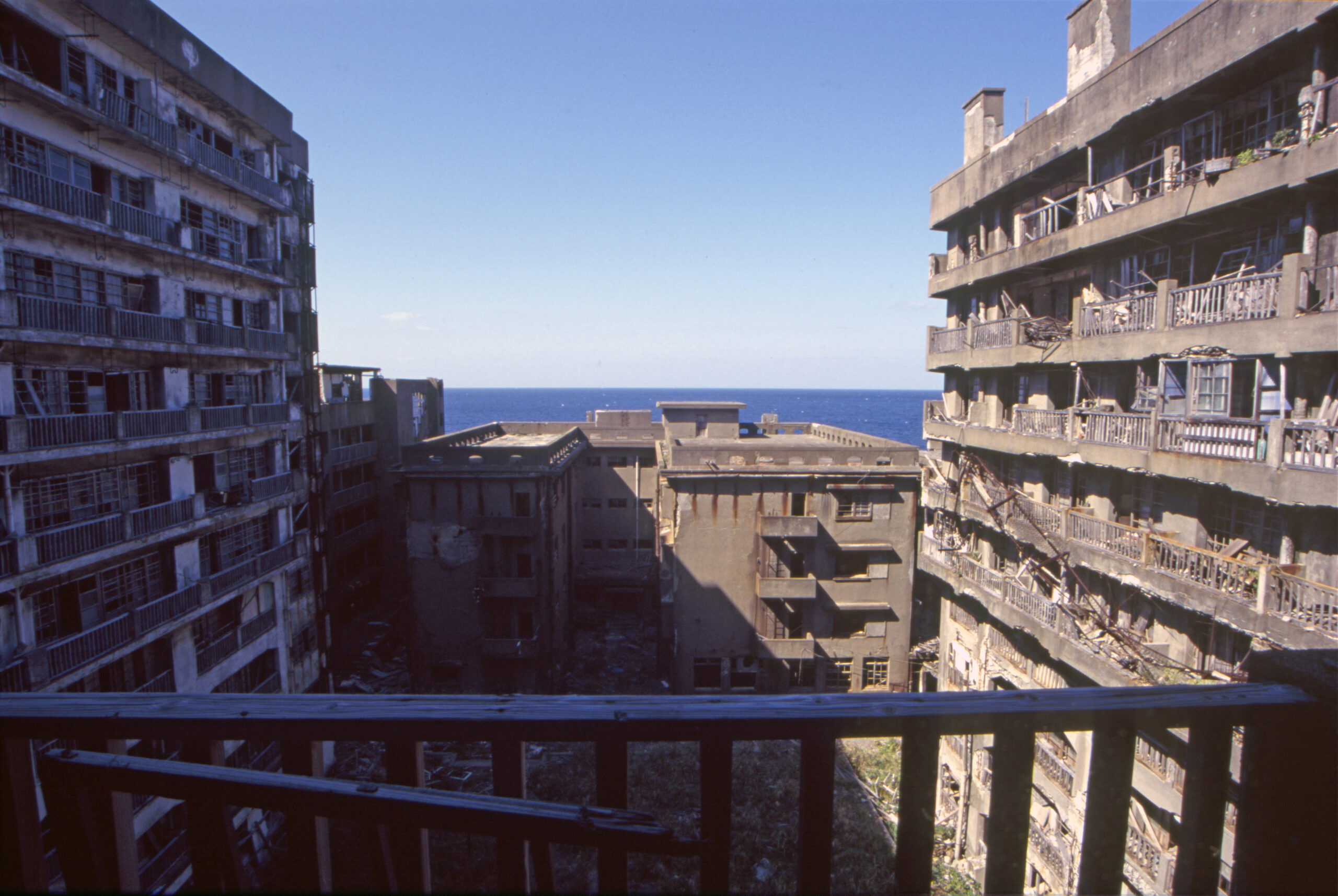
Residential Blocks
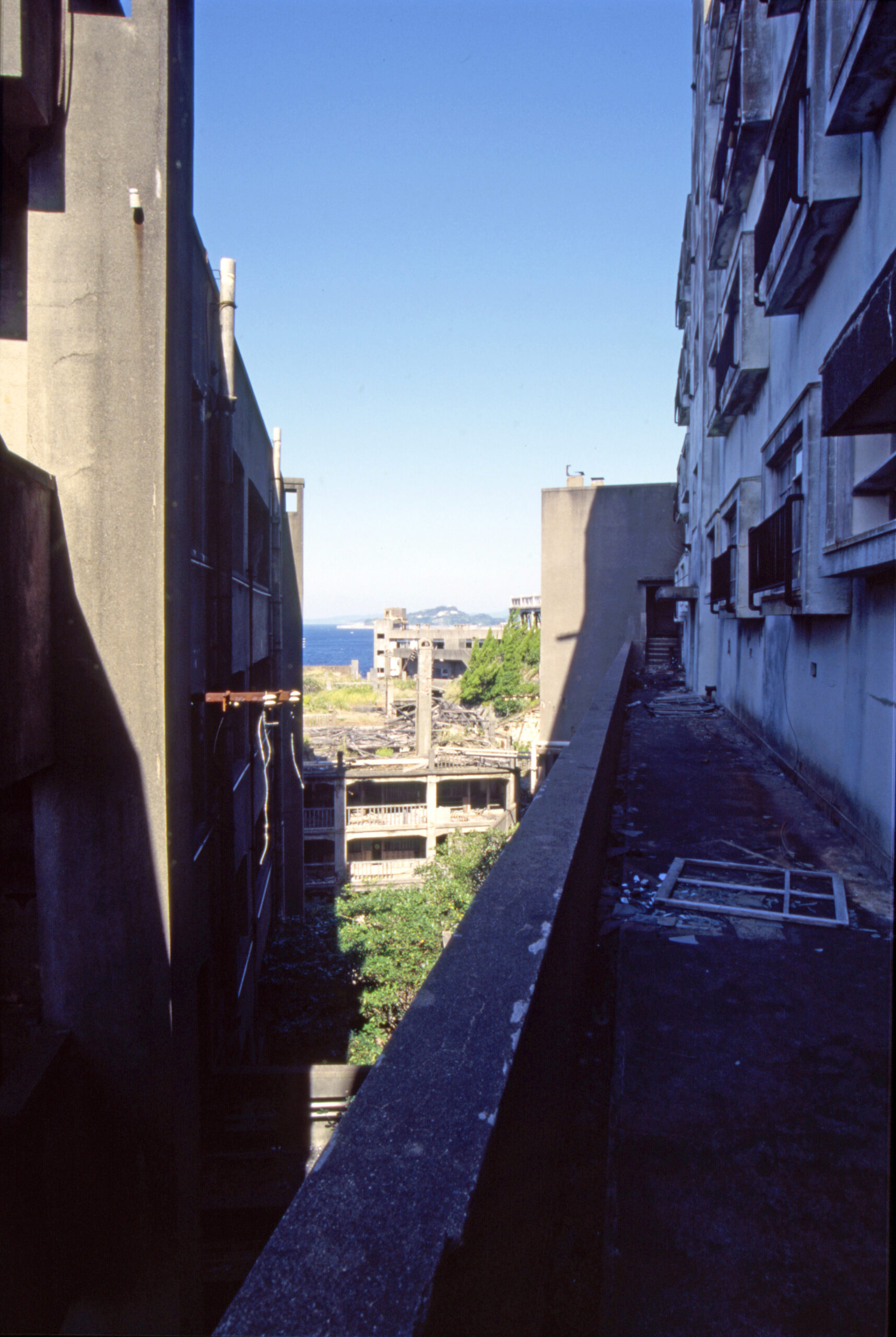
The residential district was unlike any city I had ever visited.
High-rise apartment buildings stood beside smaller houses and low-rise residences, all carefully arranged to fit within the island's limited space.
Rooftops had been transformed into small parks and gardens.
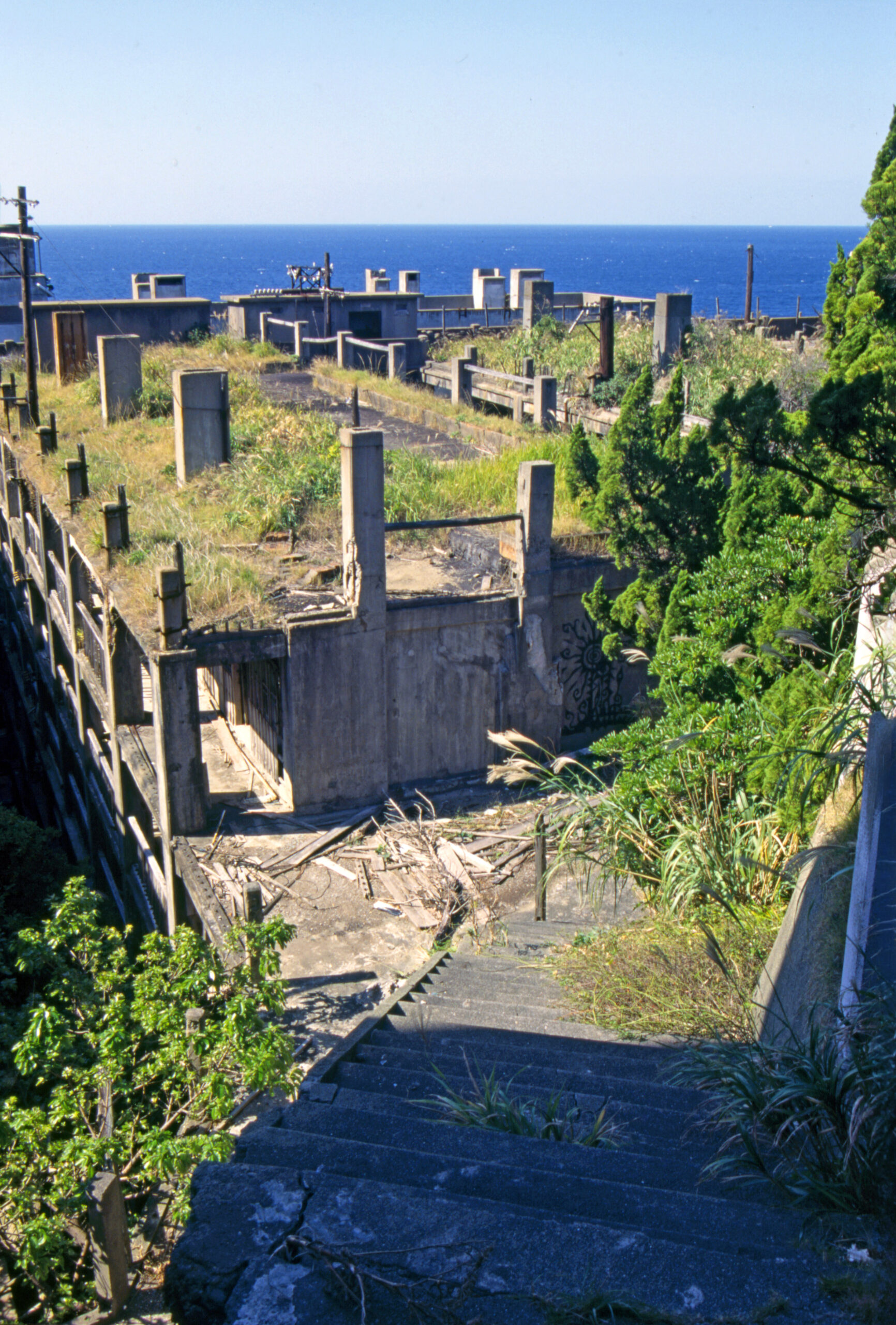
As the population grew, the island continued to build upward rather than outward.
Even after decades of abandonment, the layered streets and interconnected buildings remained fascinating.
It was easy to imagine children turning the entire island into one enormous playground.
School
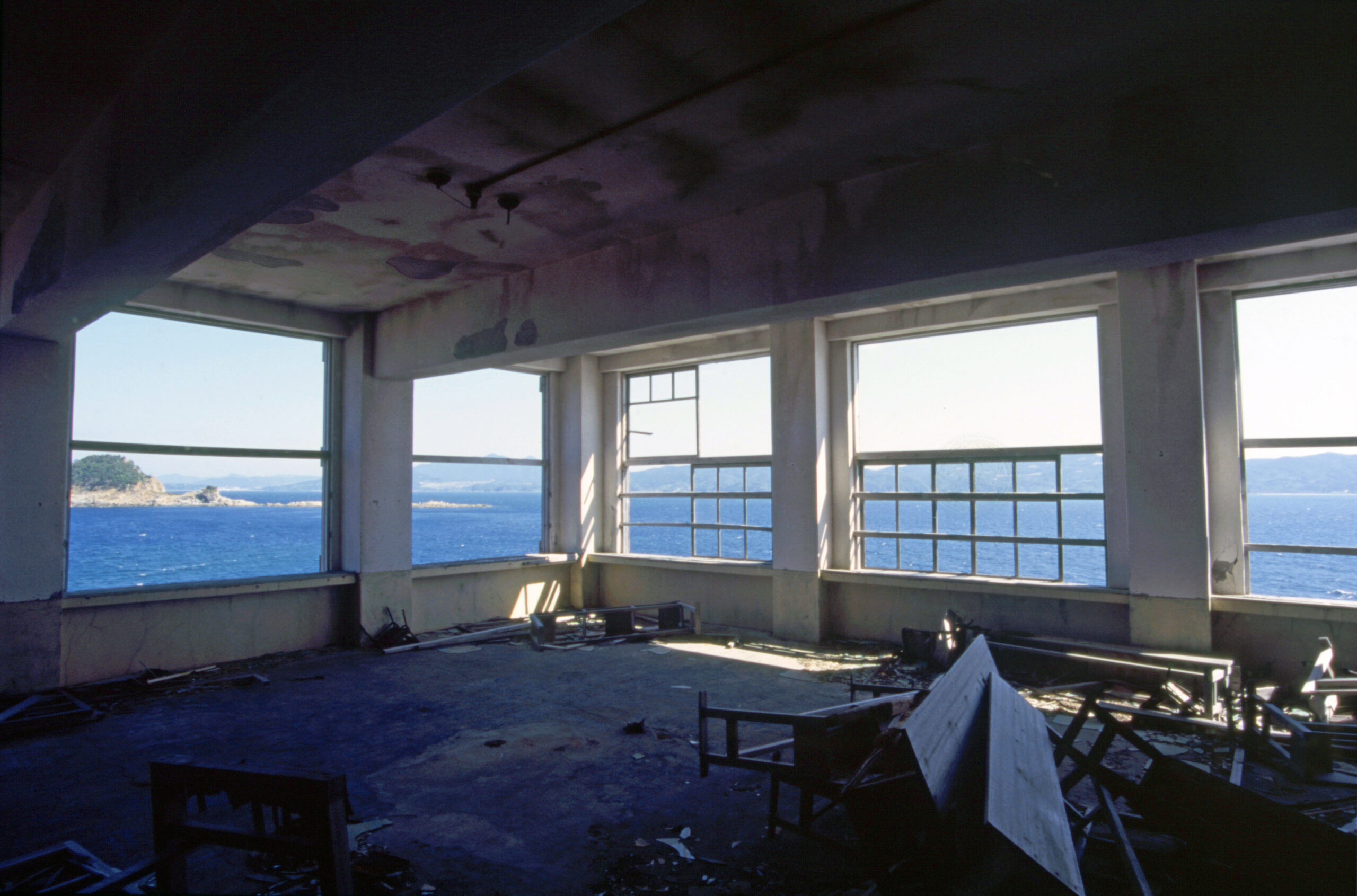
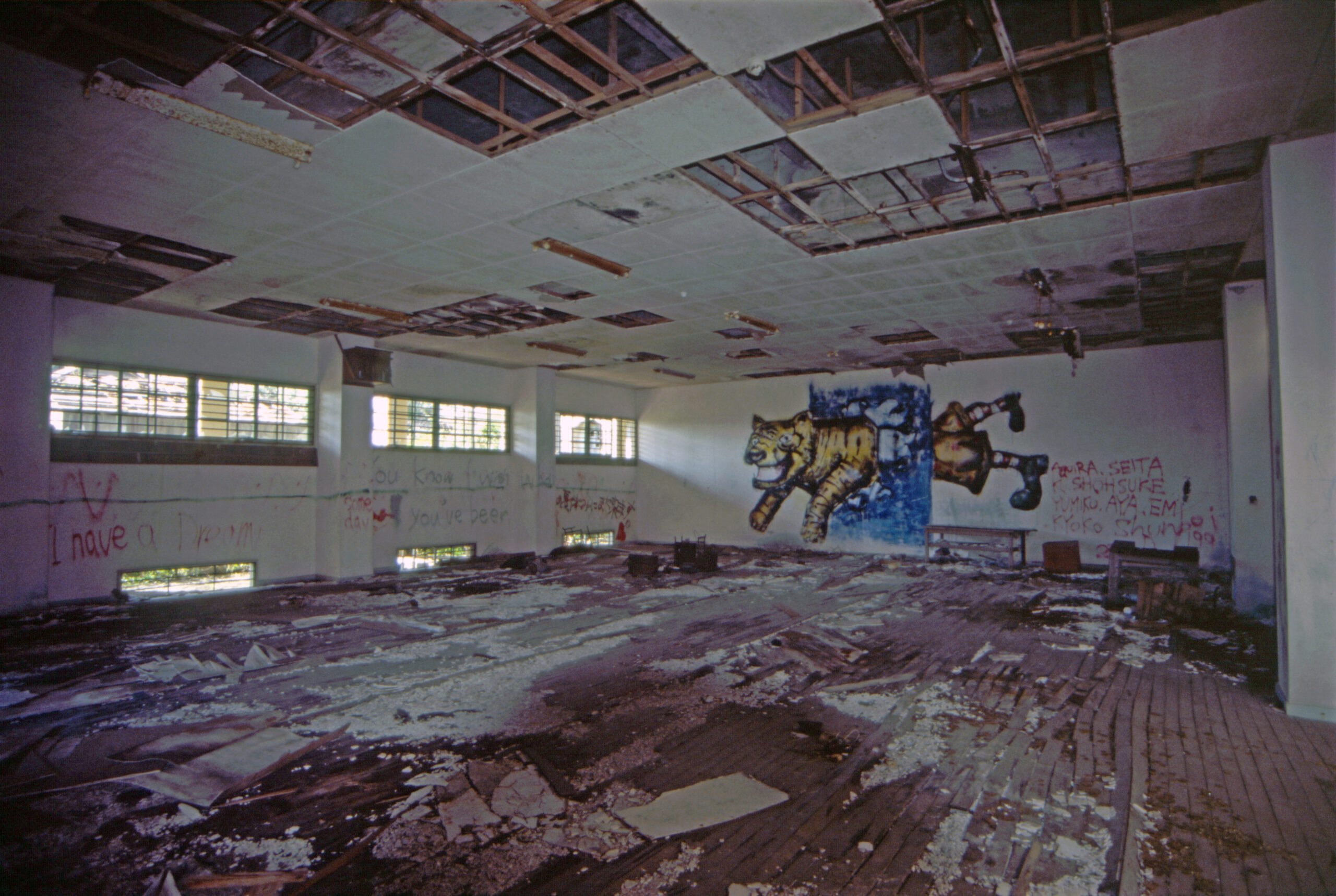
The large school building stood as one of the island's strongest reminders that families had once lived here.
Completed in 1958, the seven-story reinforced concrete school welcomed more than one thousand students during the island's busiest years.
Today, the playground is silent.
Standing there, I found myself wondering what lessons had been taught, what games had been played, and how daily life once unfolded.
As the sea breeze drifted through the empty classrooms, it almost felt as though the voices of the children still lingered.
Toward the Edge
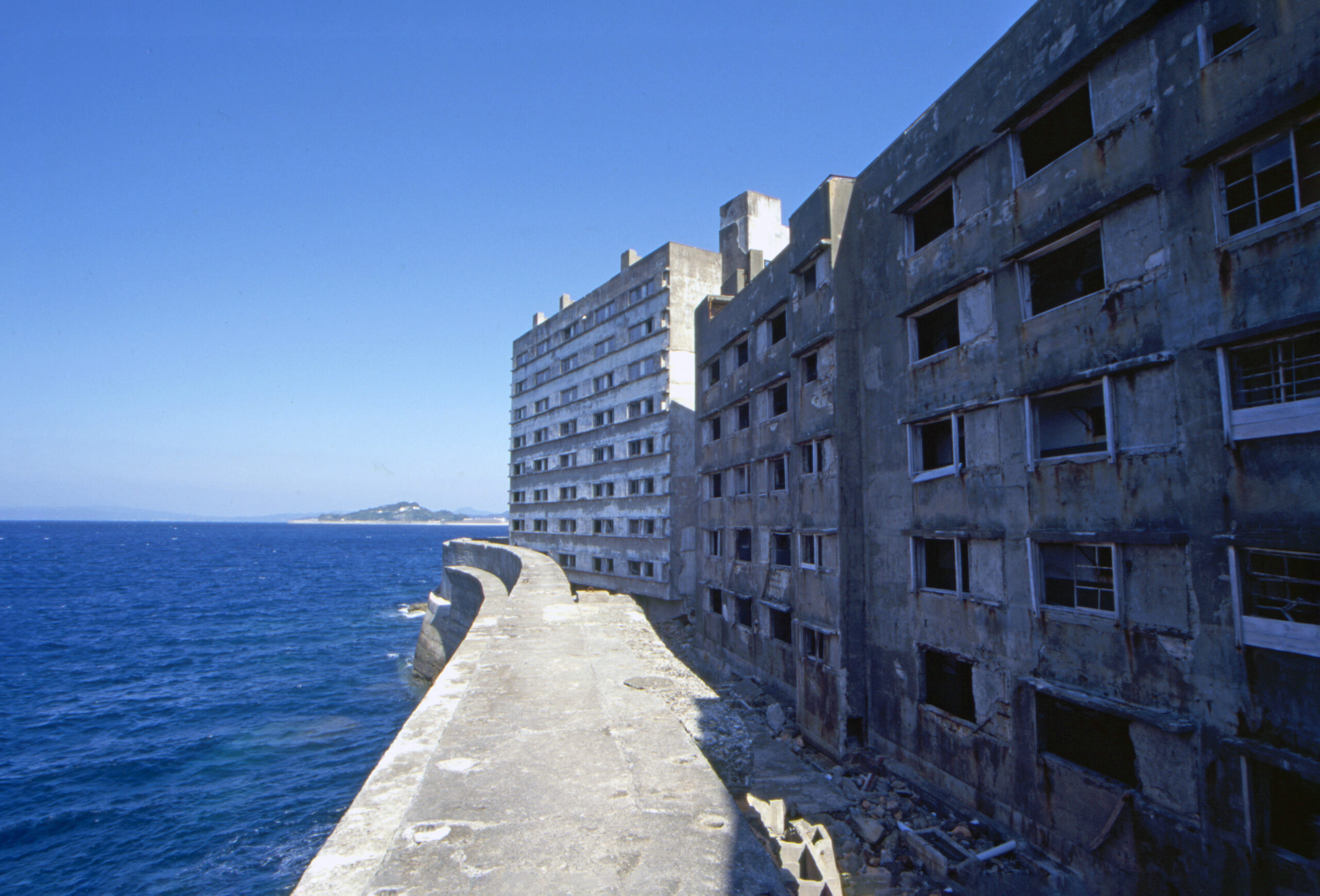
Massive seawalls surround the island, protecting it from powerful waves and seasonal typhoons.
They also separate the island from the outside world.
Walking along these walls, I felt as though I were standing on the deck of a battleship slowly crossing the open sea.
It became clear why this small island had earned the name "Gunkanjima" — Battleship Island.
What Remains
Since these photographs were taken, many of the buildings have deteriorated even further.
Yet what remains is more than concrete and steel.
This island was once home to thousands of people who worked, studied, raised families, and built a unique community in one of Japan's most extraordinary places.
The buildings may continue to disappear with time.
But the memory of the people who lived here should not.
These photographs are not simply a record of abandoned ruins.
They preserve the memory of a city that once lived.
Archive Information
| Location | Hashima Island (Gunkanjima), Nagasaki, Japan |
| Photographed | 1997 |
| Collection | 115 photographs |
| Published | 2026 |
| Series | PATHS OF JAPAN Vol.2 |
Related Collection
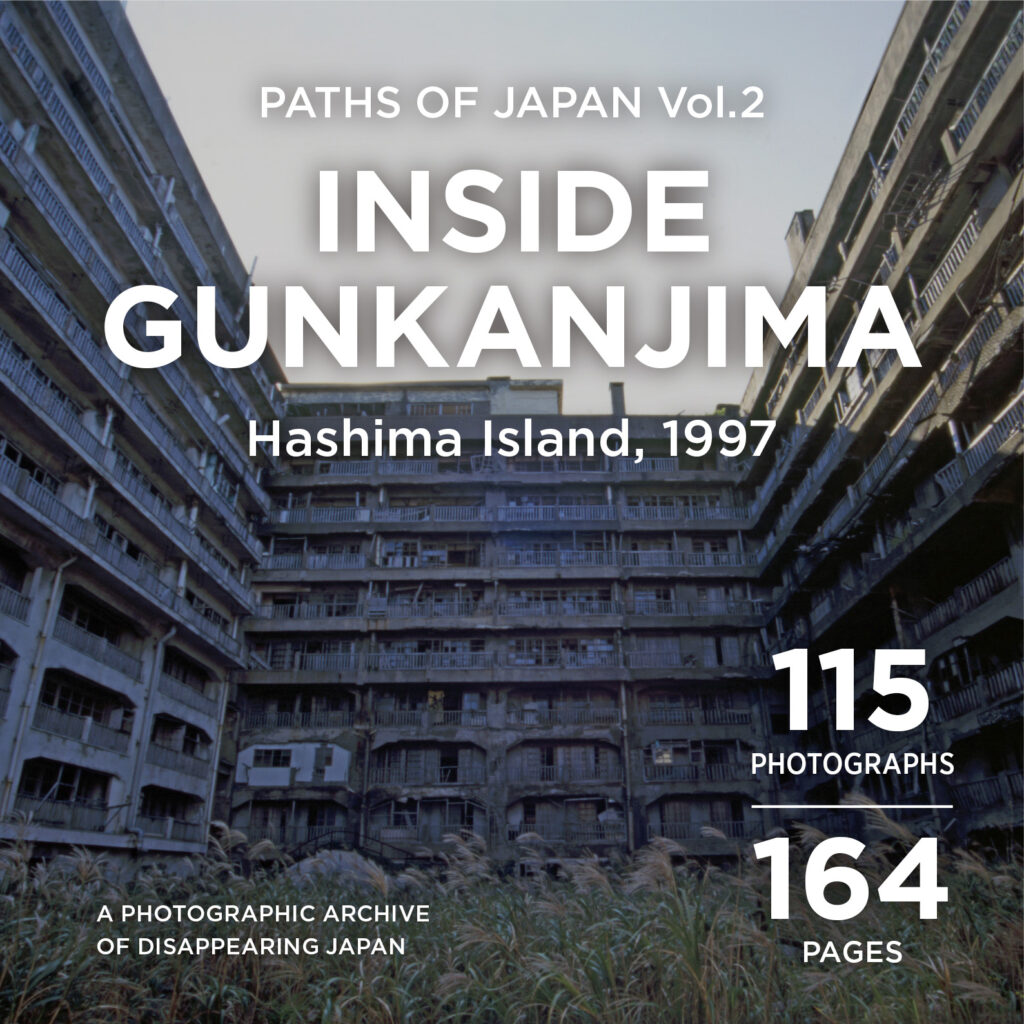
Paths of Japan Vol.2
INSIDE GUNKANJIMA
Explore the complete photographic archive of Gunkanjima before public tours began.