A Journey Through Northern Japan, Four Years After the Great East Japan Earthquake
A Journey Back
On March 11, 2011, a massive tsunami struck the northeastern coast of Japan.
The images broadcast around the world were unlike anything I had ever seen. Entire towns disappeared beneath the waves, and even hundreds of kilometers away, daily life around Tokyo was profoundly affected.
For months, news about the disaster filled newspapers and television reports. Even four years later, reconstruction remained an ongoing story.
I found myself wondering what had become of those towns.
How much had been rebuilt?
What had changed—and what had not?
In the summer of 2015, I returned to Tohoku to find the answers for myself.
Memories of Utatsu
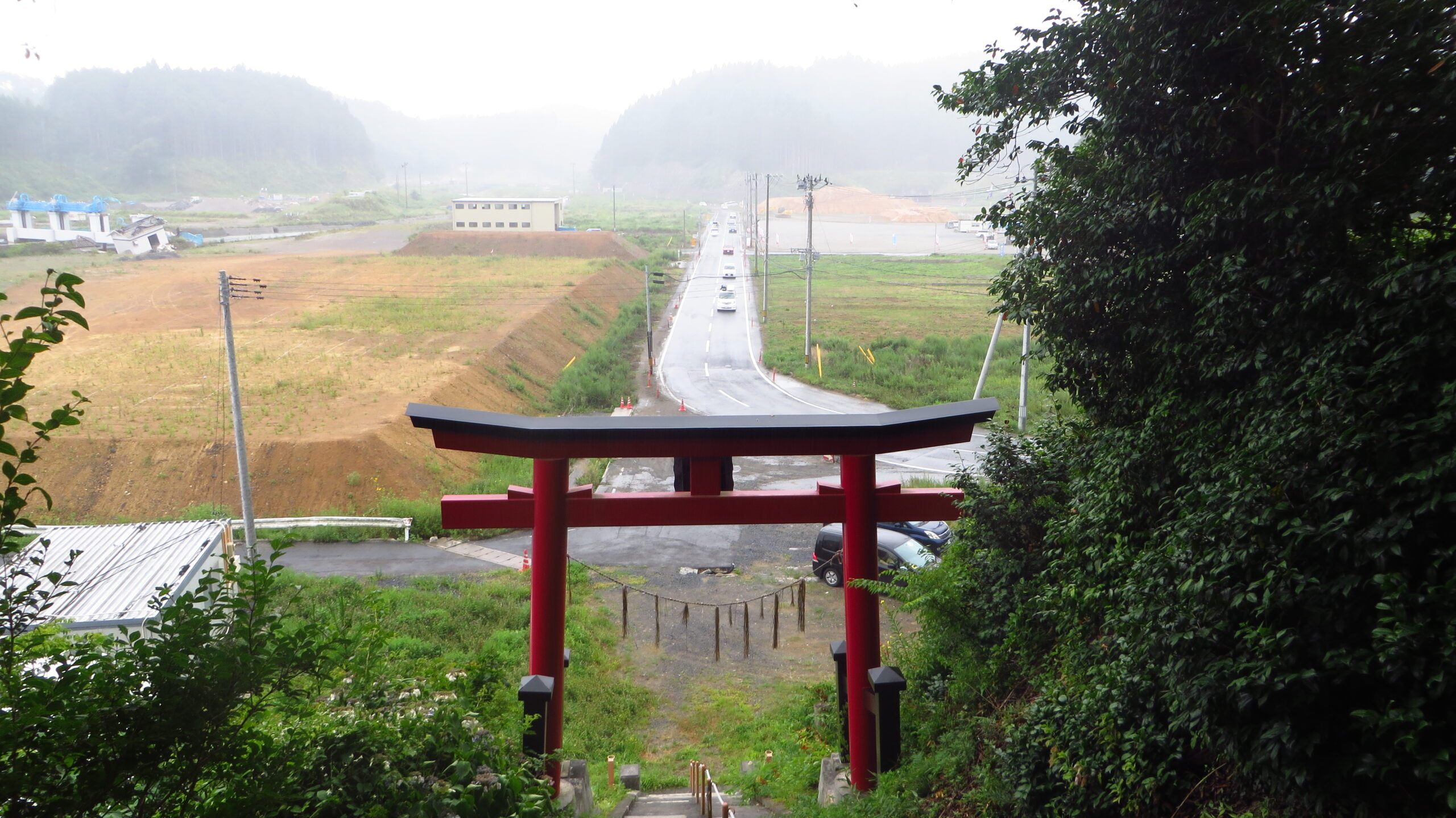
Tohoku had always been one of my favorite regions in Japan.
Two years before the earthquake, I traveled through Miyagi, Iwate, Aomori, Akita, and Yamagata, discovering each region's unique landscapes, traditions, and communities. It became one of the most memorable journeys I had ever taken.
When the earthquake and tsunami struck, those memories became inseparable from the devastating news.
I kept asking myself if there was anything I could do.
That thought eventually led me to Utatsu, where I spent a week volunteering in the aftermath of the disaster.
The scenes I witnessed there were beyond words.
Four years later, I returned once again.
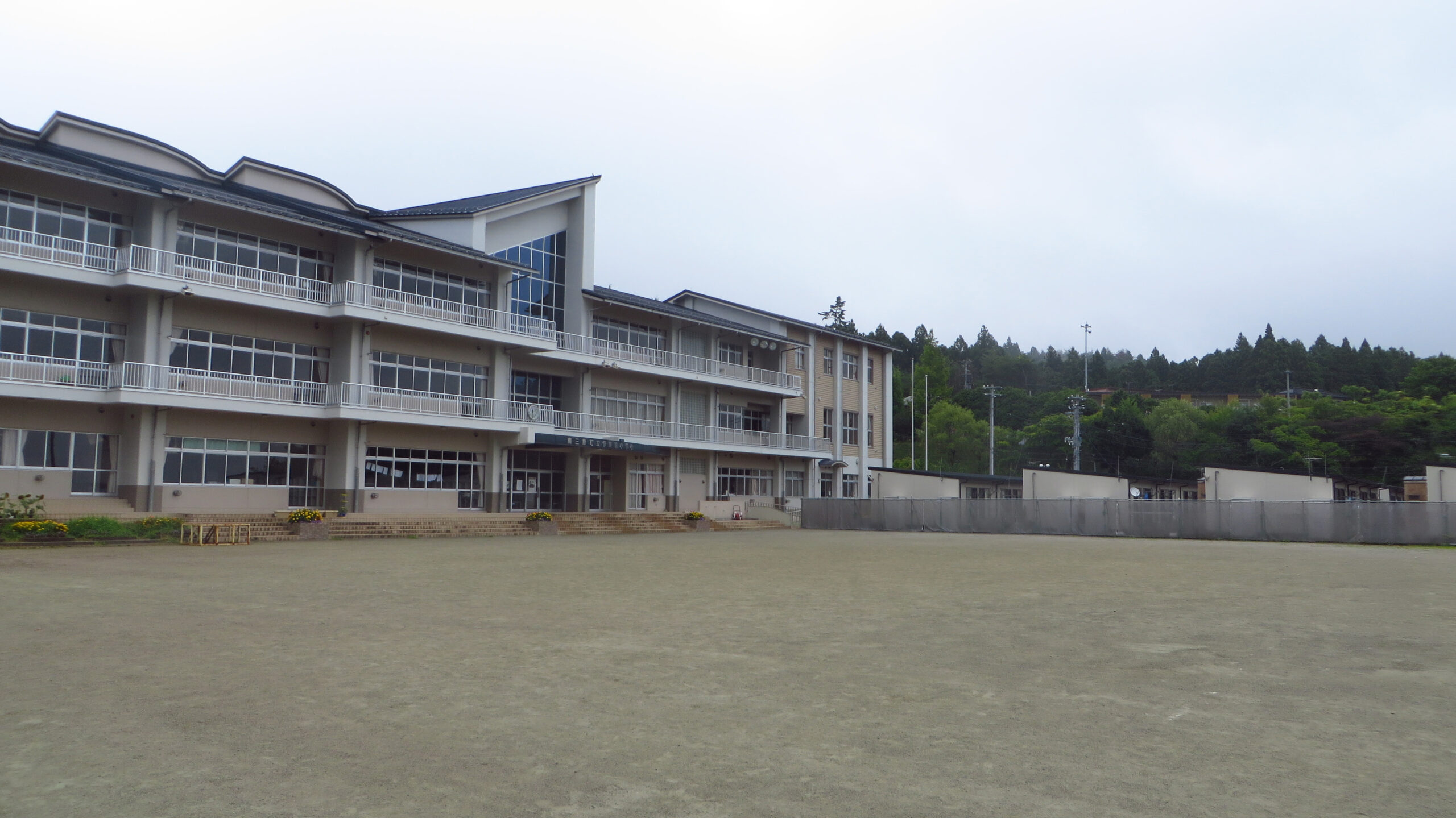
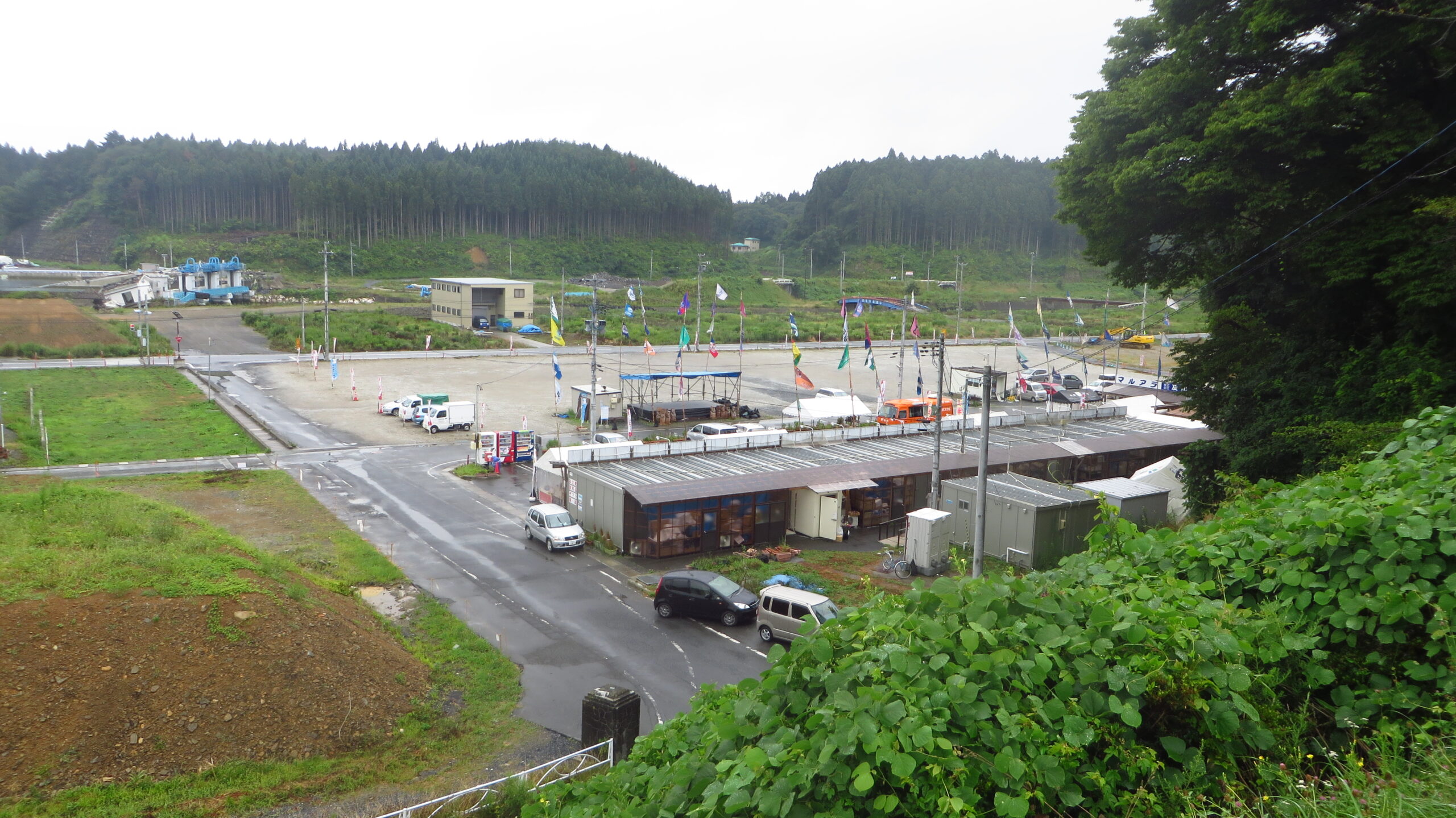
The elementary school that had served as an evacuation center and community kitchen still stood overlooking the town. Temporary housing remained on the school grounds.
The disaster was not over.
The landscape below had changed dramatically. The mountains of debris had disappeared, replaced by open land and ongoing reconstruction.
Standing there once more, I wondered whether the town that had once existed would ever return.
Along the Coast
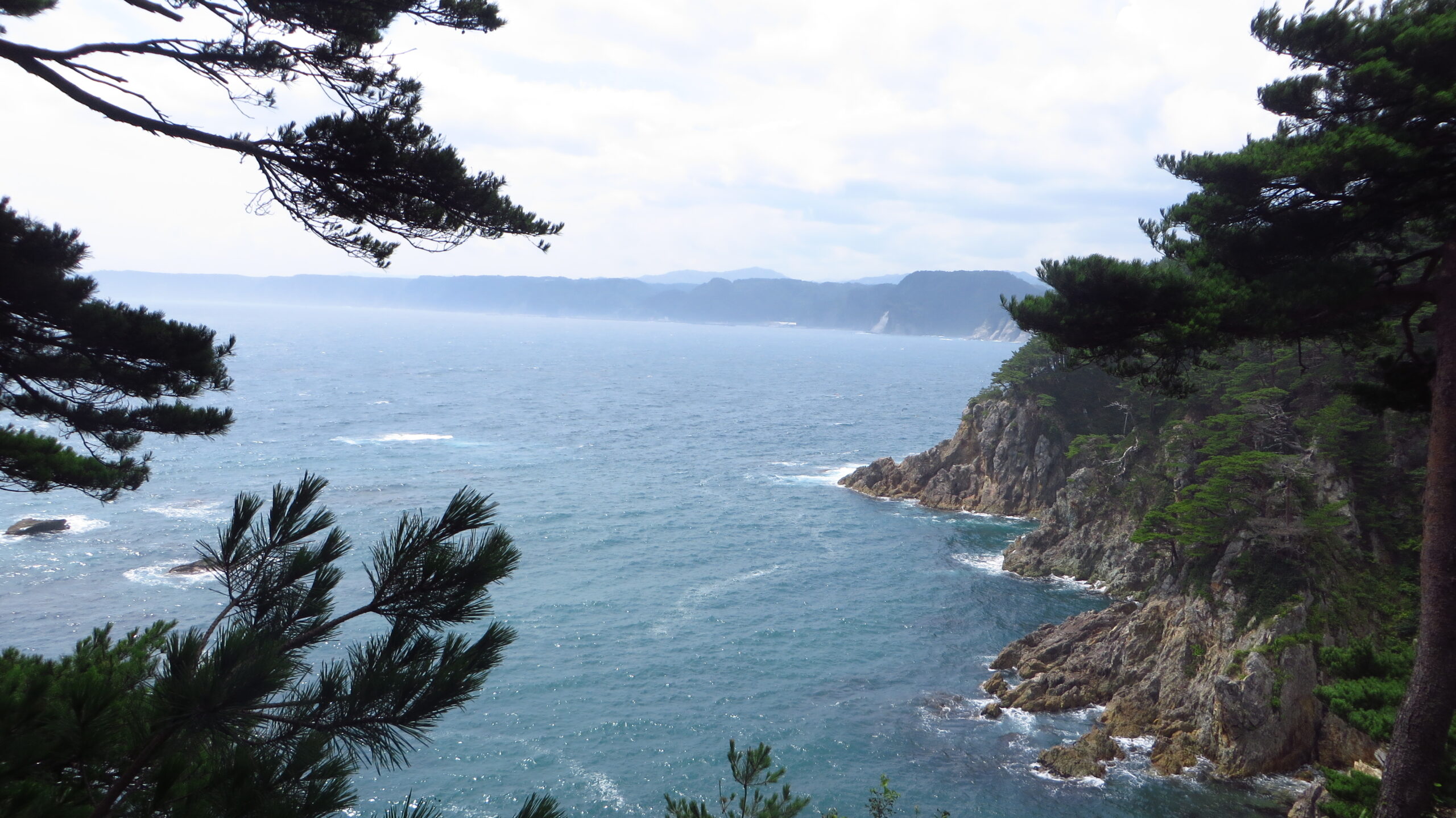
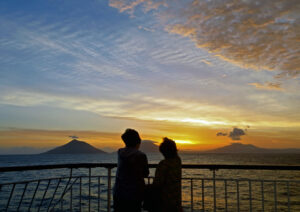
The Sanriku Coast is one of Japan's most dramatic shorelines.
Steep cliffs, rugged rock formations, quiet fishing villages, and the vast Pacific Ocean create scenery of remarkable beauty.
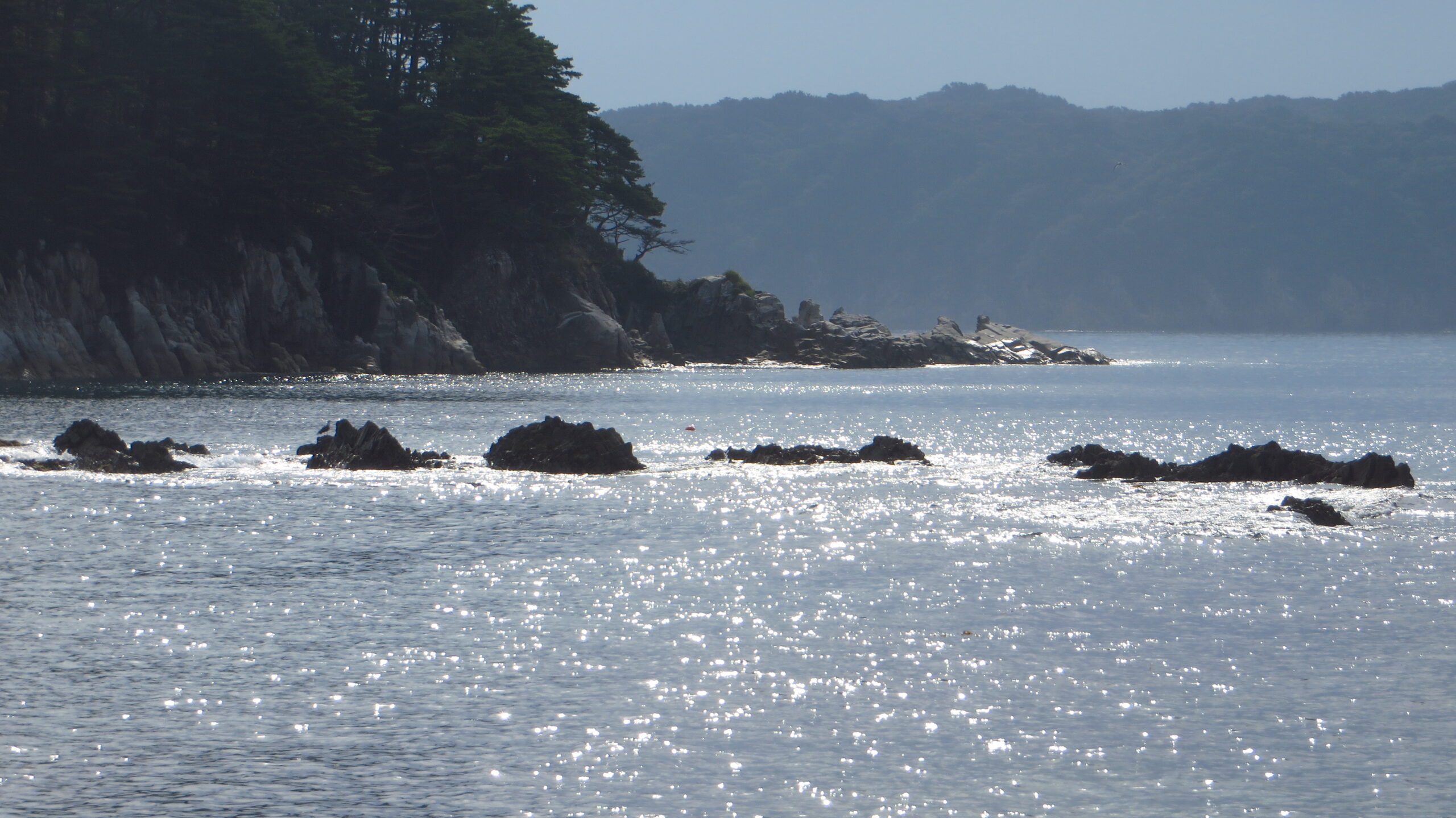
Traveling north along the coast, it was difficult to imagine that these peaceful landscapes had once experienced such overwhelming destruction.
Beyond Cape Tappi, the coastline changes completely.
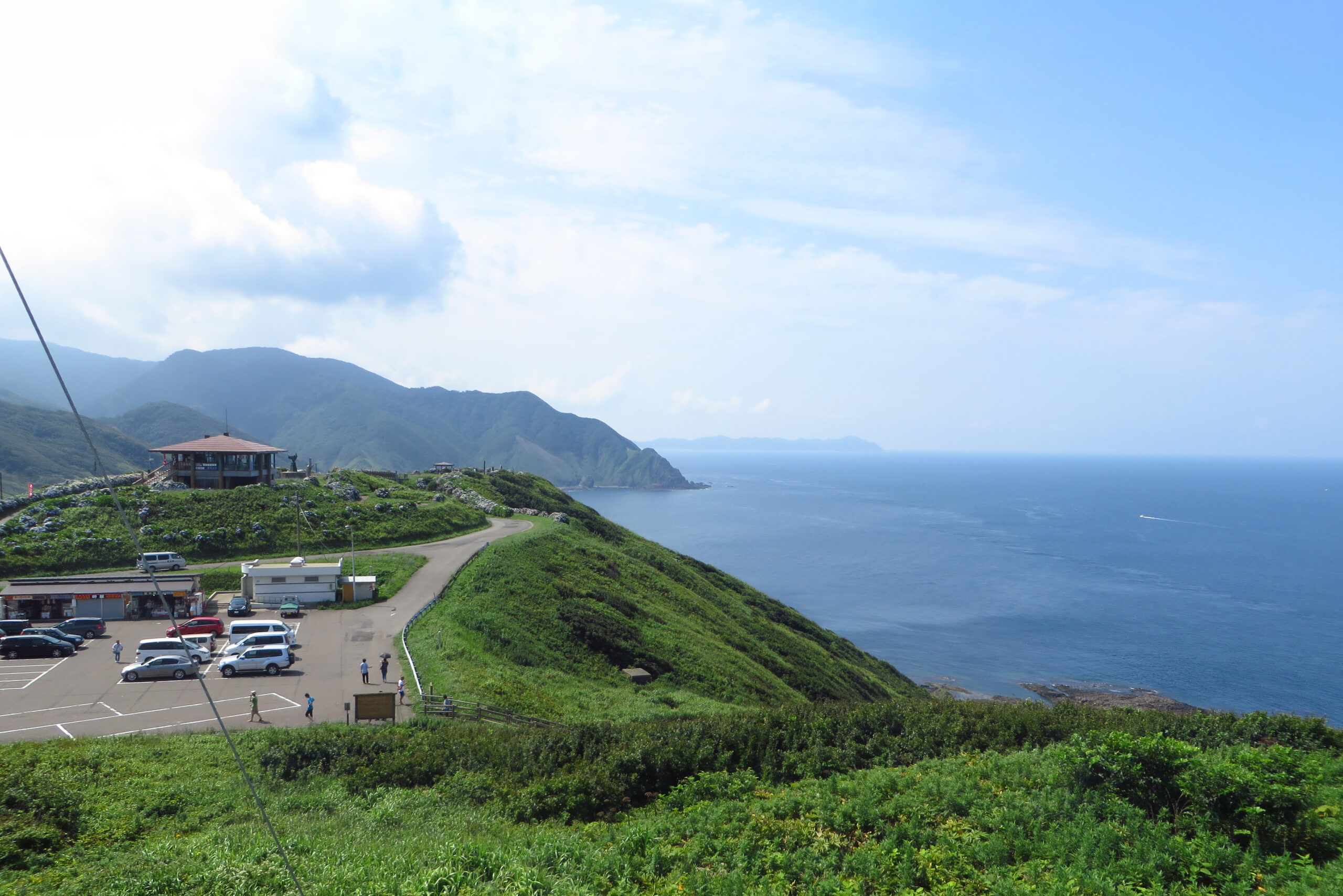
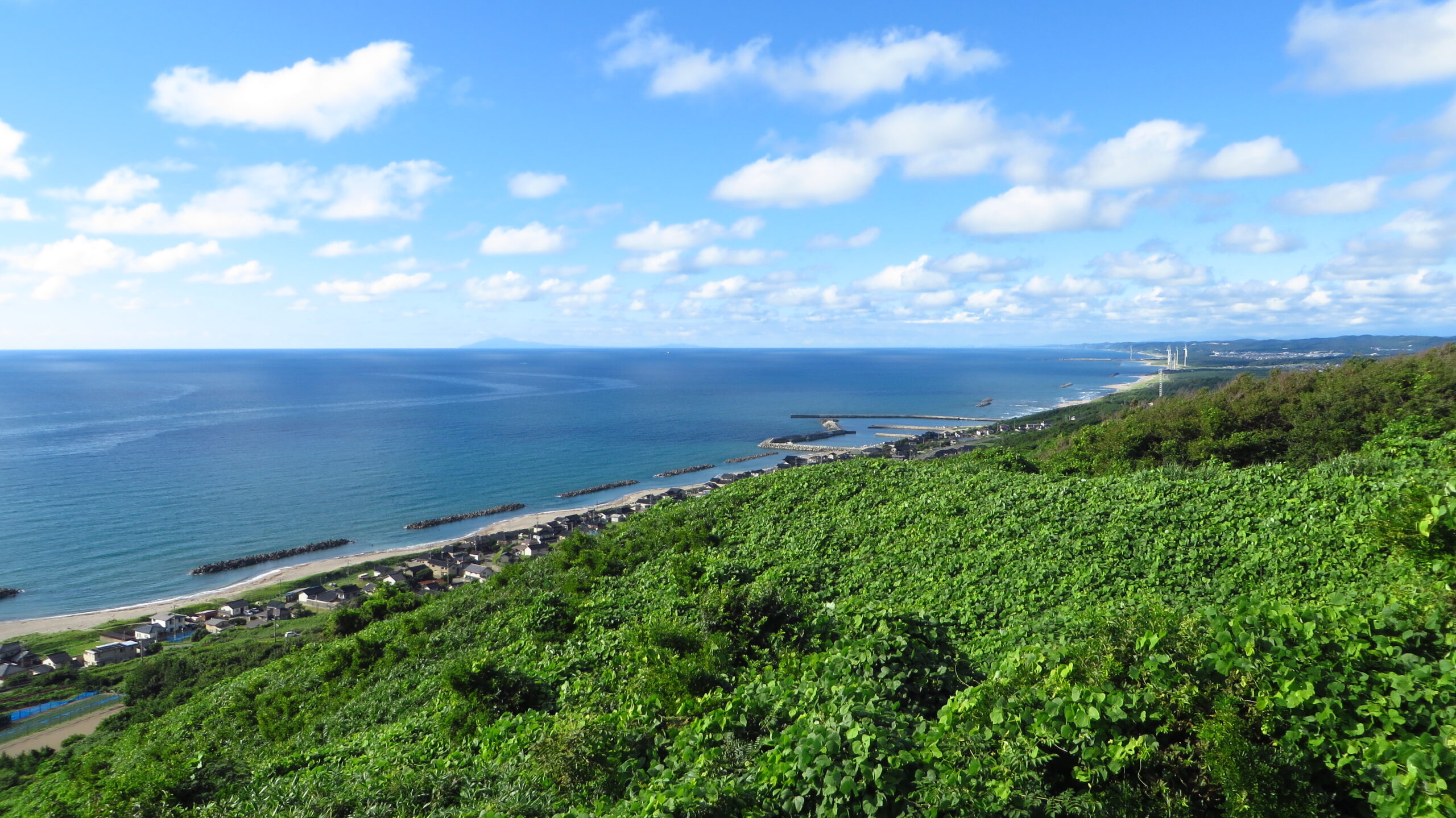
The rugged cliffs gradually give way to long sandy beaches stretching toward the Sea of Japan.
In Yamagata, the wide Shonai Plain spreads beneath the distant silhouette of Mount Chōkai.
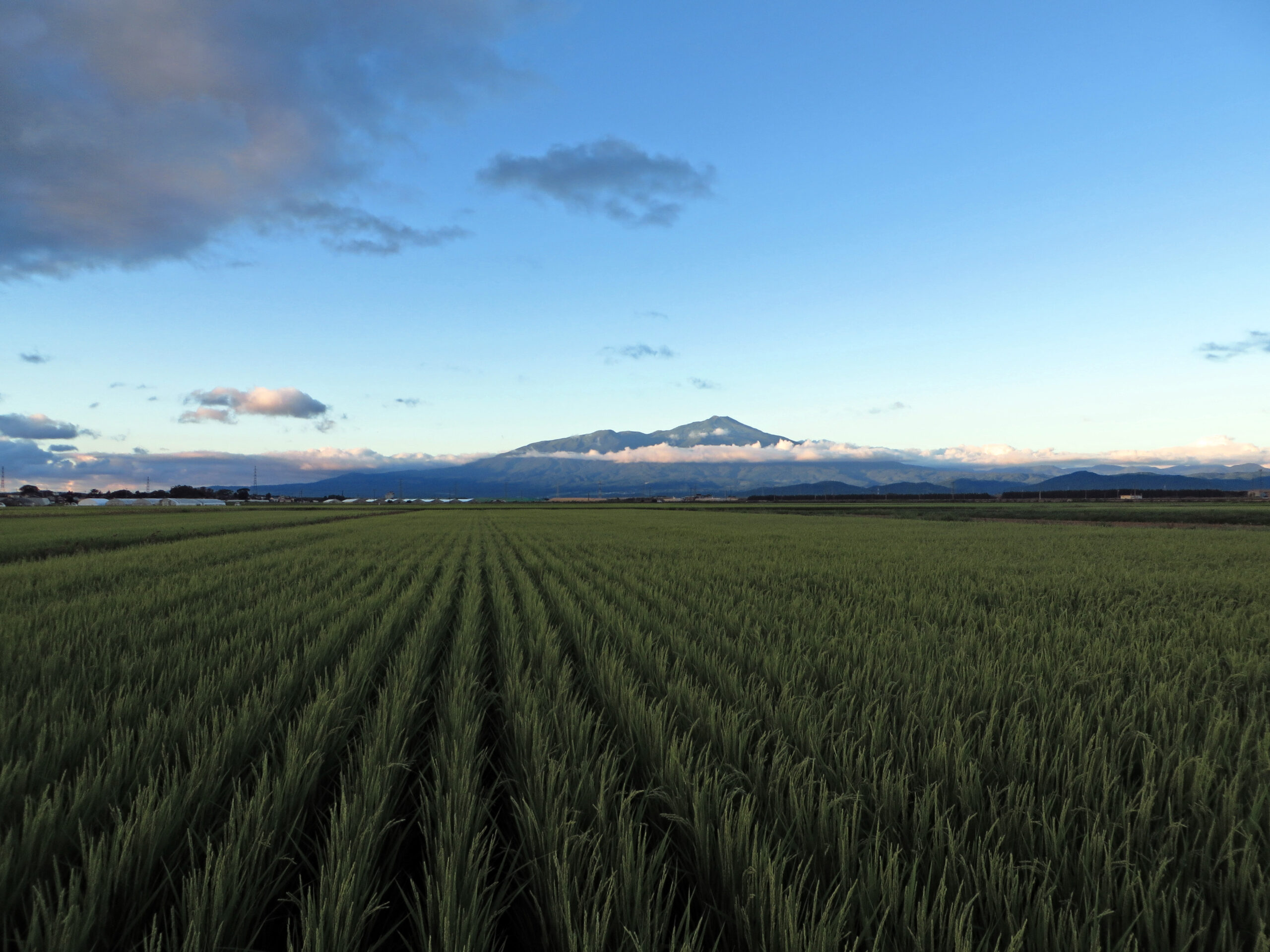
The rice fields shimmer in the summer light, preserving a timeless landscape that has defined this region for generations.
The journey quietly comes to an end at Sankyo Soko, the historic rice warehouses of Sakata.
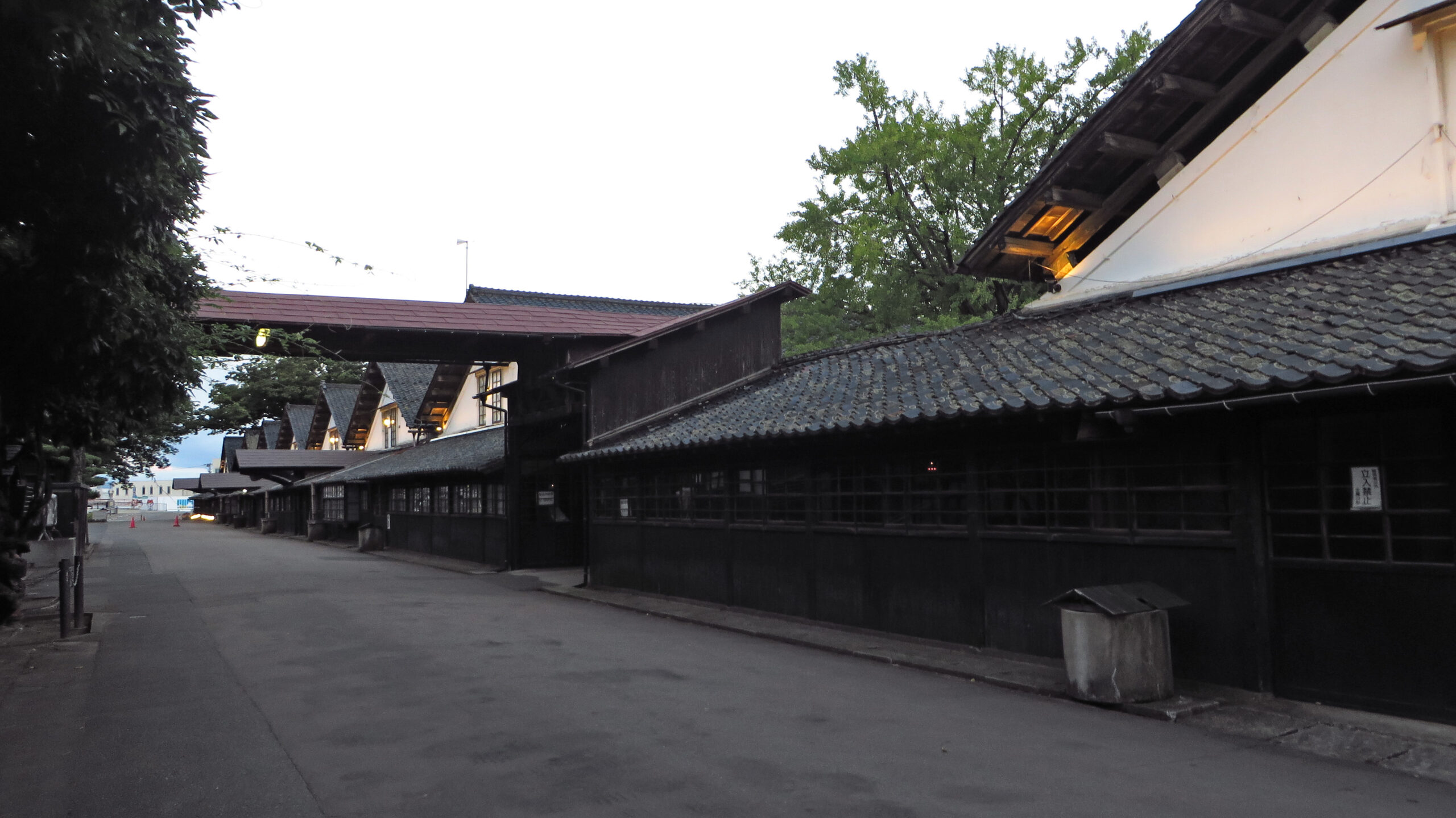
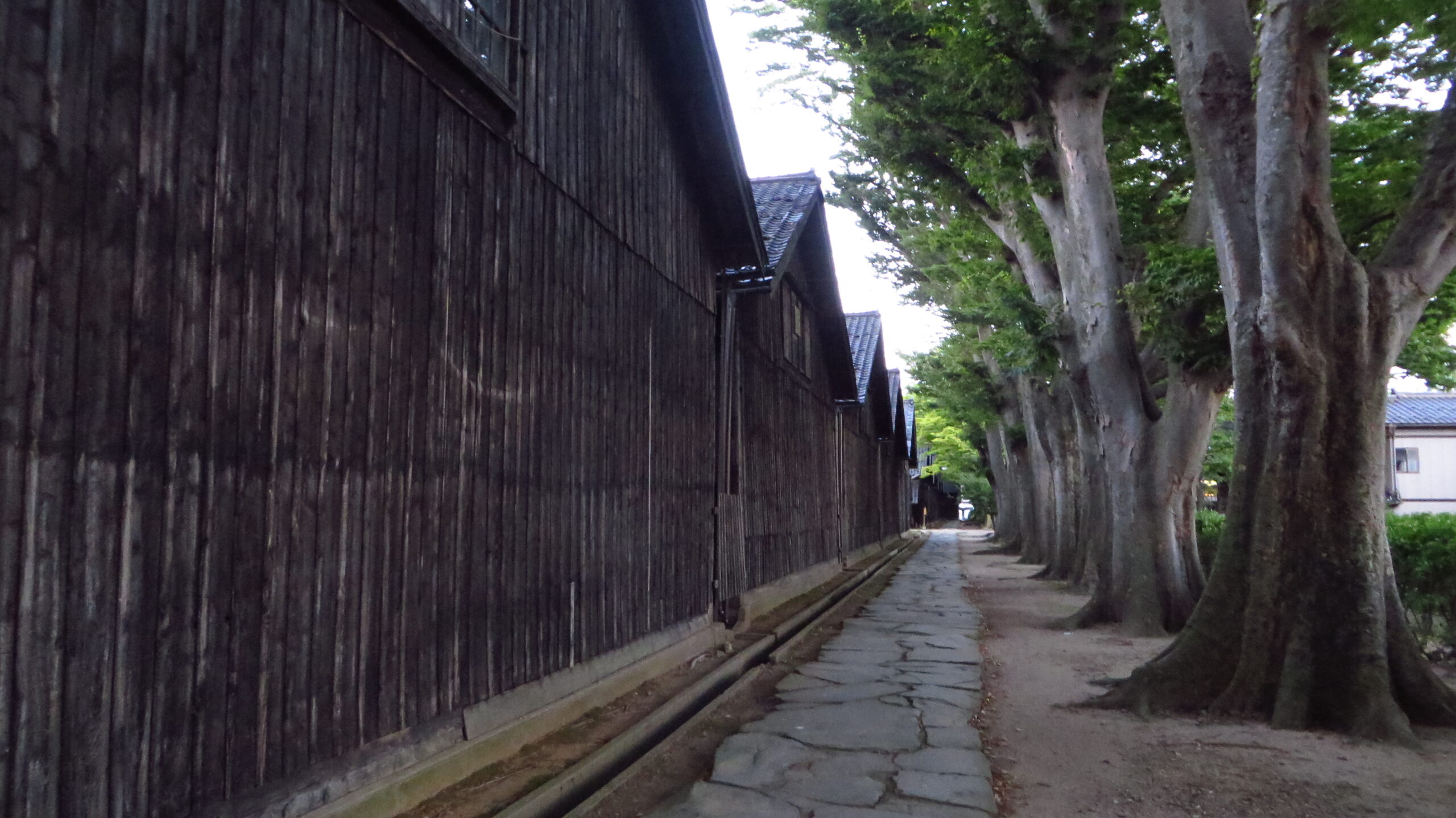
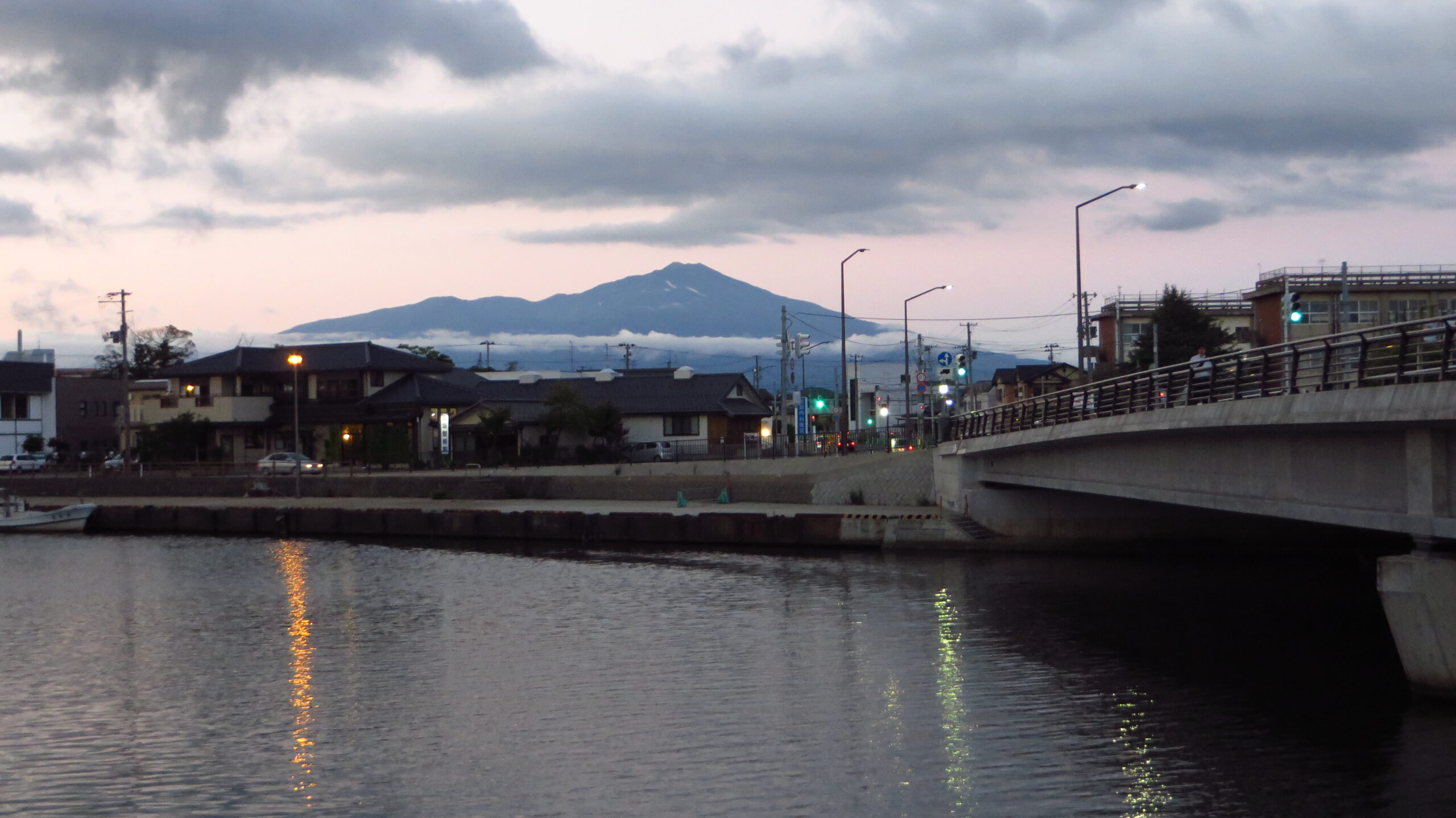
As evening falls, the feeling is almost like stepping back into another era.
Signs of Recovery
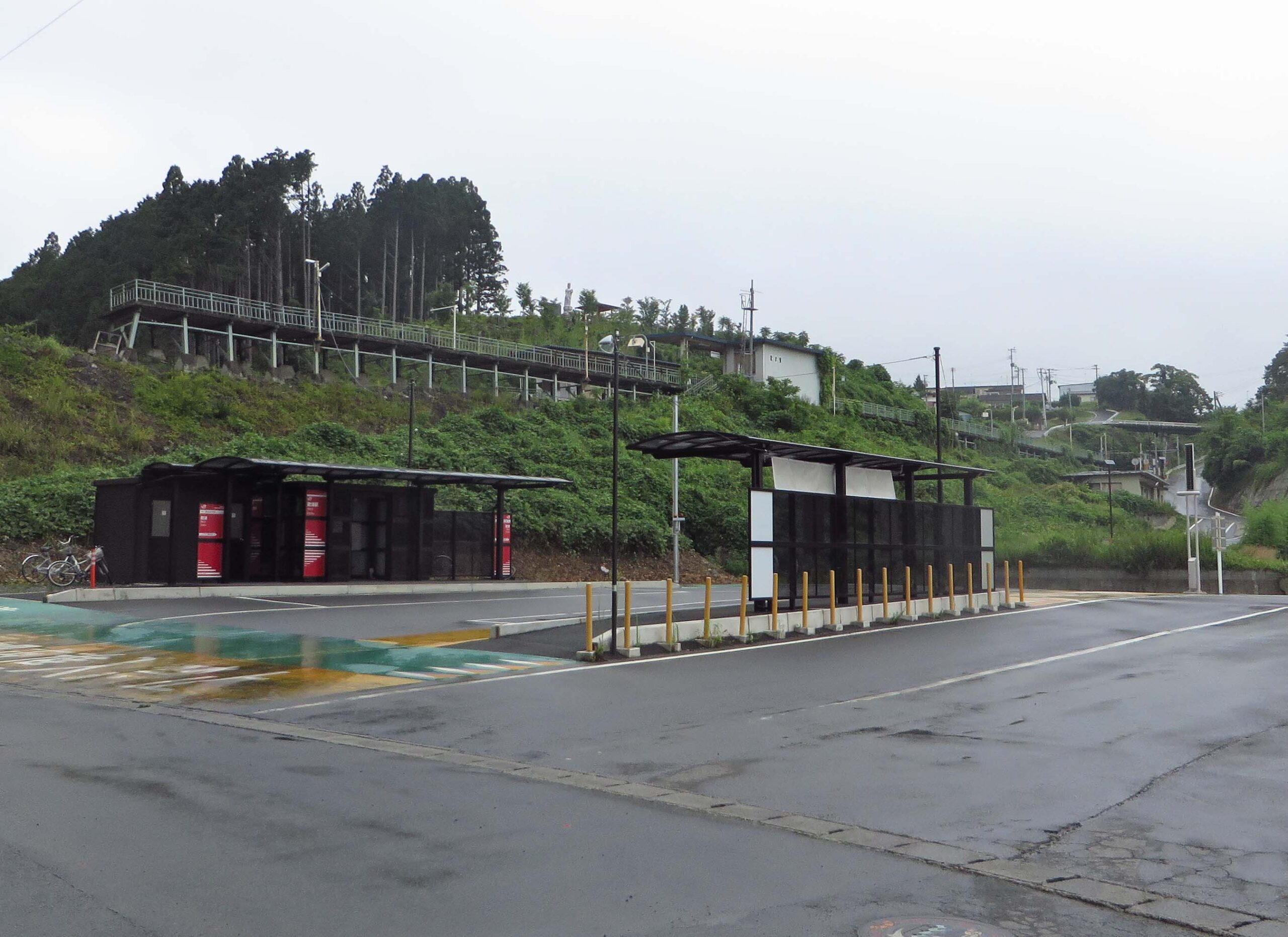
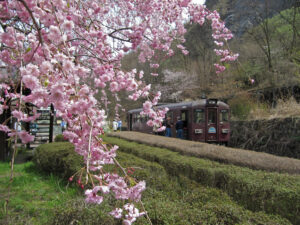
The Kesennuma Line was never rebuilt as a railway.
Instead, its former tracks became a dedicated Bus Rapid Transit (BRT) route, and stations such as Utatsu were transformed into bus stops.
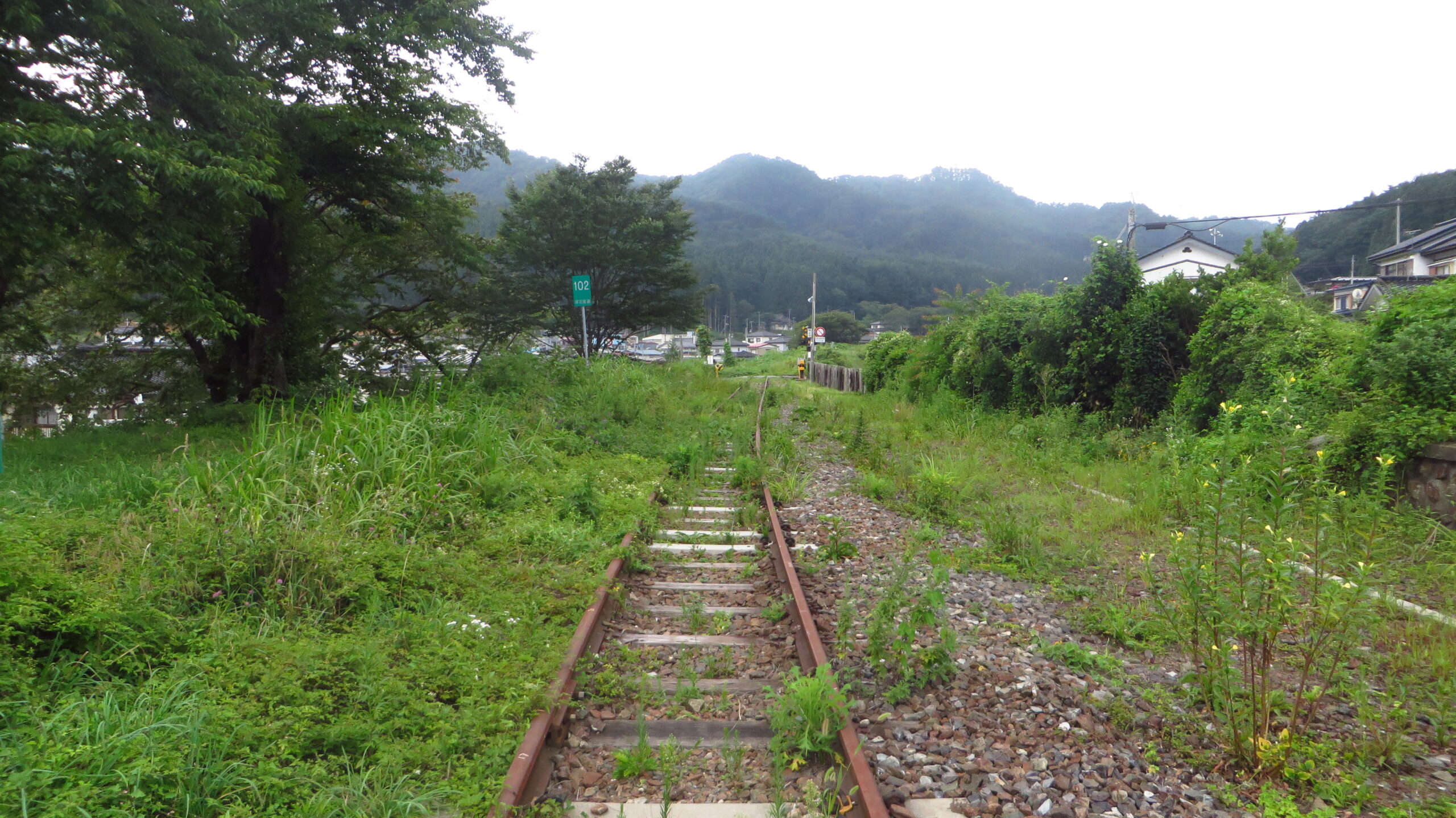
In 2019, other sections of the railway reopened as part of the Sanriku Railway, reconnecting communities along the coast once again.
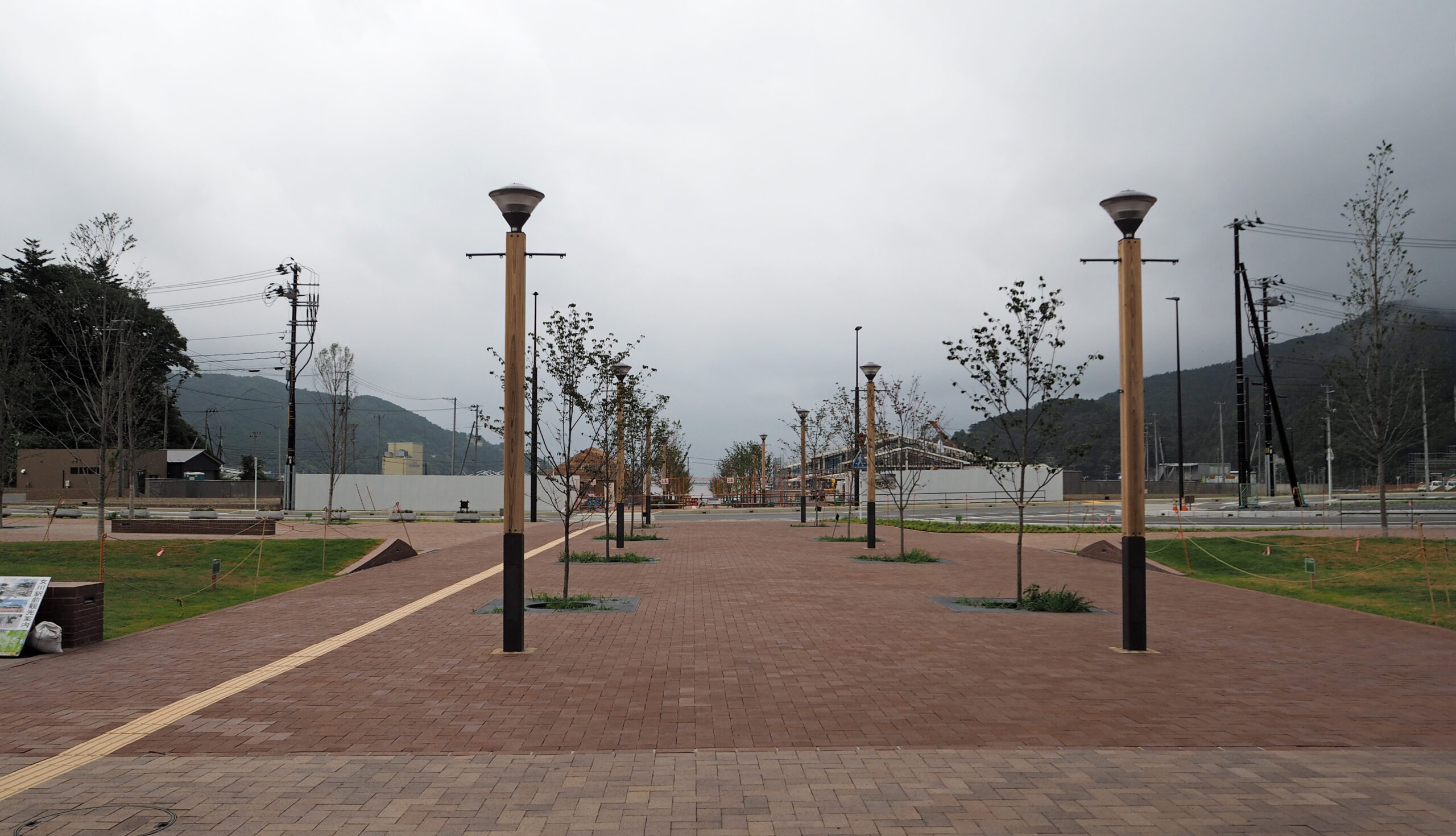
In Rikuzentakata, where the city center had been swept away, the landscape itself had been reshaped.
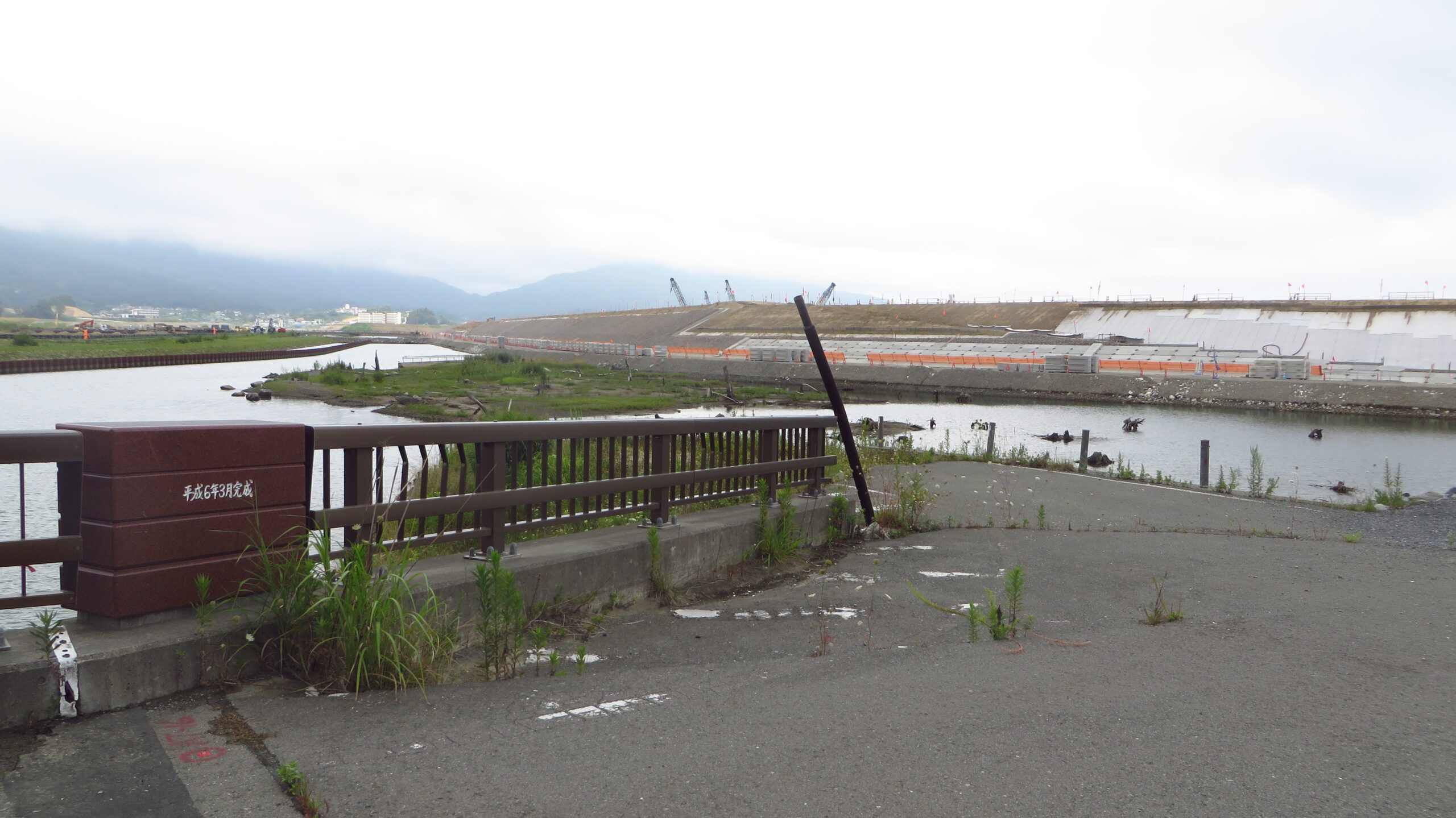
A twelve-meter seawall stretched along the shoreline, while construction continued across the city.
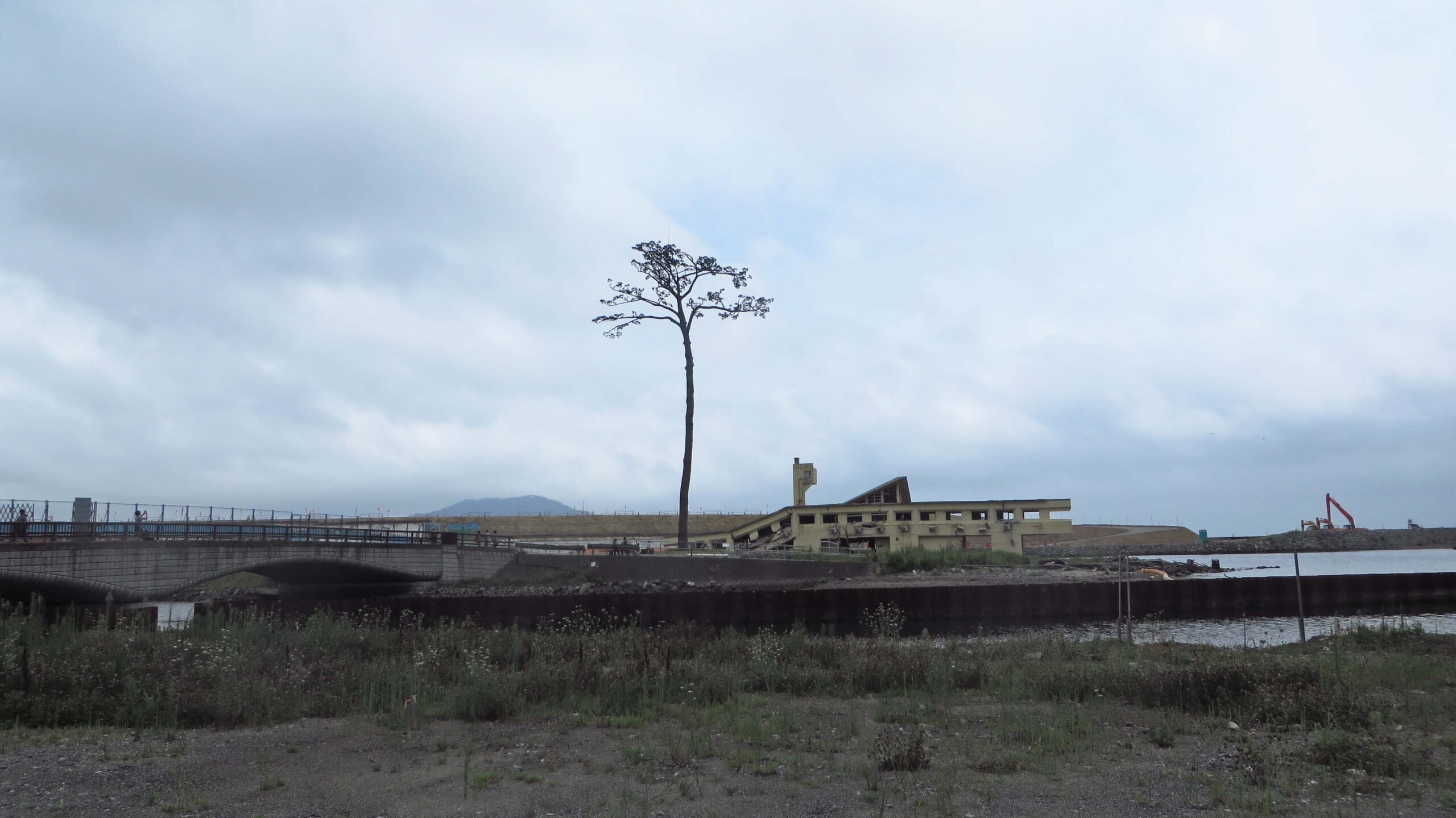
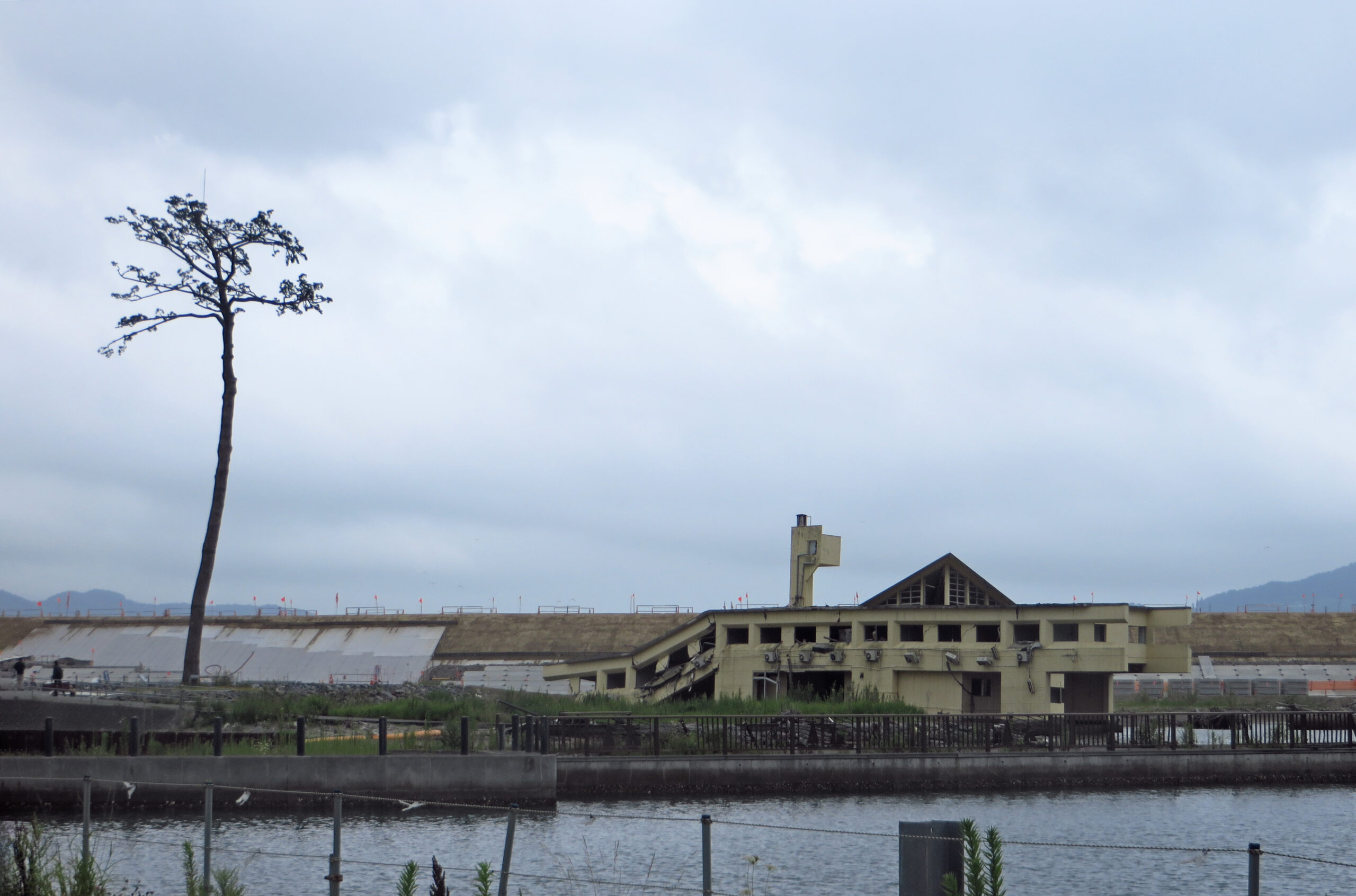
Of the seventy thousand pine trees that once lined the coast, only one survived.
Today, the Miracle Pine stands as a symbol of hope, visited by travelers and school groups from across Japan.
Beyond the Headlines
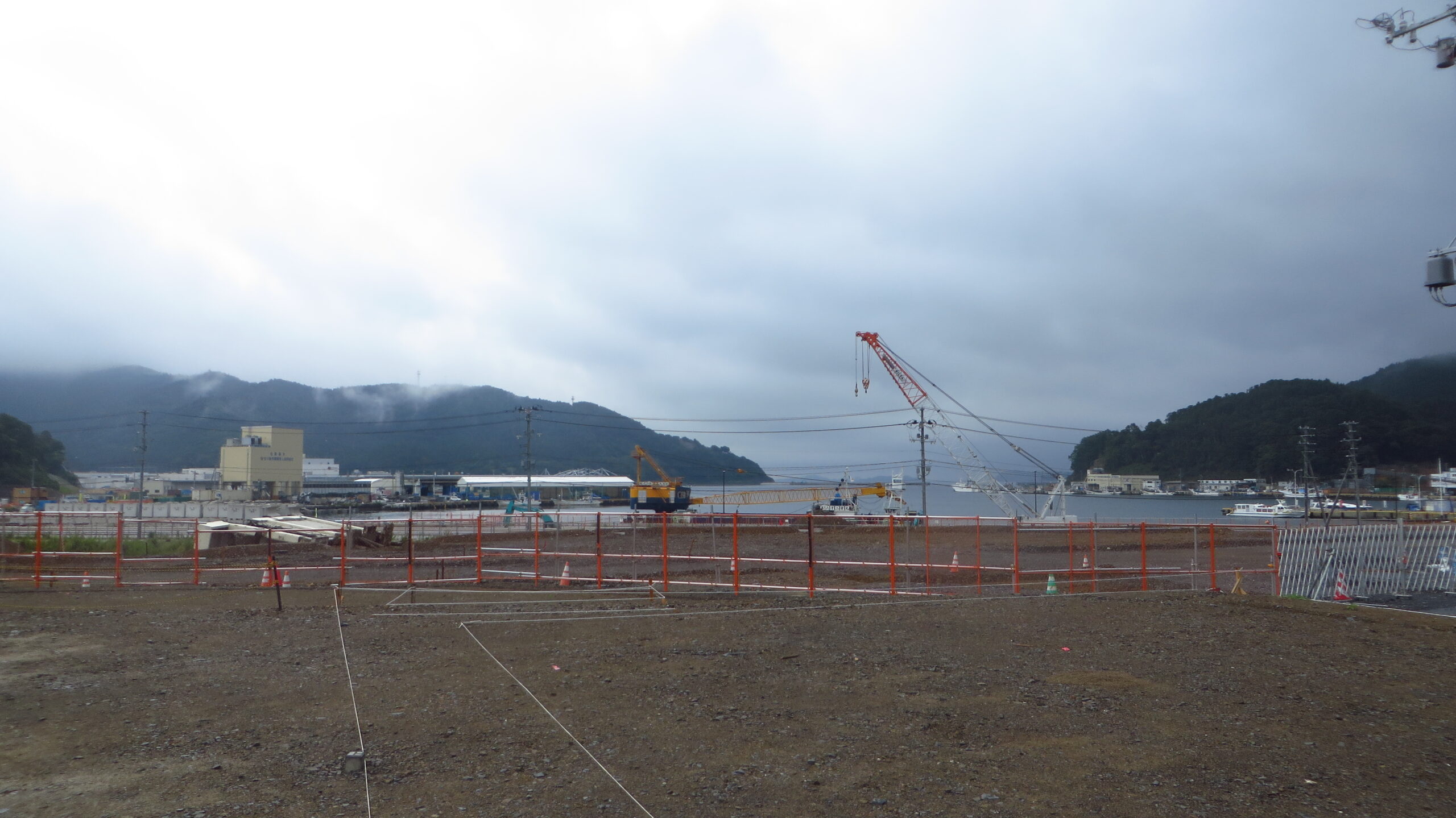
By 2015, news coverage had shifted away from reconstruction.
Public attention increasingly focused on the Fukushima Daiichi Nuclear Power Plant and the long process of decommissioning.
Some towns had made remarkable progress.
Others still contained empty spaces where neighborhoods had once stood.
Four years was simply not enough time to rebuild everything that had been lost.
When infrastructure disappears and communities are separated, the culture and identity of a town gradually begin to fade.
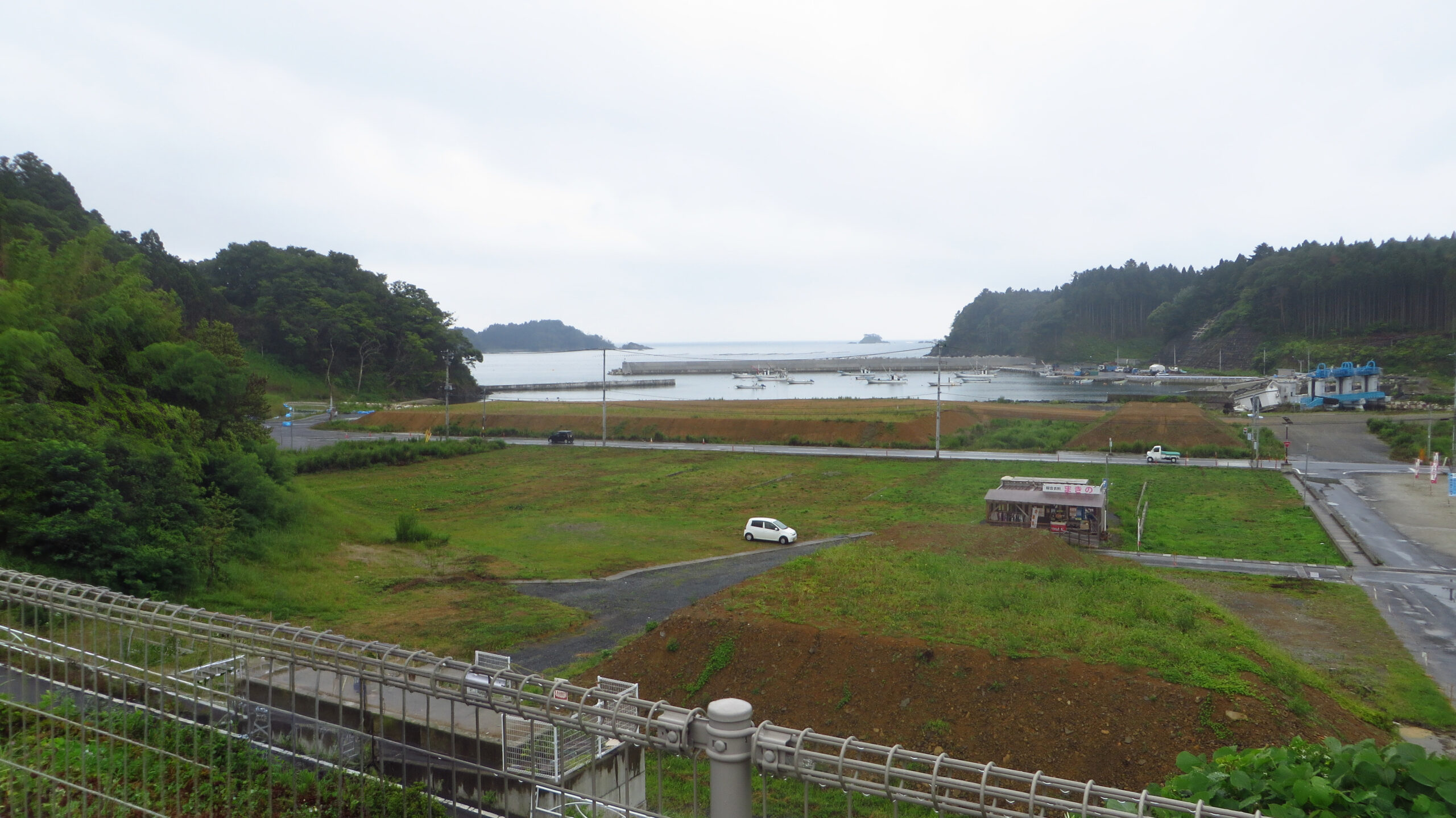
Without the people who lived there, traces of everyday life quietly vanish, as though the town had never existed at all.
Photography cannot restore what has been lost.
But it can preserve the memory that people once lived there.
That is why I made this journey.
Today's record becomes tomorrow's memory.
Archive Information
| Location | Tohoku Region, Japan |
| Photographed | 2015 |
| Collection | 93 photographs |
| Published | 2026 |
| Series | PATHS OF JAPAN Vol.6 |
Related Collection
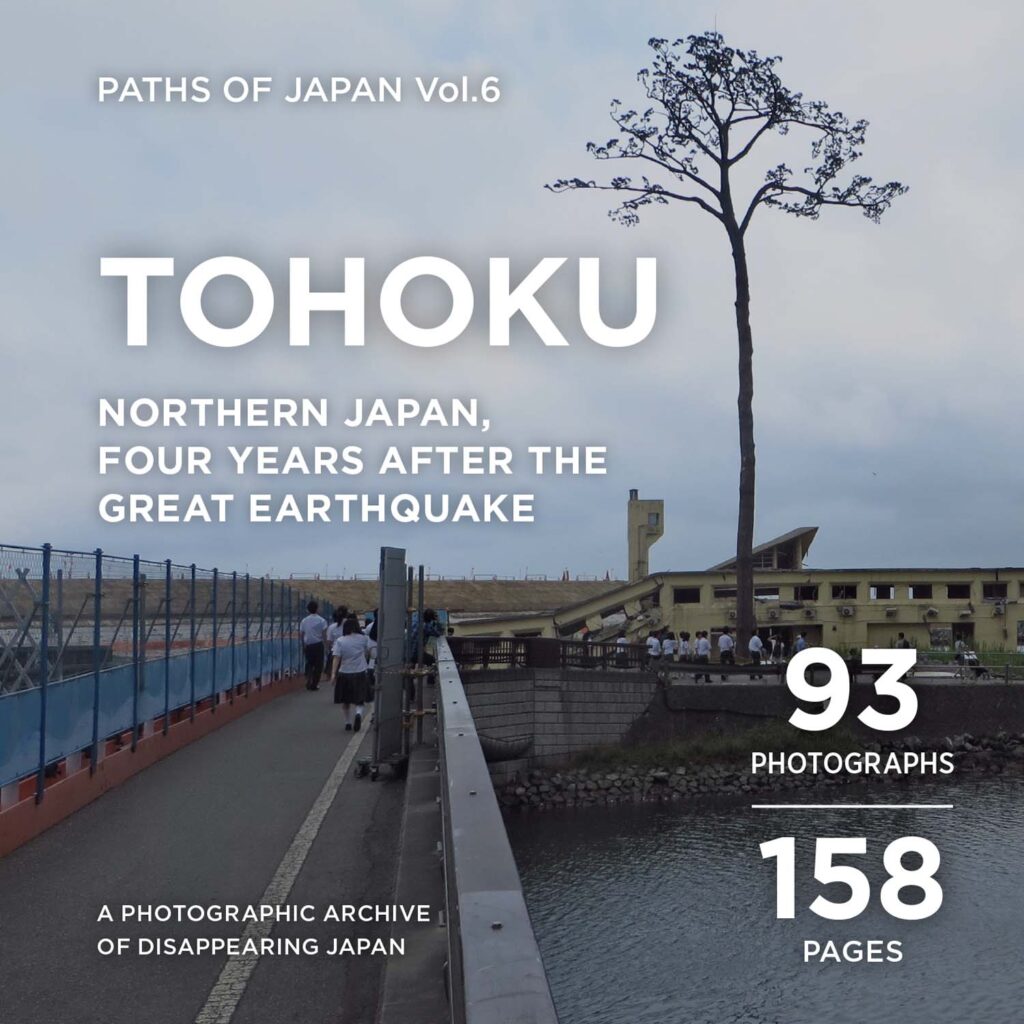
Paths of Japan Vol.6
TOHOKU – Northern Japan, Four Years After the Great Earthquake 2015
Explore the complete photographic archive of TOHOKU.