
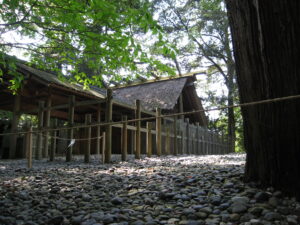
The Eternal Cycle of Ise
Ise Grand Shrine is a place familiar to almost everyone in Japan.
I first visited it when I was in elementary school. At the time, all I remember is a vast, quiet place that felt almost like a park.
What I remember more clearly is the lively approach after leaving the shrine grounds. Souvenir shops and local food stalls lined the streets, creating a cheerful world completely different from the silence of the sacred forest.
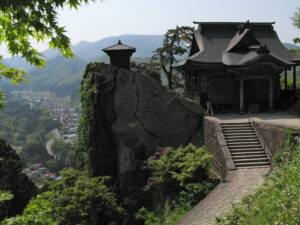
Walking the Same Path Twice
As I stepped out of Yamadera Station, Mount Hōju rose directly before me.
Halfway up its rocky slopes, I could see the temple quietly overlooking the valley.
A temple in the sky.
The thought that I was about to climb there filled me with quiet excitement.
It was a place I had only seen in photographs—a landscape I had always hoped to visit one day.
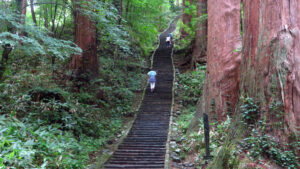
A Journey of Rebirth
Dewa Sanzan is the collective name for three sacred mountains in Yamagata Prefecture: Mt. Haguro, Mt. Gassan, and Mt. Yudono.
Since its founding more than 1,400 years ago, the region has been one of the most important centers of Shugendo, Japan's ancient mountain ascetic tradition.
During the Edo period, pilgrims believed that visiting the three mountains represented a journey through the present, the past, and the future—a symbolic path of spiritual rebirth.
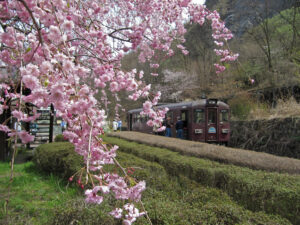
Beyond the End of the Line
When I first thought of Ashio, I remembered the history I had learned in school.
For many people in Japan, Ashio is associated with the country's first major pollution disaster. In my mind, it had long remained a place defined by difficult memories.
But decades later, I arrived to find something quite different.
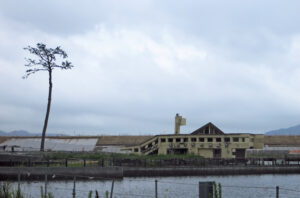
Returning to Tohoku
On March 11, 2011, a massive tsunami struck the northeastern coast of Japan.
The images broadcast around the world were unlike anything I had ever seen. Entire towns disappeared beneath the waves, and even hundreds of kilometers away, daily life around Tokyo was profoundly affected.
For months, news about the disaster filled newspapers and television reports. Even four years later, reconstruction remained an ongoing story.
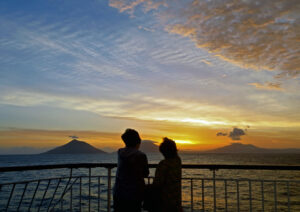
The Journey Is Part of the Destination
The Ogasawara Islands are among the most remote places in Japan.
Located nearly 1,000 kilometers south of central Tokyo, Chichijima is not only distant—it is also remarkably difficult to reach.
There is no airport, and regular access is limited to an ocean liner that takes approximately 24 hours each way.
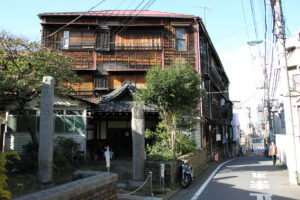
The Tokyo That Quietly Disappeared
I photographed these streets of Tokyo between 2004 and 2005.
More than twenty years have passed since then.
Beyond the noise and constant movement of the city, another Tokyo quietly existed—one of narrow streets, aging wooden houses, neighborhood shops, and everyday life that had changed little for decades.
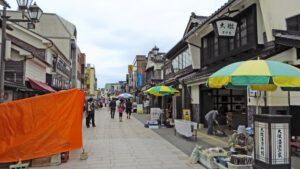
Noto Peninsula Before the Earthquake
This journey took place in 2012, twelve years before much of the Noto Peninsula would be changed forever.
From early morning, Wajima Morning Market was already filled with life. Local vendors greeted visitors with warm smiles, colorful stalls lined the historic streets, and travelers came from across Japan to experience one of the country's most famous morning markets.
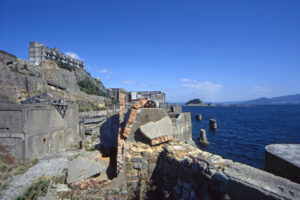
Before the Tours Began: Gunkanjima in 1997
These photographs were taken in 1997, more than twenty years after the coal mine had closed and the island had fallen silent.
No one lived here anymore.
Concrete ruins stood against the sea. The only sounds were the wind and the waves.
Yet once I stepped onto the island, traces of everyday life were everywhere—as if the residents had only recently walked away.

The Last Years of Tsukiji Market
Tsukiji Market was far more than a fish market.
Its story began with the Nihonbashi Fish Market, where seafood from Tokyo Bay—once known as Edo-mae—had supplied the people of Edo for centuries.
After the Great Kanto Earthquake of 1923 destroyed the original market, a new public wholesale market was built in Tsukiji. In 1935, Tsukiji Market officially opened and soon became known as "Japan's Kitchen."