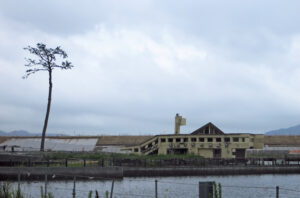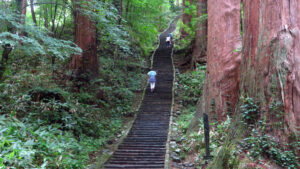
A journey through Ashio, where history quietly becomes everyday life.
Beyond the End of the Line
When I first thought of Ashio, I remembered the history I had learned in school.
For many people in Japan, Ashio is associated with the country's first major pollution disaster. In my mind, it had long remained a place defined by difficult memories.
But decades later, I arrived to find something quite different.
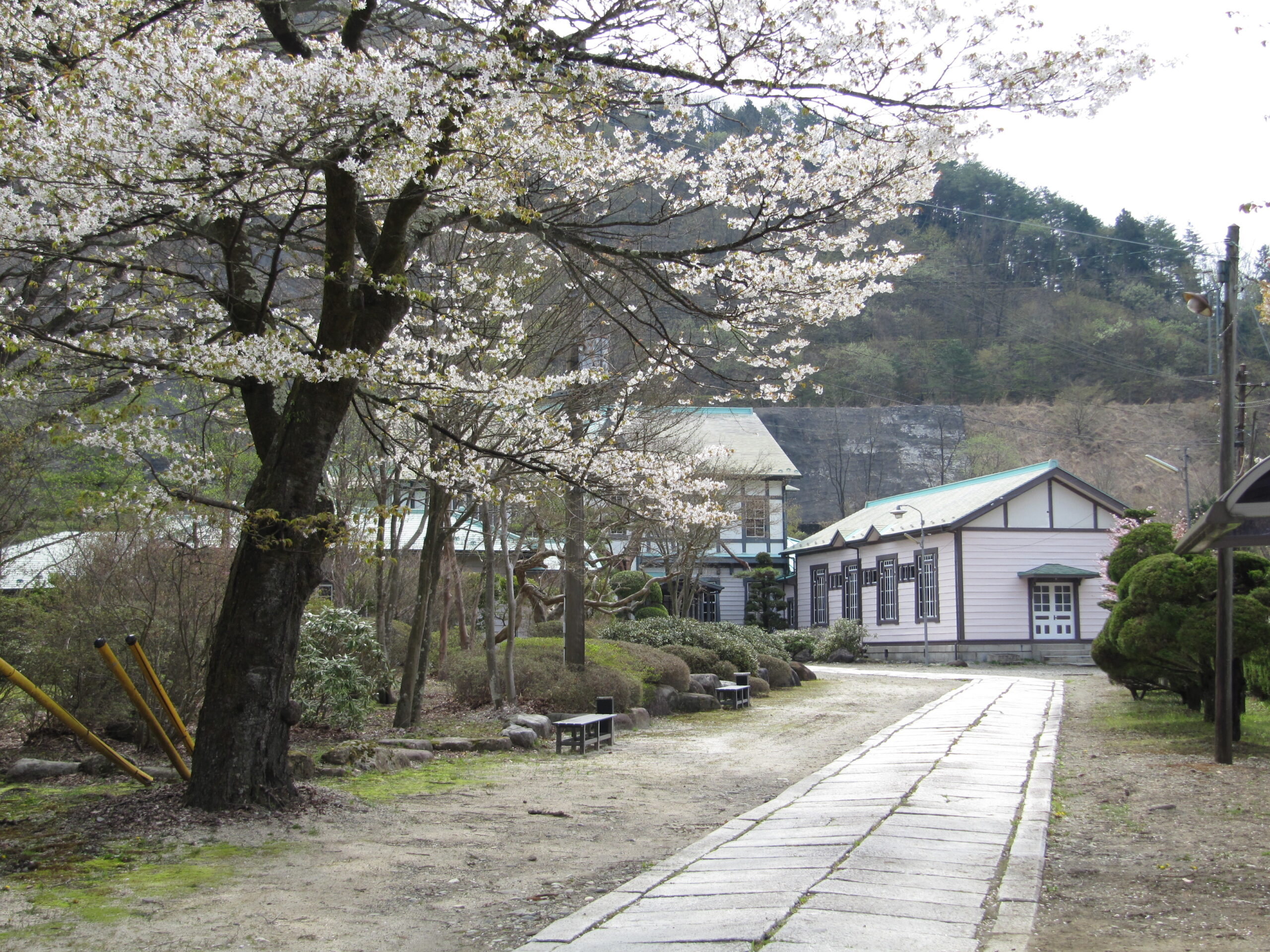
Ashio had quietly transformed itself into a town where history is preserved—not only through museums and monuments, but through everyday life.
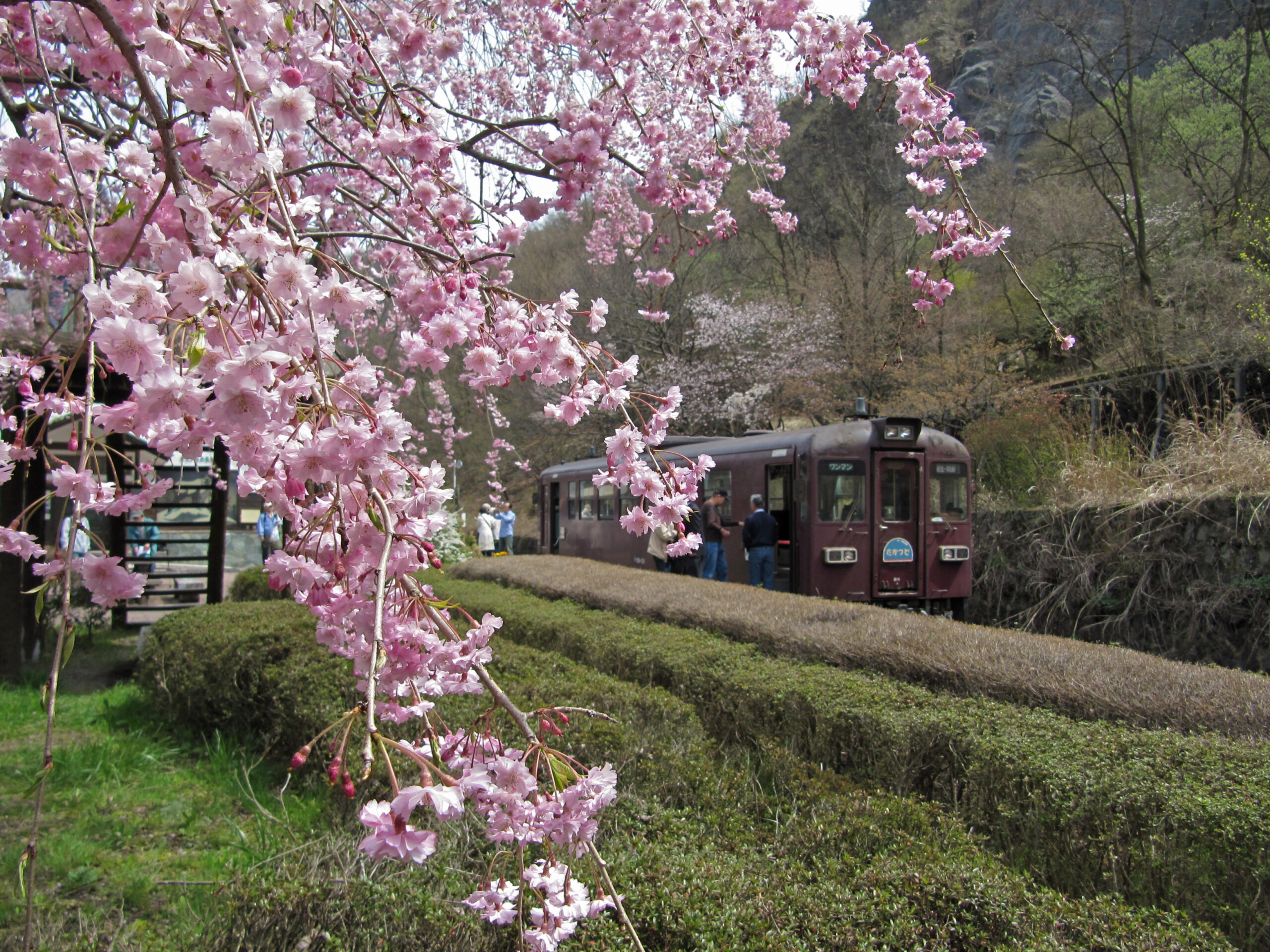
The journey begins on the Watarase Keikoku Railway, one of Japan's most scenic local railways.
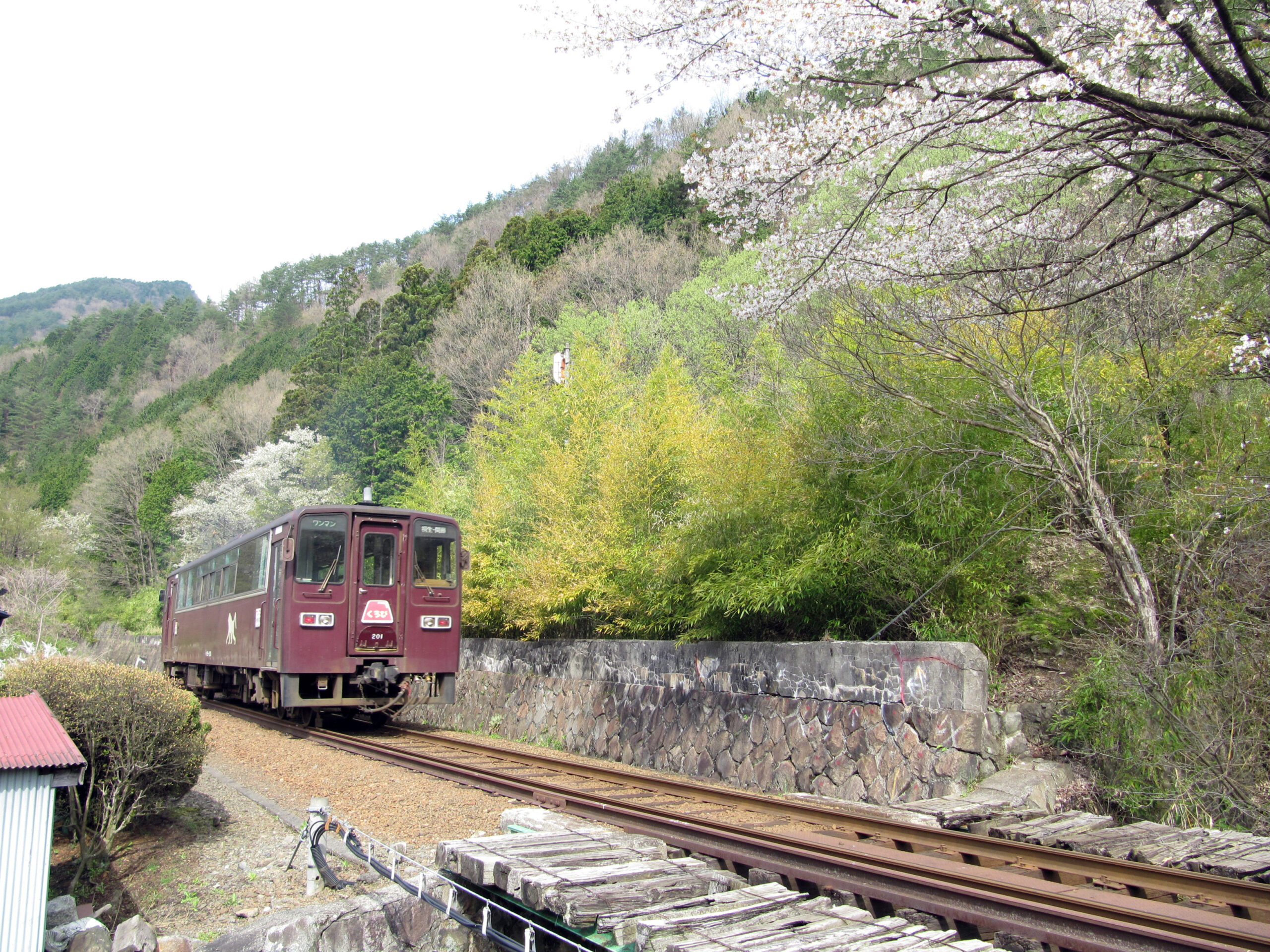
Following the Watarase River through mountain valleys, the train passes small stations and nostalgic towns that seem untouched by time. Even the old shop signs along the streets feel like fragments of another era.
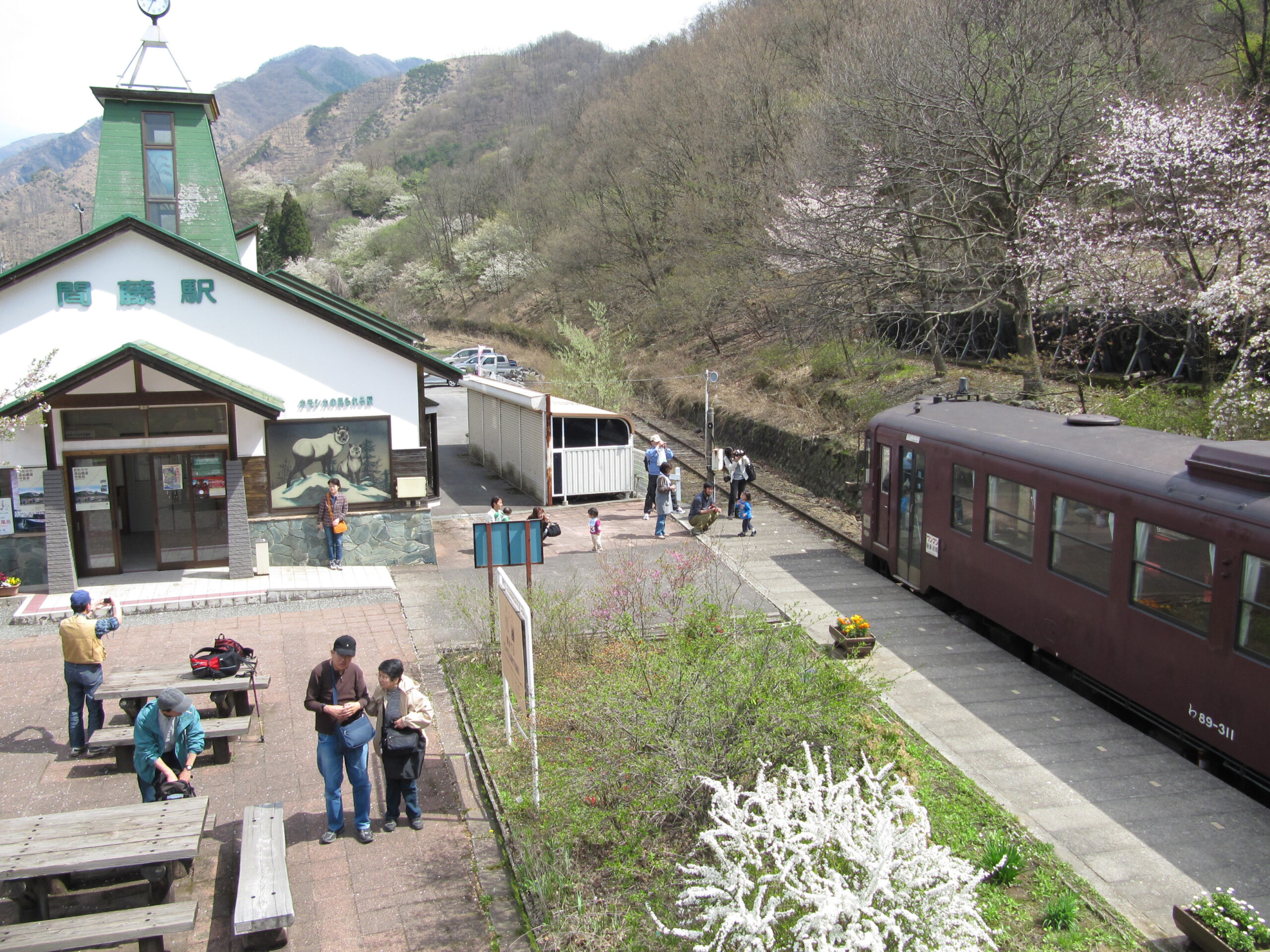
The railway reaches its final station at Mato.
For most travelers, the journey ends there.
For me, it was where the real journey began.
A Town Built by Copper
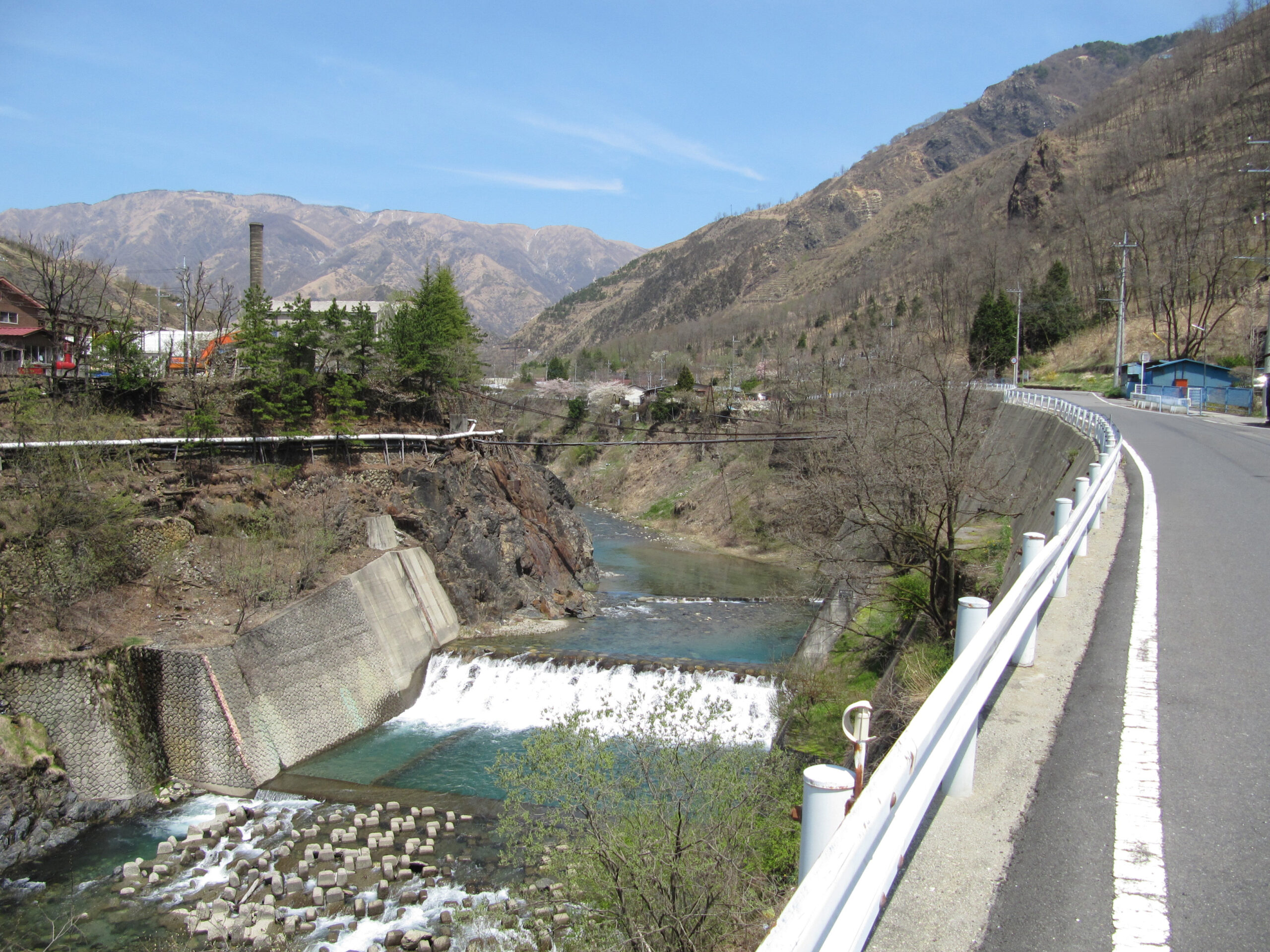
Walking beyond the station, the landscape slowly begins to change.
Old industrial structures emerge from the valleys.
The mountains themselves still bear the scars of a century of mining.
Ashio once played a vital role in Japan's modernization, and its industrial heritage remains remarkably intact.
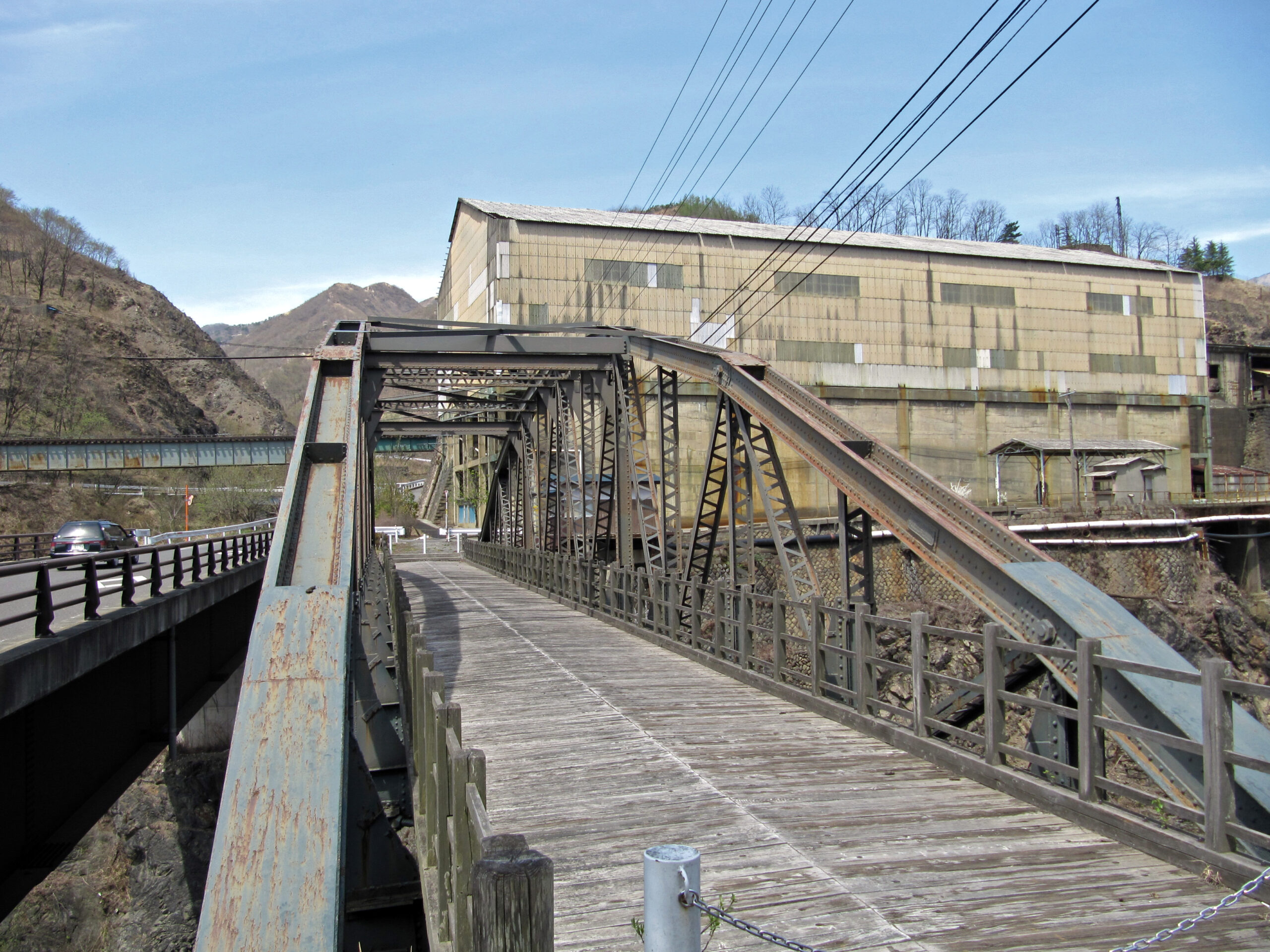
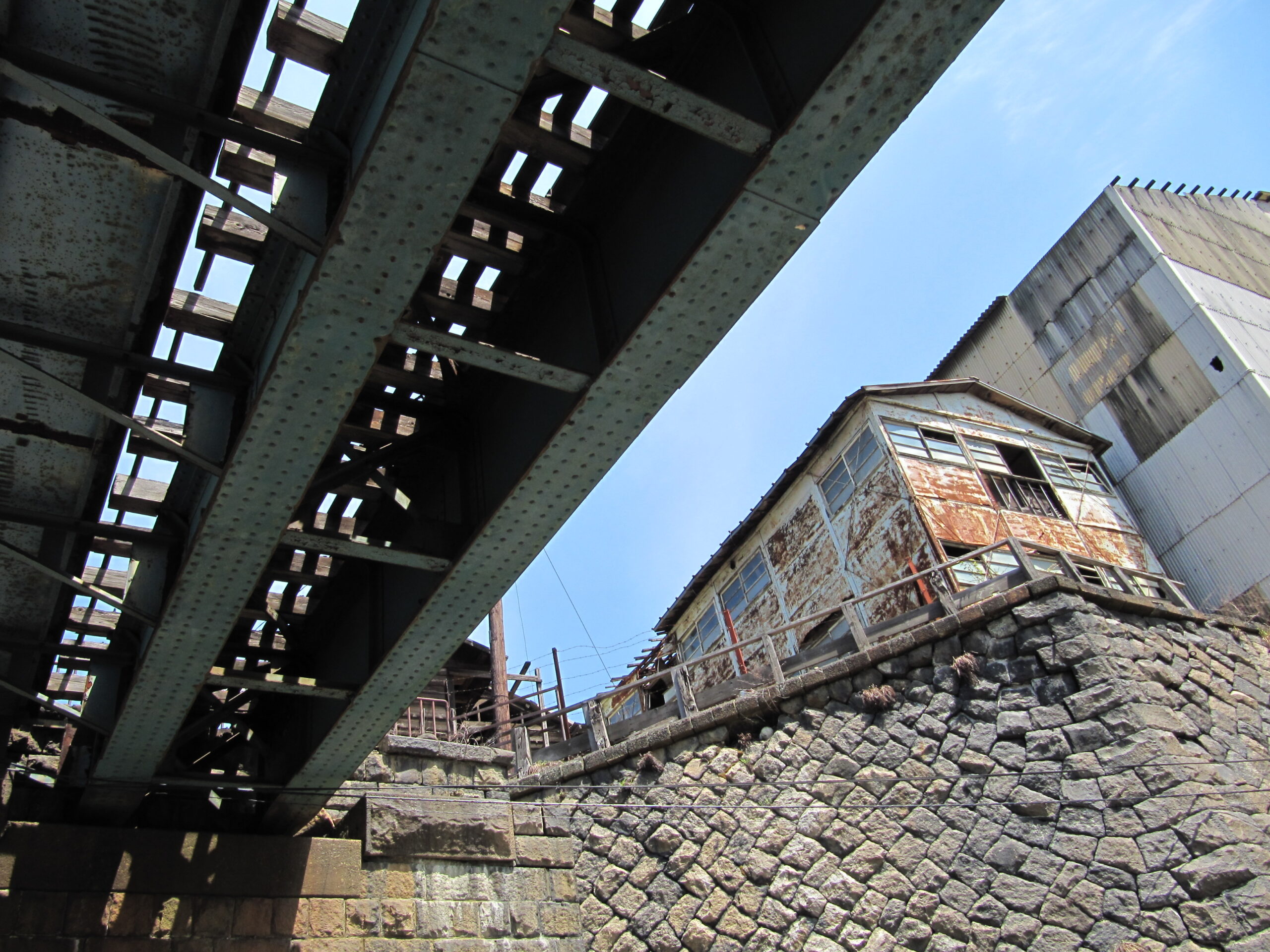
The towering chimney of the former smelter, historic railway structures, and preserved mining facilities create a landscape unlike anywhere else in Japan.
Yet the town never feels like an abandoned ruin.
Instead, history has quietly become part of the scenery, inviting visitors to experience it rather than simply observe it.
Walking Through Memories
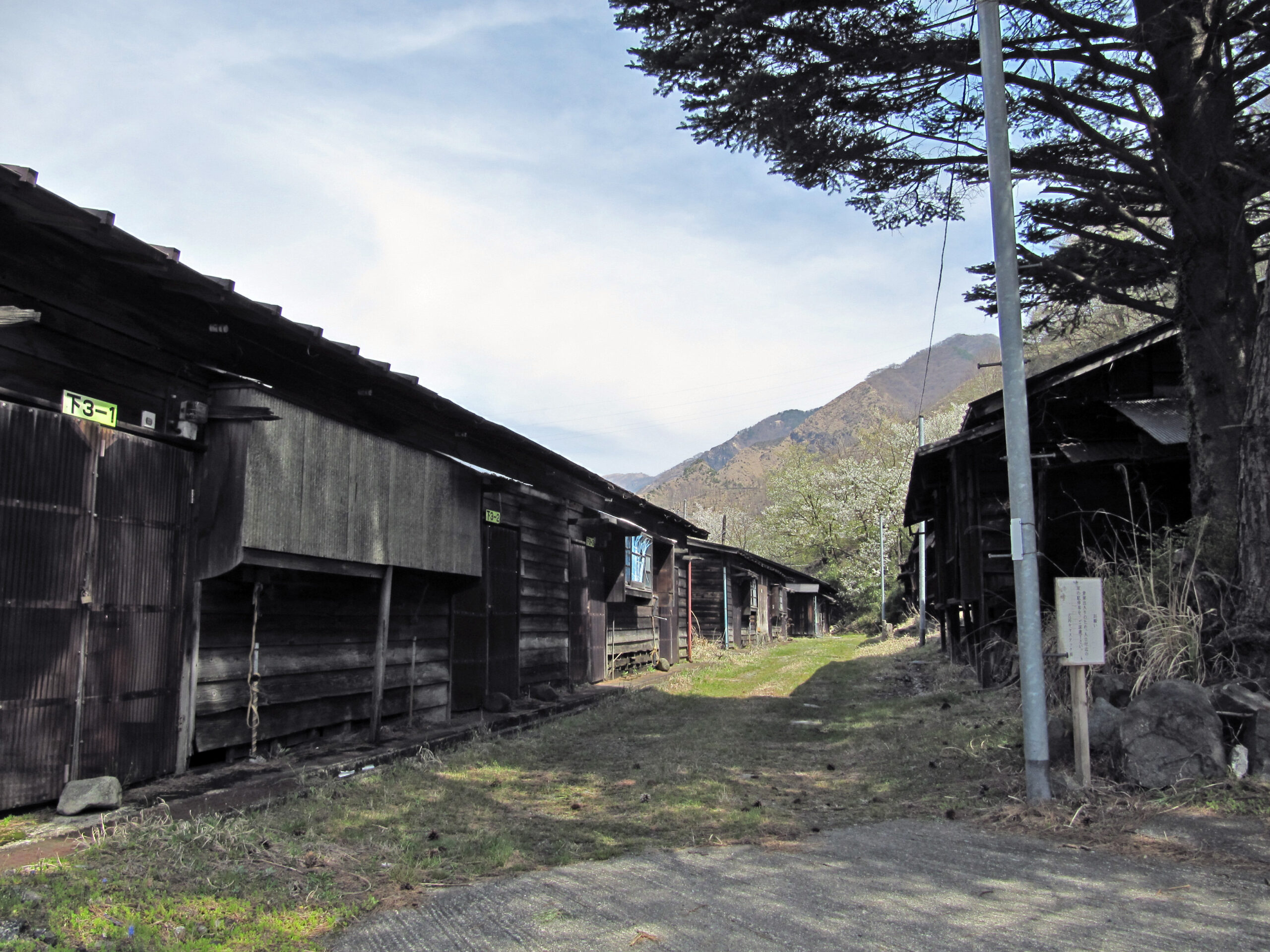
The deeper I walked into the old mining districts, the quieter everything became.
Former company houses still stand along the narrow streets.
Some are empty.
Others continue to be lived in.
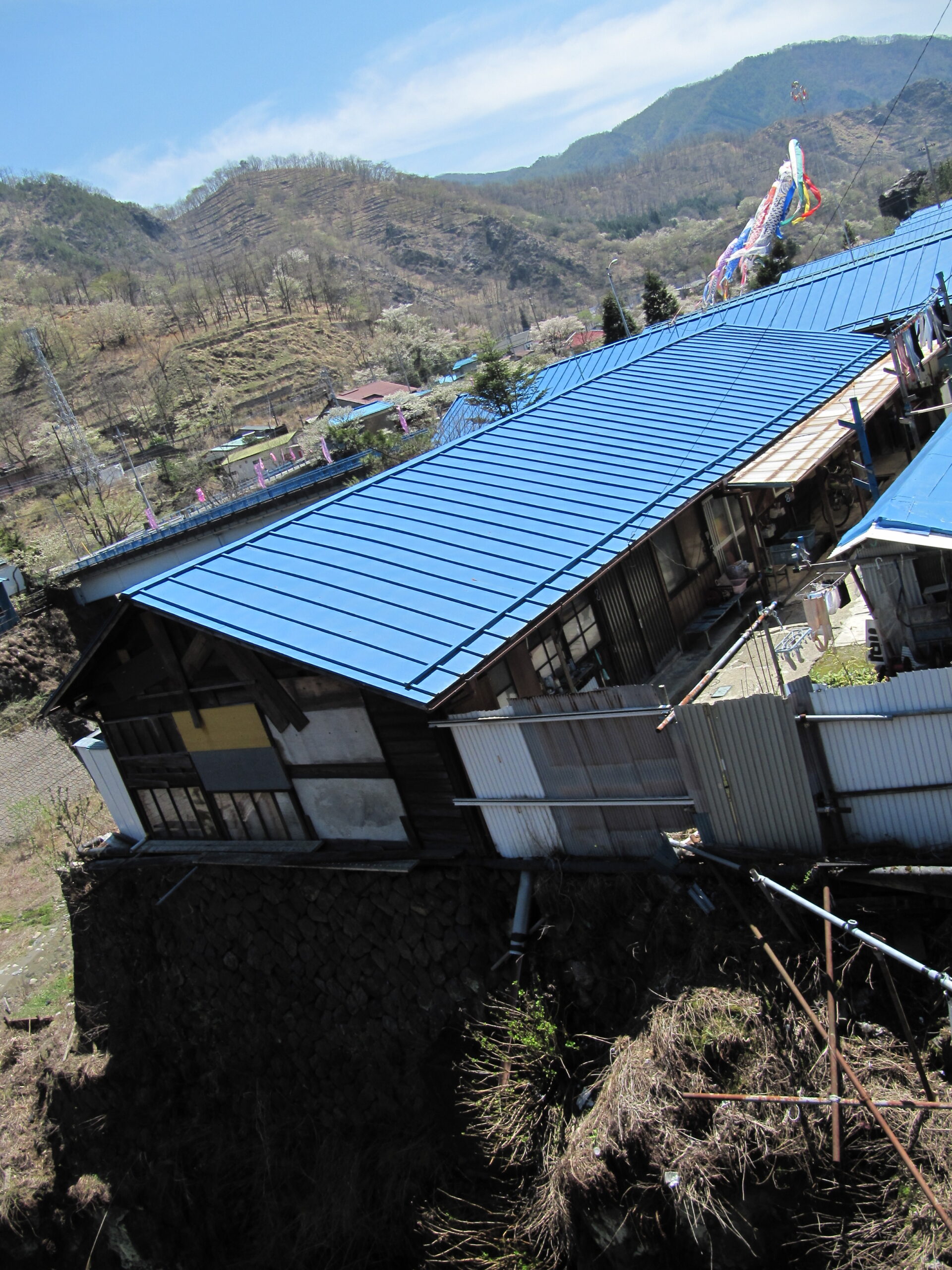
Many wooden buildings that would have disappeared long ago in larger cities remain here, surrounded by mountains and silence.
What surprised me most was that these places did not feel sad.
Instead, they felt warm.
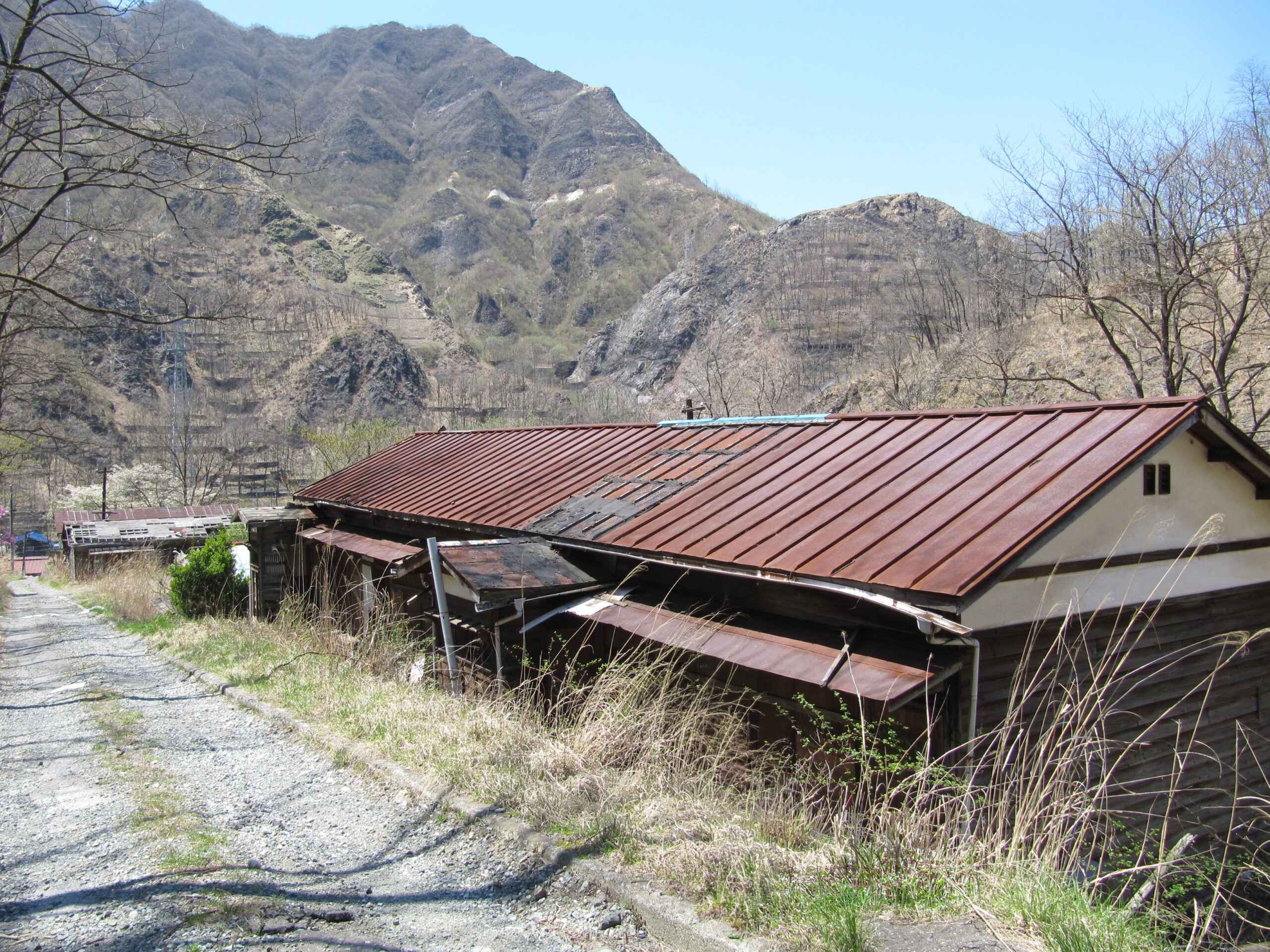
It was easy to imagine children once running through these streets, neighbors greeting one another, and families building their everyday lives here.
Even after so many years, those quiet memories still seem to linger.
When the Town Comes Alive
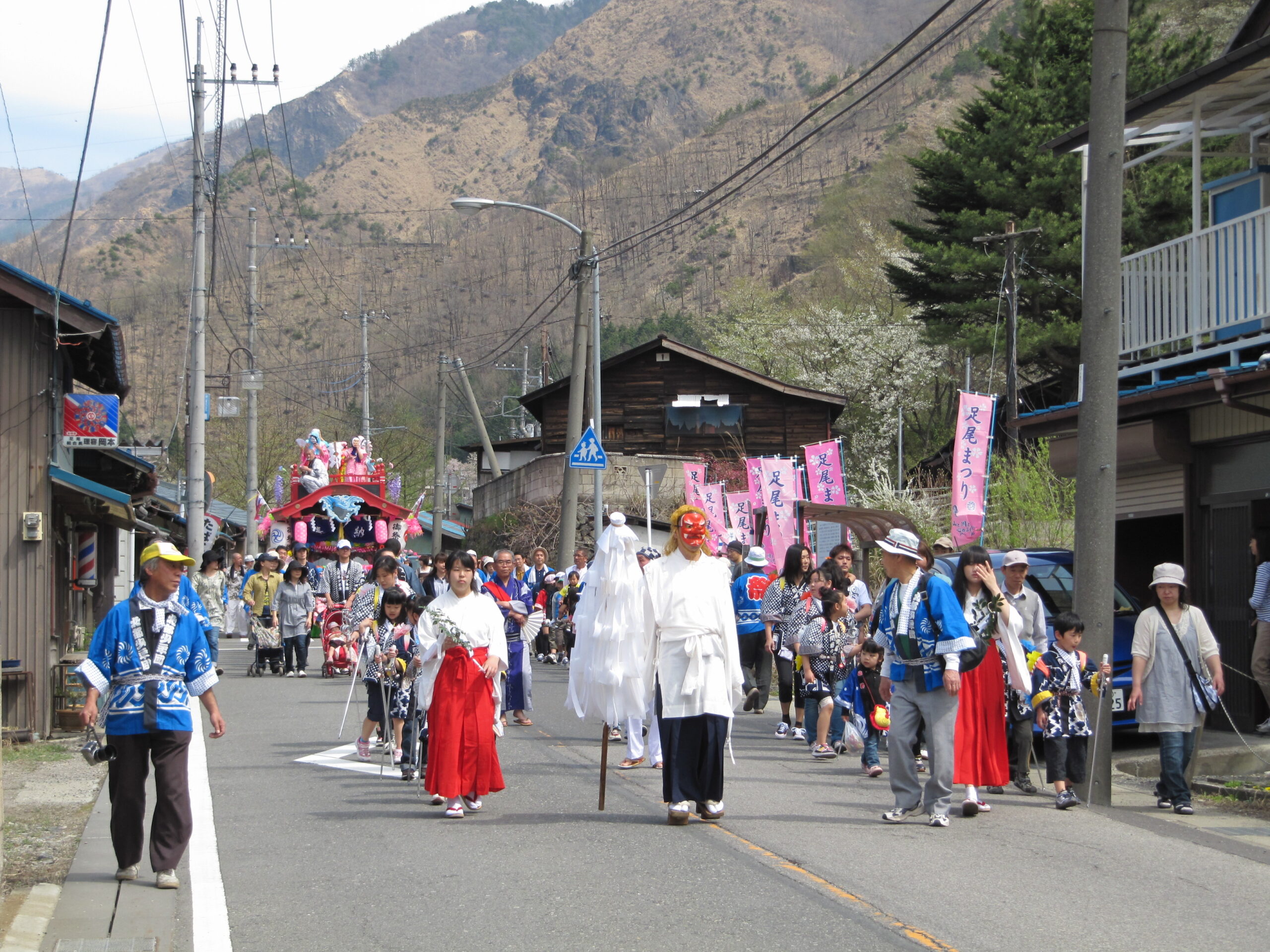
As I returned toward Mato Station, I began to hear the sound of drums and flutes echoing through the valley.
By chance, I had arrived on the day of the Ashio Festival.
The festival dates back to the Meiji era. Although it came to an end after the mine closed in 1973, local residents revived it just a few years later.
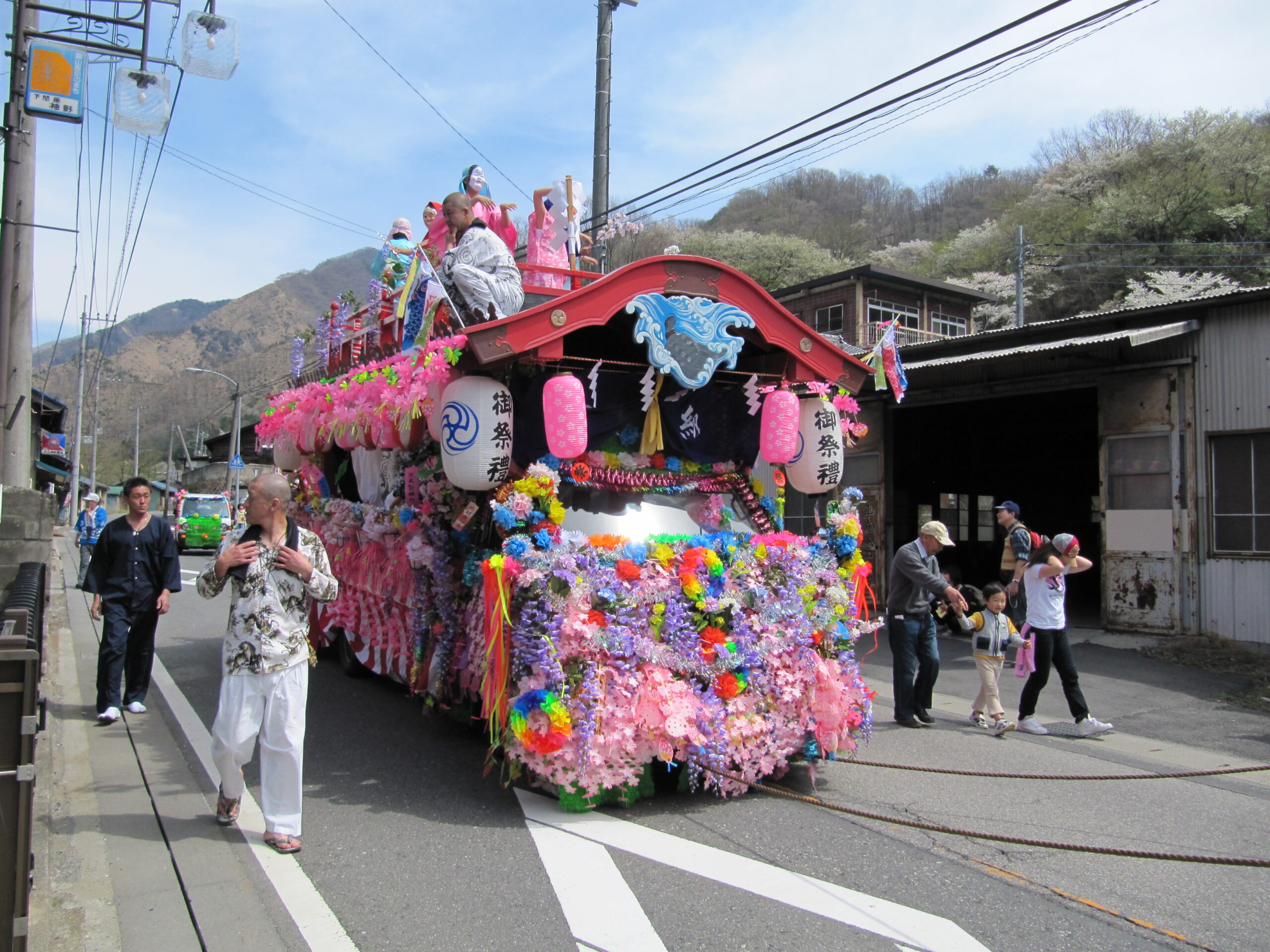
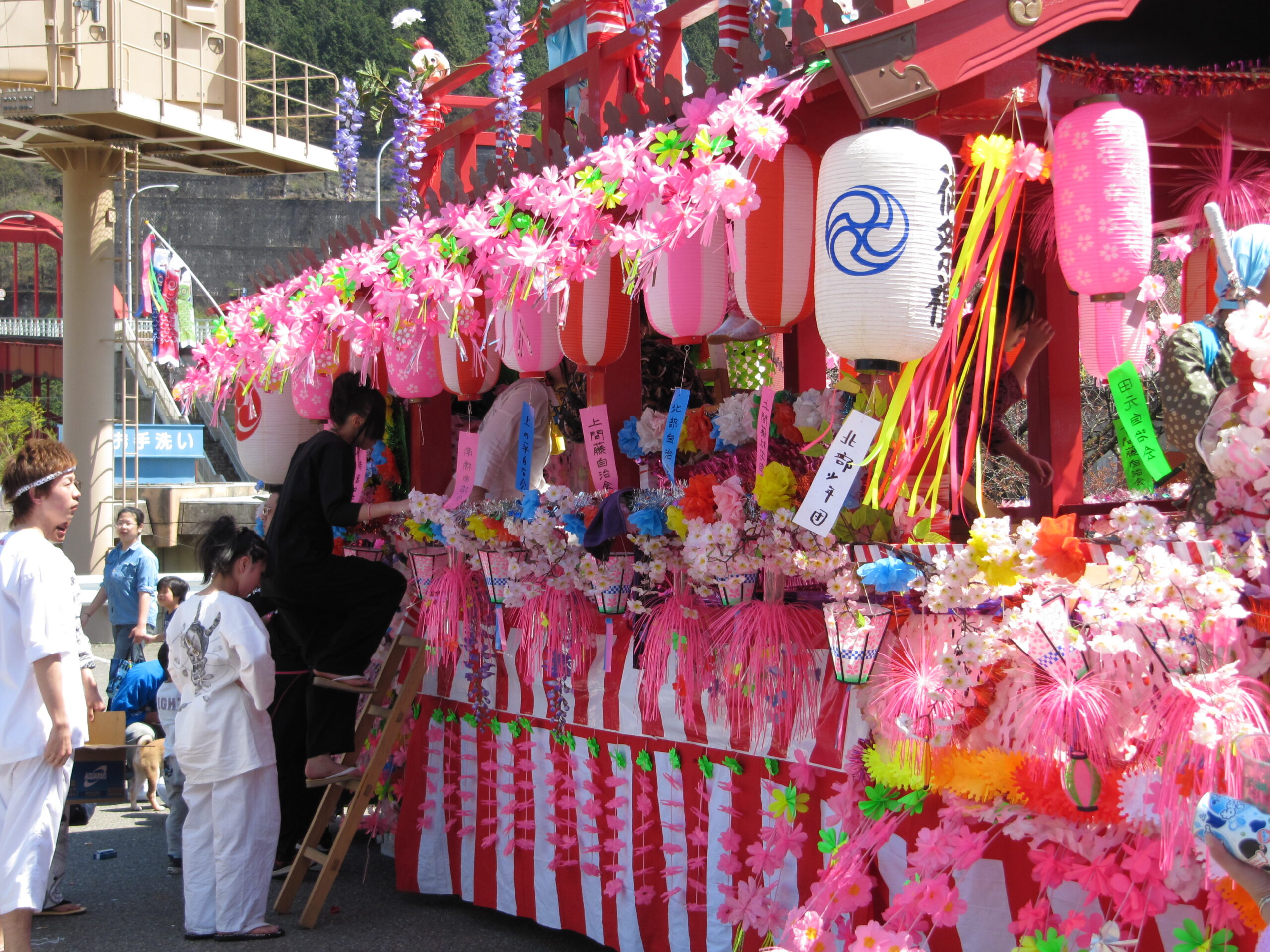
The quiet streets suddenly filled with colorful portable shrines, traditional music, and the energetic voices of children.
In that moment, Ashio no longer felt like a town of the past.
It felt wonderfully alive.
A Quiet Farewell
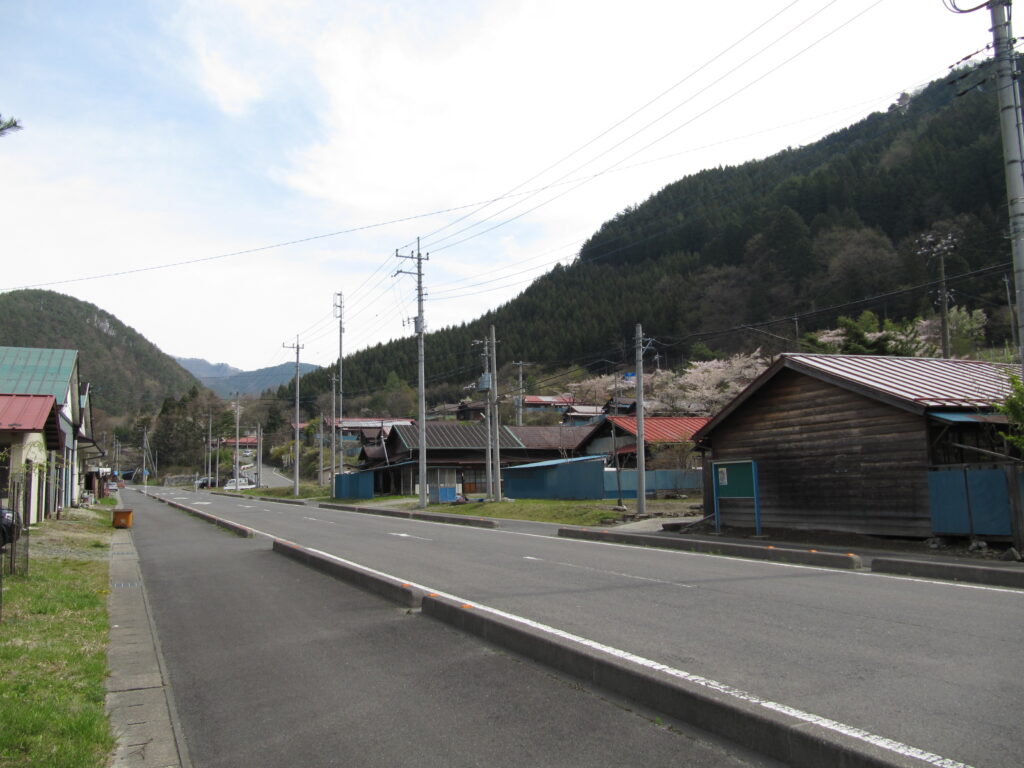
When the festival came to an end, silence gradually returned to the town.
The nostalgic streets that had once been filled with people became quiet once again.
Yet for the children growing up here today, this is not a place frozen in history.
It is simply home.
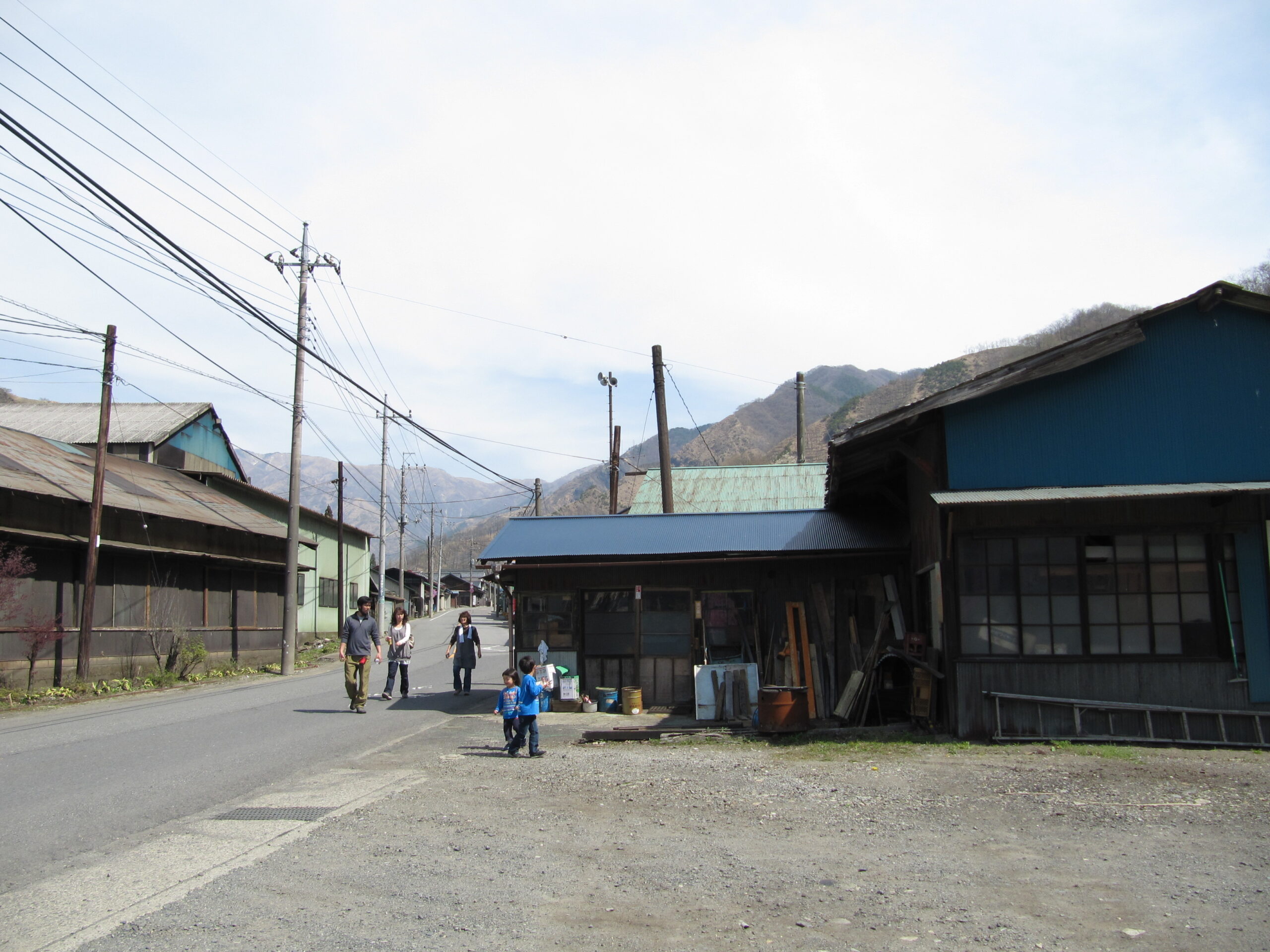
Ashio is often remembered for its past.
But what stayed with me was something far quieter.
Here, the past, the present, and the future seem to exist together.
That is what made this journey unlike any other.
Archive Information
| Location | Ashio, Tochigi, Japan |
| Photographed | 2010 |
| Collection | 66 photographs |
| Published | 2026 |
| Series | PATHS OF JAPAN Vol.7 |
Related Collection
Paths of Japan Vol.7
ASHIO – A Journey Through Time 2010
Explore the complete photographic archive of Ashio.