A photographic record of
Tokyo’s legendary market
before the move.
Introduction
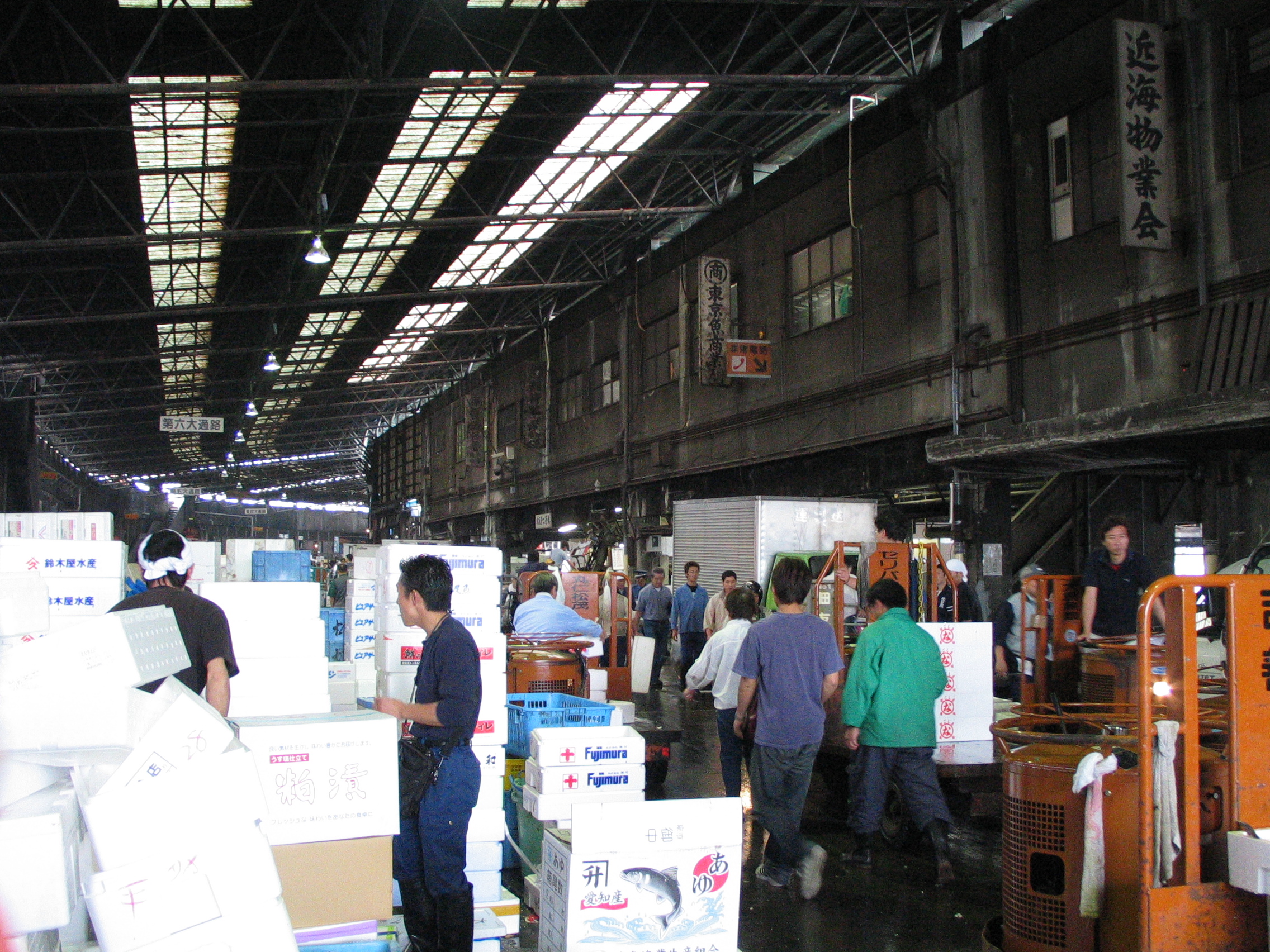
Tsukiji Market was far more than a fish market.
Its story began with the Nihonbashi Fish Market, where seafood from Tokyo Bay—once known as Edo-mae—had supplied the people of Edo for centuries.
After the Great Kanto Earthquake of 1923 destroyed the original market, a new public wholesale market was built in Tsukiji.
In 1935, Tsukiji Market officially opened and soon became known as "Japan's Kitchen."
For more than eighty years, it was not only the country's largest seafood market but also a place that supported Japanese food culture, especially Edomae sushi, and connected producers, wholesalers, chefs, and consumers throughout Japan.
This collection documents the market during its final years at its original location—when it was still an ordinary part of everyday Tokyo.
Why I Photographed Tsukiji
The Tokyo Metropolitan Government announced plans to relocate Tsukiji Market to Toyosu in 2001.
When I first began photographing the market in 2004, however, the move still felt like something far in the future.
The people working there were not thinking about what would happen ten years later.
They were thinking about today's fish.
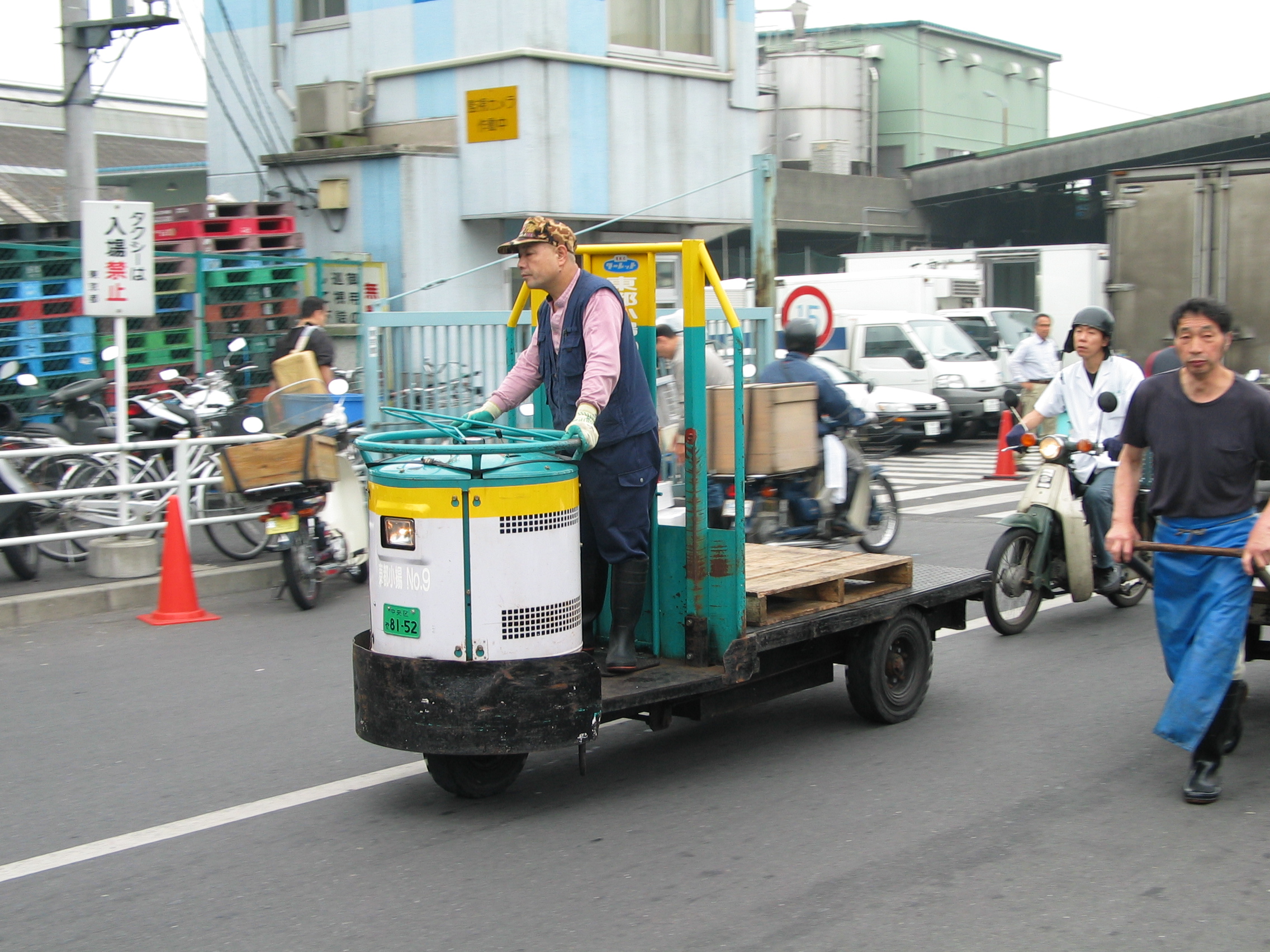
Outside the market, visitors enjoyed sushi and seafood bowls while the small market vehicles rushed past them without slowing down.
It all felt like a scene that would continue forever.
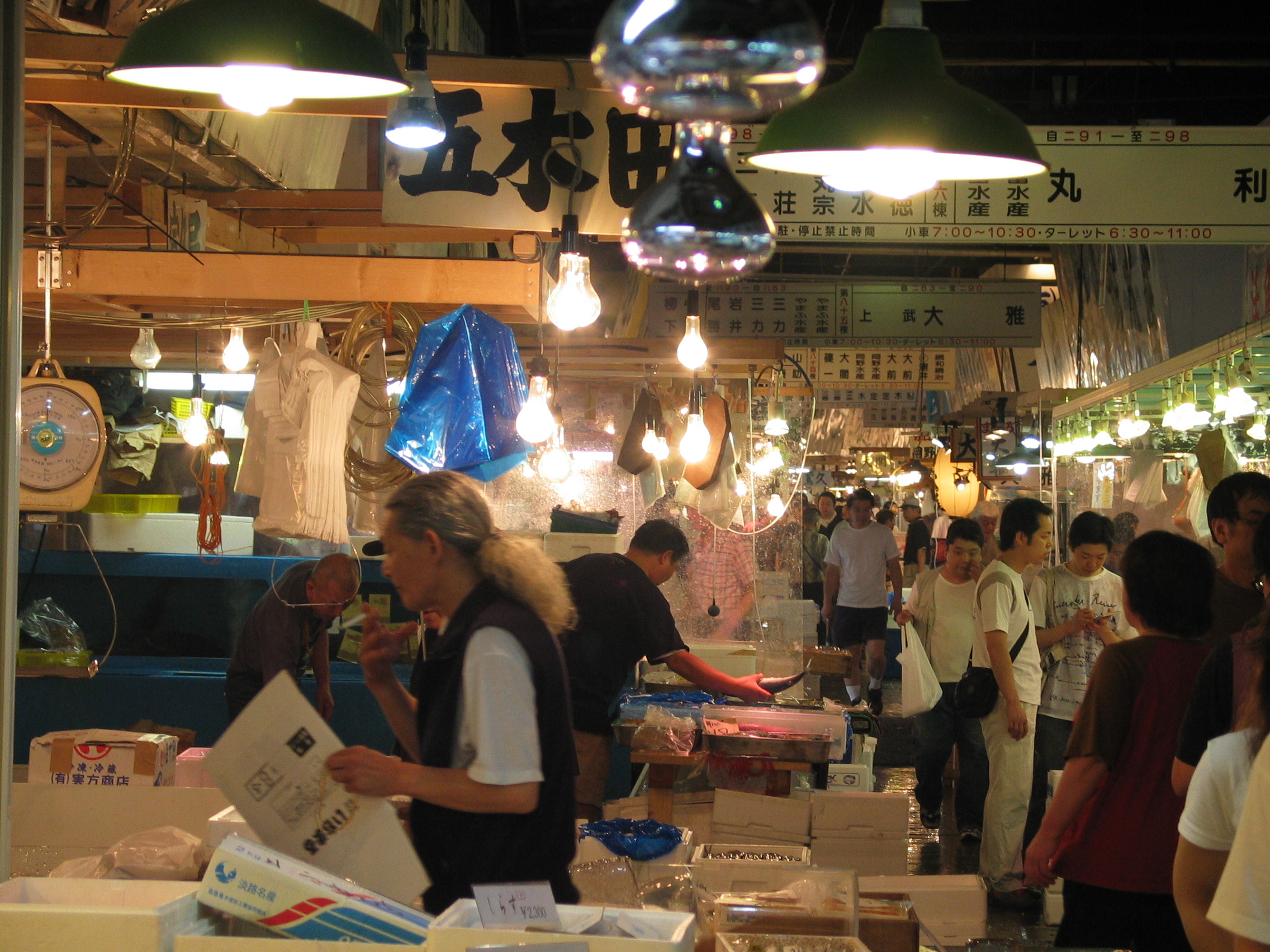
The lively streets of the Outer Market.
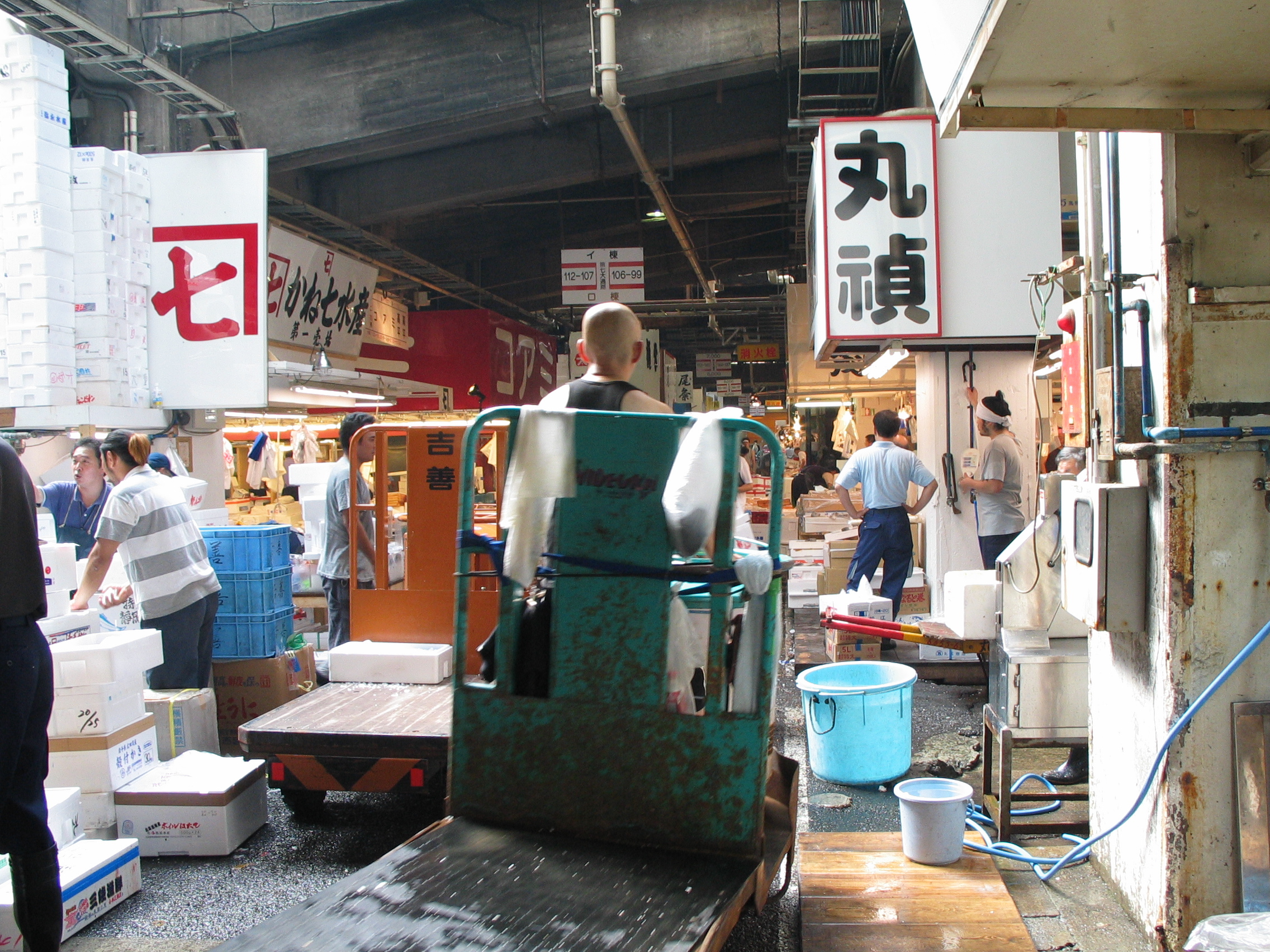
The intense atmosphere inside the wholesale market.
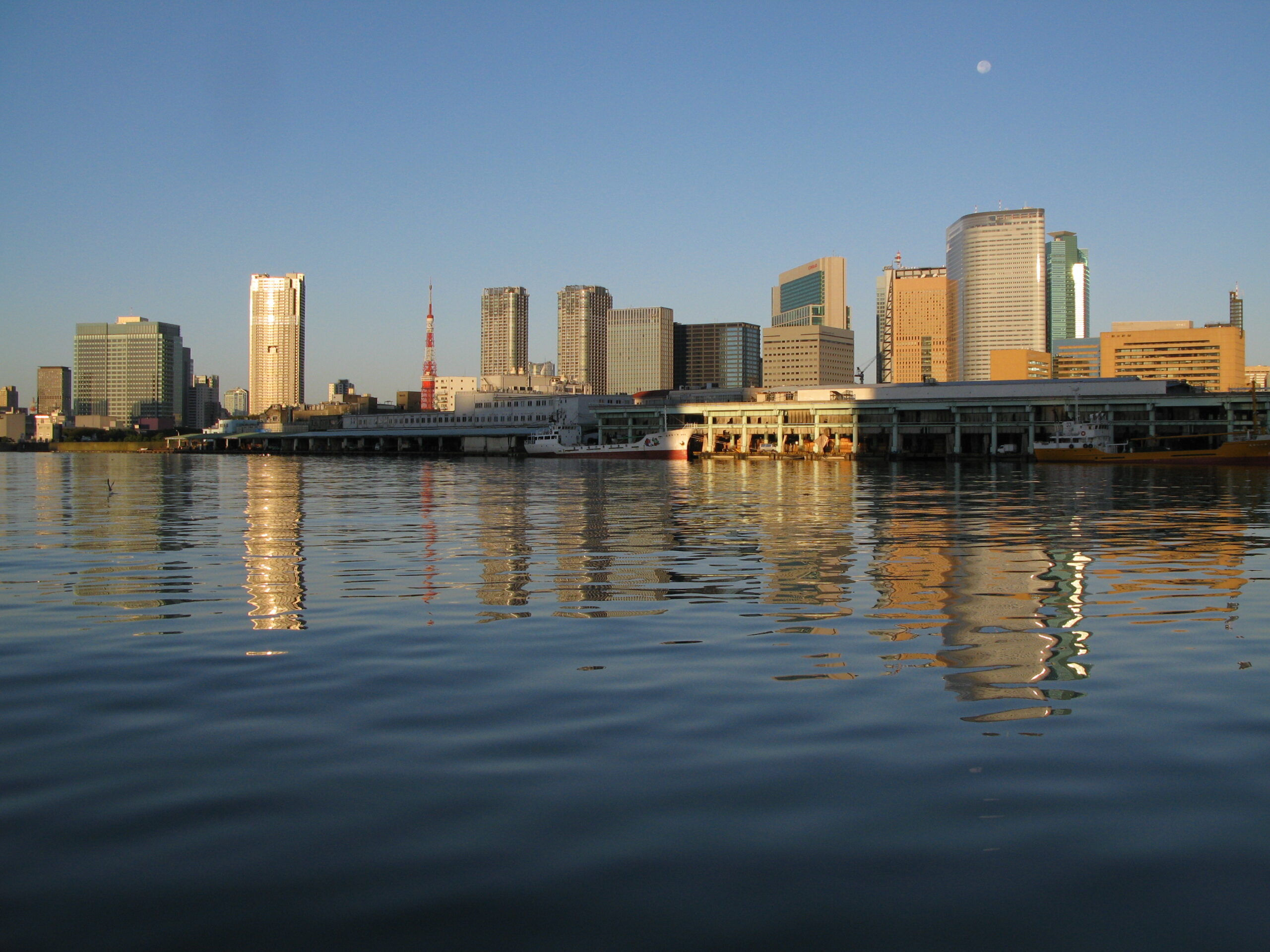
Just a short walk away, the quiet canals reflected the orange glow of the morning sun against Tokyo's growing skyline.
Tsukiji revealed many different faces within a surprisingly small area, and every visit offered something new to discover.
At the time, I wasn't trying to create a historical record.
I simply loved this place.
That is why I kept returning with my camera.
Inside the Market
The atmosphere inside the wholesale market was completely different from the relaxed streets outside.
This was not a tourist attraction.
It was a workplace where every minute mattered.
Fresh seafood had to be prepared, sold, and delivered before the day truly began.
Professional buyers from across Japan carefully inspected every catch while small market vehicles constantly moved through the narrow aisles.
"Watch out!"
Voices echoed through the market as people hurried past one another.
Yet even amid the urgency, there was a remarkable beauty in the movements of the workers.
Their speed, precision, and experience reflected years of dedication to their craft.
I tried to become almost invisible, quietly pressing the shutter without interrupting the rhythm of their work.
The Outer Market
Stepping back into the Outer Market felt like entering another world.
The urgency of the wholesale market disappeared, replaced by a slower and more welcoming atmosphere.
Fishmongers, kitchenware shops, dried food stores, and small restaurants lined the narrow streets.
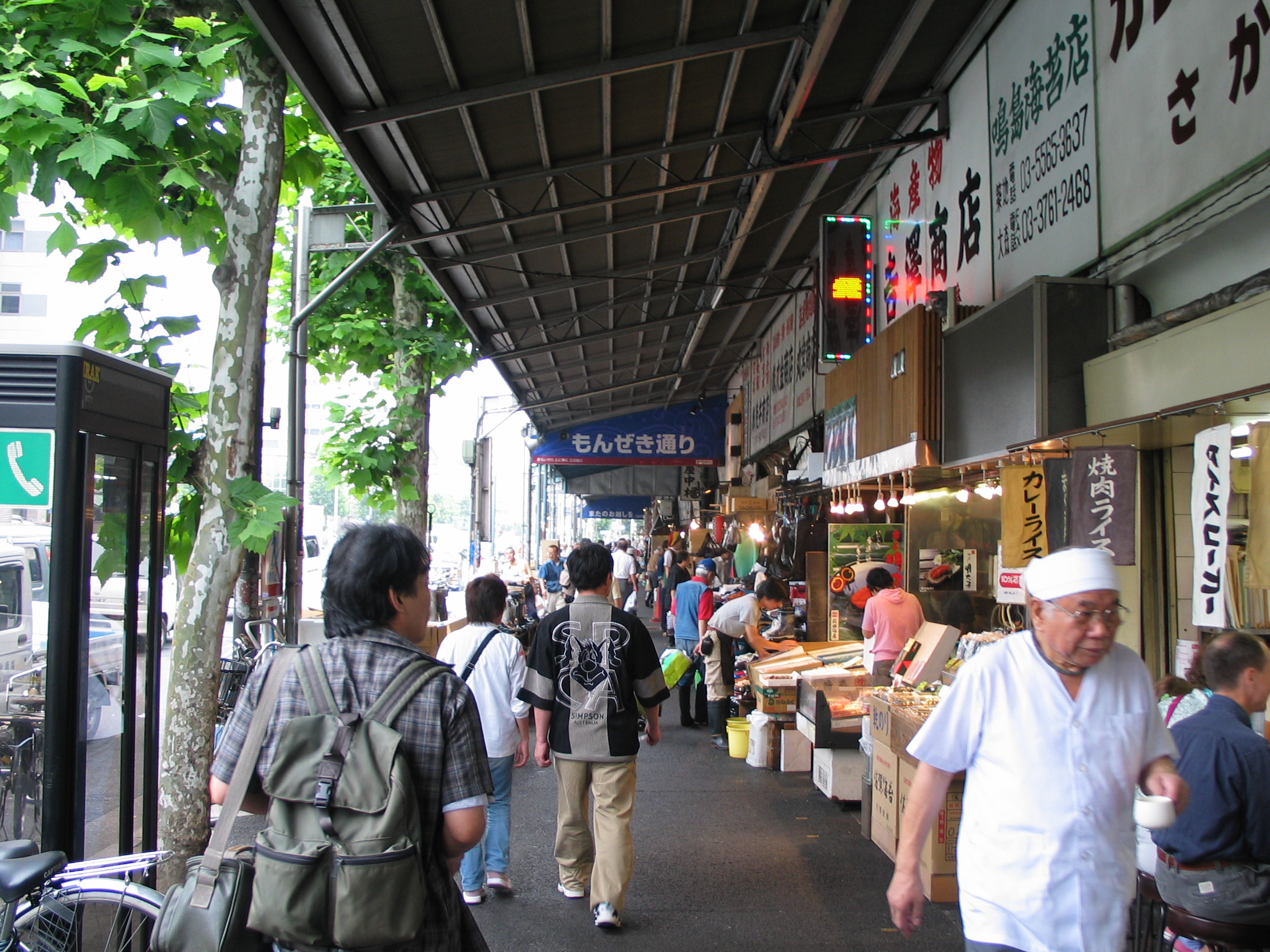
Market workers, local residents, and visitors all shared the same sidewalks, creating a neighborhood where everyday life and commerce naturally blended together.
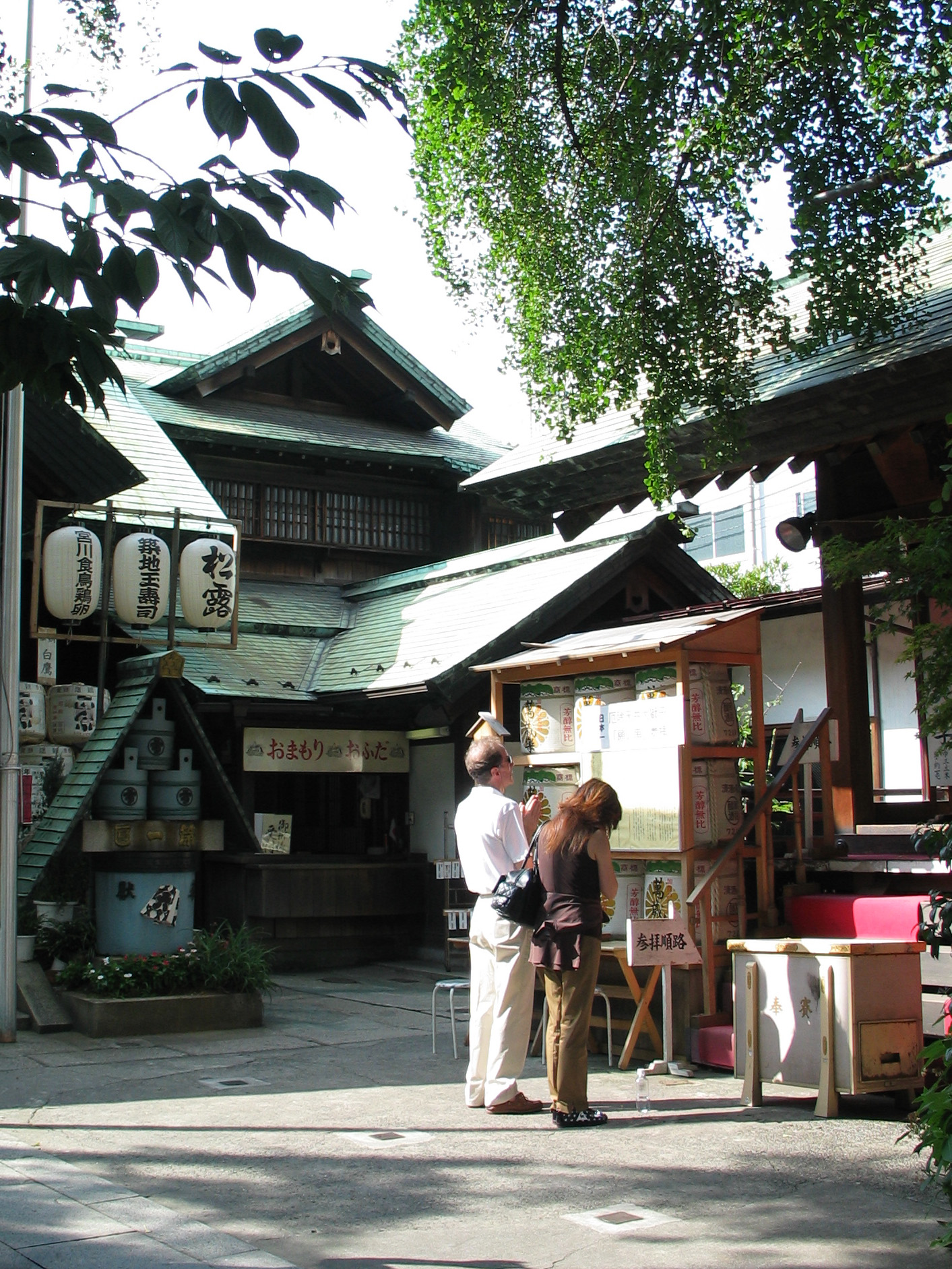
Turning into a quiet alley, I often found small shrines and traditional buildings that made it easy to forget I was standing in the center of Tokyo.
Tsukiji was not only a market.
It was a community where generations of daily life continued to unfold.
Beyond the Market
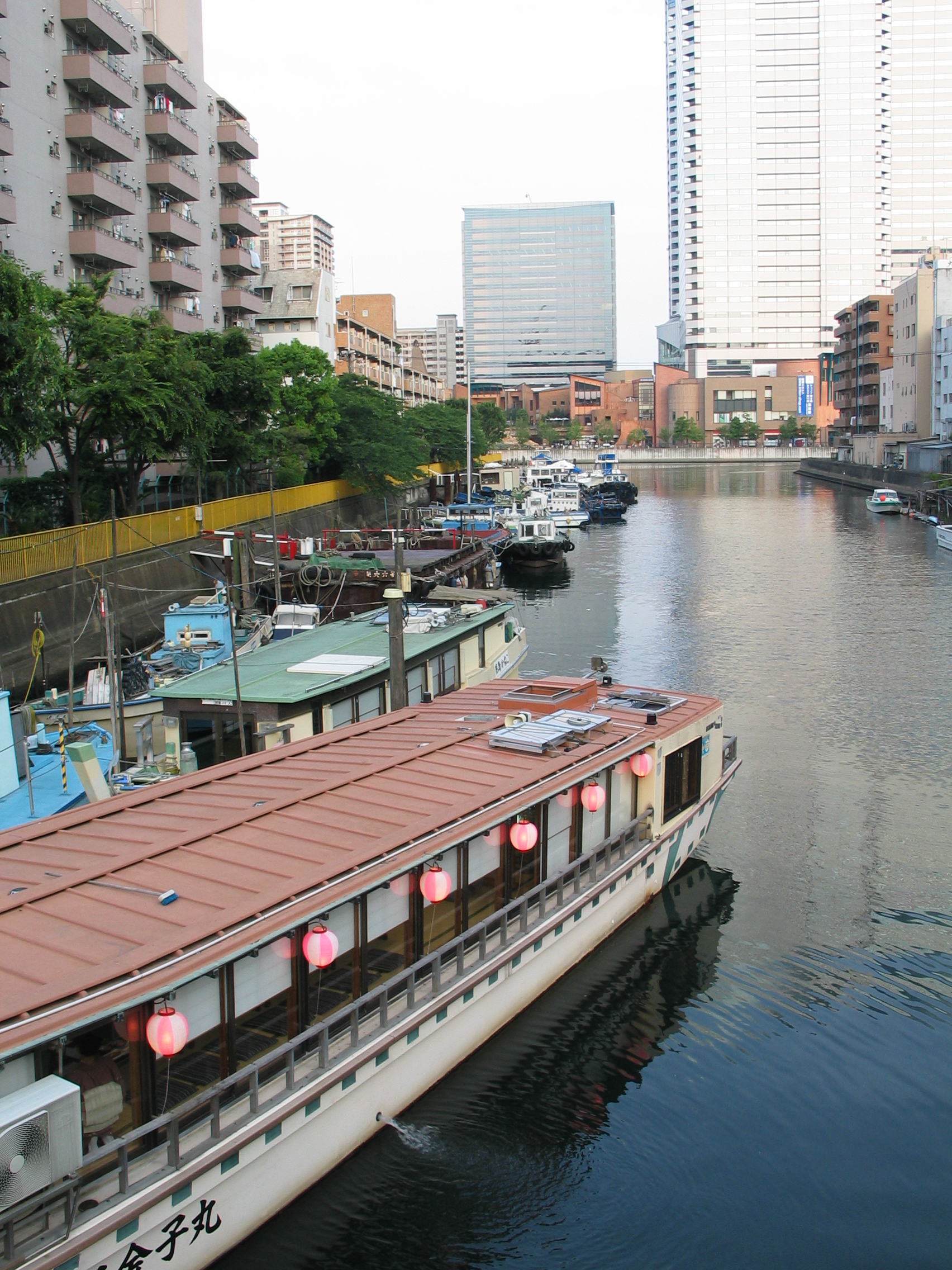
Crossing one of the nearby bridges revealed yet another side of Tsukiji.
Along the canals stood rows of modern high-rise apartments, symbols of Tokyo's rapidly changing waterfront.
At the same time, old bridges, quiet backstreets, and historic waterways remained almost untouched.
Old Tokyo and new Tokyo existed side by side.
At the time, I never really wondered how long these views would survive.
Looking back more than twenty years later, I realize that many of those landscapes have already disappeared or changed beyond recognition.
What Remains
When this collection was completed in 2026, Tsukiji Market no longer existed.
Redevelopment plans for the former market site are transforming the area into an entirely new district centered around a large stadium, offices, hotels, and commercial facilities.
Cities inevitably change.
That is part of their nature.
Photographs, however, preserve moments exactly as they once were.
When I took these photographs, I was simply recording places I enjoyed visiting.
More than twenty years later, those personal memories have become historical records.
That is why I created this collection.
Archive Information
| Location | Tsukiji, Tokyo |
| Photographed | 2004–2007 |
| Collection | 73 photographs |
| Published | 2026 |
| Series | PATHS OF JAPAN Vol.1 |
Related Collection
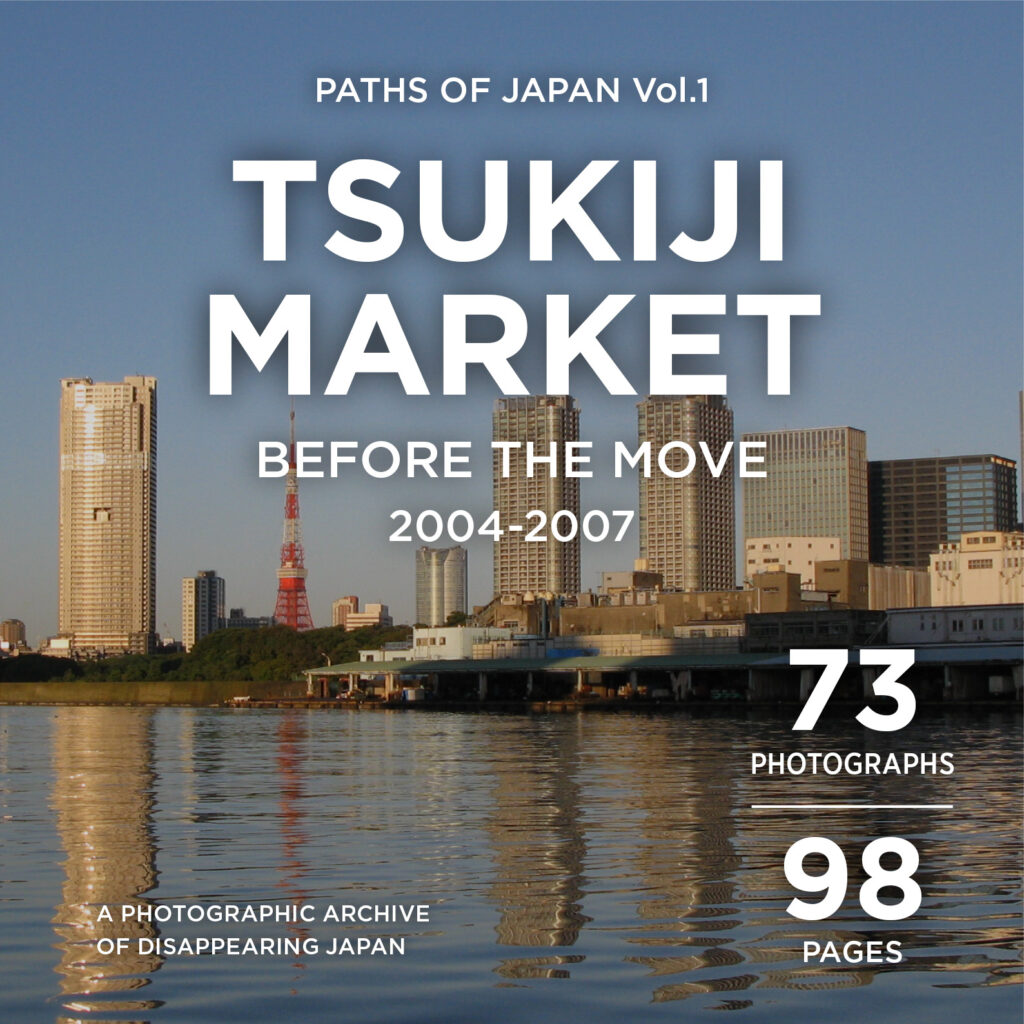
Paths of Japan Vol.1
TSUKIJI MARKET Before the Move
Discover the complete collection featuring 73 photographs captured between 2004 and 2007, documenting the final years of Tokyo's legendary market before its relocation.